As global temperatures rise, energy efficiency in home construction becomes crucial. Energy-efficient windows are a key solution. They not only reduce greenhouse gas emissions but also lower energy bills for homeowners. According to the U.S. Department of Energy, up to 30% of a home's heating and cooling energy can be lost through windows.
Experts emphasize the importance of making informed choices. "The most energy-efficient windows are those that meet strict performance criteria," notes Dr. Emily Parker, a renowned energy efficiency consultant. She highlights that understanding "what are the most energy efficient windows" requires looking at their insulation values, solar heat gains, and durability.
While many new products claim energy efficiency, not all meet high standards. Buyers should scrutinize energy performance labels and certifications. Selecting the right windows can greatly enhance a home’s sustainability. However, not everyone is aware of the variety and technology available. This gap in knowledge often leads to missed opportunities for savings and environmental benefits.
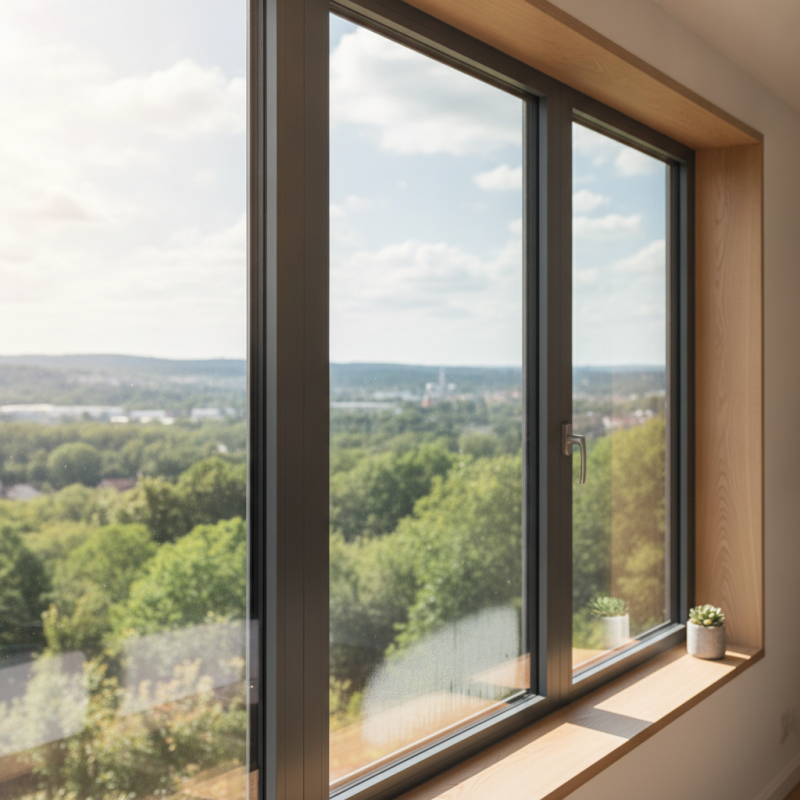
Overview of Energy Efficient Windows: Key Features and Benefits
Energy efficient windows are becoming essential for modern homes. They provide benefits that extend beyond energy savings. One of the key features is their multi-layered glass design. This design reduces heat transfer effectively, keeping homes warmer in winter and cooler in summer. Additionally, these windows often include advanced framing materials that enhance durability while minimizing thermal bridging.
Another essential element is low-emissivity (low-E) coatings. These coatings reflect heat back into the room during colder months, improving comfort. Proper installation is also crucial. A poorly installed window can compromise energy efficiency, leading to drafts. Homeowners must ensure that their windows fit snugly within the frame. Checking for gaps is vital. Sealing these gaps can boost efficiency significantly.
Many buyers overlook noise reduction. Energy efficient windows often double as sound barriers. They can minimize outside noise, creating a quieter indoor environment. However, not all energy efficient windows are the same. Buyers need to research their options thoroughly. Comparing insulation values and energy ratings is important. This can help in making an informed decision for their home. Each choice must reflect personal needs and local climate challenges.
Top Energy Efficient Window Materials: Glass Types and Frames
When considering energy-efficient windows, materials play a crucial role. The frame and glass types significantly impact the window's performance. Common frame materials include vinyl, wood, and aluminum. Each has unique features, offering different levels of insulation and durability. Vinyl frames are popular for their low maintenance and energy-saving properties. However, they can lack the aesthetic appeal of wood, which is not only beautiful but also effective in insulation.
Glass type is equally important. Double or triple glazing reduces heat transfer, keeping homes warmer in winter. Low-emissivity (low-E) coatings enhance energy efficiency by reflecting heat. On the downside, more complex glass assembly can increase costs. Homeowners may find it challenging to balance budget and effectiveness.
Tips: Always consider the climate in your area when selecting materials. Test different combinations to find the best match. Balancing aesthetics and functionality is key. Remember, achieving perfect energy efficiency often requires trade-offs. Keep this in mind as you compare options. Making informed choices can lead to a more sustainable and comfortable living space.
2026 Best Energy Efficient Windows for Global Buyers
Comparative Analysis of Leading Brands in Energy Efficient Windows
When considering energy-efficient windows, it’s crucial to analyze various leading brands without focusing on specific names. Many homeowners face difficulties in selecting the right product. Differences often lie in insulation performance, durability, and overall design. Some brands excel in thermal resistance, while others focus on aesthetic appeal. It’s essential to weigh these factors based on personal needs.
A comparative analysis reveals inconsistencies across the market. Some brands claim high energy savings, but user reviews may tell a different story. Real-world performance can vary significantly. It’s important to look at independent ratings and customer feedback. Pay attention to warranties and installation services offered. These elements can make a huge difference.
Moreover, prospective buyers need to reflect on their priorities. Is energy savings the utmost concern, or is style just as important? Some may choose to compromise on one aspect for another. Understanding these trade-offs can help navigate options more effectively. Always remember that what works for one homeowner may not work for another.
Installation and Maintenance Tips for Optimal Energy Efficiency
When considering energy-efficient windows, proper installation is crucial. A well-installed window can significantly reduce energy loss. Ensure the frame is aligned correctly. Gaps in installation lead to drafts and higher heating costs. Always follow the manufacturer's guidelines for fitting. It might seem tedious, but even minor misalignments can affect performance.
Maintenance is another key aspect. Regularly check for air leaks or condensation. These can indicate wear or improper sealing. Cleaning the window surface helps maintain clarity and insulation properties. Use mild soap and water, avoiding harsh chemicals. Be mindful of the window’s hardware, too. Lubricate hinges and locks periodically to ensure they operate smoothly.
Pay attention to changing weather conditions. Seasonal shifts can stress window seals. If you notice issues, it’s worth assessing the installation quality again. Reflecting on these maintenance tips can be beneficial. They help maximize the energy efficiency of your windows over time. Take time to evaluate your windows periodically. This proactive approach will yield long-term benefits.
2026 Best Energy Efficient Windows for Global Buyers
| Window Type |
Energy Efficiency Rating (U-Value) |
Material |
Average Cost (per square foot) |
Maintenance Tips |
| Double Glazed |
0.30 |
Vinyl |
$15 |
Clean with mild soap and water; inspect seals annually. |
| Triple Glazed |
0.20 |
Fiberglass |
$25 |
Regular cleaning, check for condensation between panes. |
| Low-E Coated |
0.25 |
Aluminum |
$20 |
Avoid abrasive cleaners; keep frames free of debris. |
| Gas-Filled |
0.15 |
Wood |
$30 |
Check for drafts, re-seal every few years. |
| Composite |
0.22 |
Composite |
$22 |
Use non-toxic cleaners; maintain finishes. |
Global Certification Standards for Energy Efficient Windows
Global certification standards for energy-efficient windows play a vital role in determining the effectiveness of different products in the market. Buyers look for certifications to ensure their investments yield energy savings. Many regions have adopted guidelines that set thresholds for insulation, air leakage, and solar heat gain. These standards help home and building owners make informed decisions.
In the United States, the Energy Star certification is widely recognized. Compliance involves rigorous testing under controlled conditions. While it emphasizes efficiency, not all windows meet these criteria. Buyers need to carefully verify the ratings. Understanding local certifications is crucial as requirements vary across regions. Some standards may seem too stringent, hindering innovation. They often spark debates about practicality versus efficiency.
The European Union has its standards, focusing on sustainability and overall lifecycle impact. These regulations address not only energy savings but also material usage. One challenge is balancing cost with performance standards. Premium materials may result in better efficiency but can come with a higher price tag. Buyers should consider long-term benefits, rather than initial costs. Examining these certifications helps in selecting windows that are truly energy efficient, but also requires critical thinking about their needs and sustainability.
Conclusion
In the pursuit of sustainability, energy-efficient windows play a crucial role in reducing energy consumption and enhancing home comfort. This article examines what are the most energy efficient windows by highlighting their key features—such as superior insulation and UV protection—and the benefits they offer, including lower utility bills and improved indoor climate.
Additionally, it explores various materials used in energy-efficient windows, focusing on different glass types and frame constructions. A comparative analysis of leading brands sheds light on performance metrics and innovations, while offering installation and maintenance tips ensures optimal energy efficiency for homeowners. Lastly, understanding global certification standards provides valuable insight into the quality and performance benchmarks of energy-efficient windows available in the market today.

 Wright Windows