Choosing among China’s top ten window materials requires more than comparing prices or showroom samples. A frame that feels solid in a factory may perform poorly beside a windy, sun-exposed wall. Climate, orientation, glass selection, installation quality, maintenance, and thermal performance all change the result. This guide introduces how to compare different window materials through practical building evidence, not attractive brochures alone.
Building scientist Joseph Lstiburek often says, “Windows are holes in walls.” The phrase sounds simple, but it carries serious technical meaning. Every window interrupts insulation, air control, water resistance, and structural continuity. Aluminum, thermal-break aluminum, uPVC, wood, fiberglass, composite, steel, and clad systems each manage these risks differently. Their performance also depends on profile design, reinforcement, seals, drainage paths, and manufacturing tolerances.
A useful comparison should examine U-value, solar heat gain, air leakage, water resistance, service life, repairability, and embodied impact. Touch the frame on a cold morning. Inspect corner joints and drainage openings. Ask how replacement parts are supplied after ten years. No ranking is perfect. That matters. A low-cost material may suit a protected apartment balcony, while a higher-priced system may better serve a coastal home or energy-efficient project. The best choice is not universally “strongest” or “cheapest.” It is the material that fits the building’s exposure, budget, maintenance capacity, and long-term performance goals. Mistakes remain possible, especially when installation receives less attention than the frame itself.
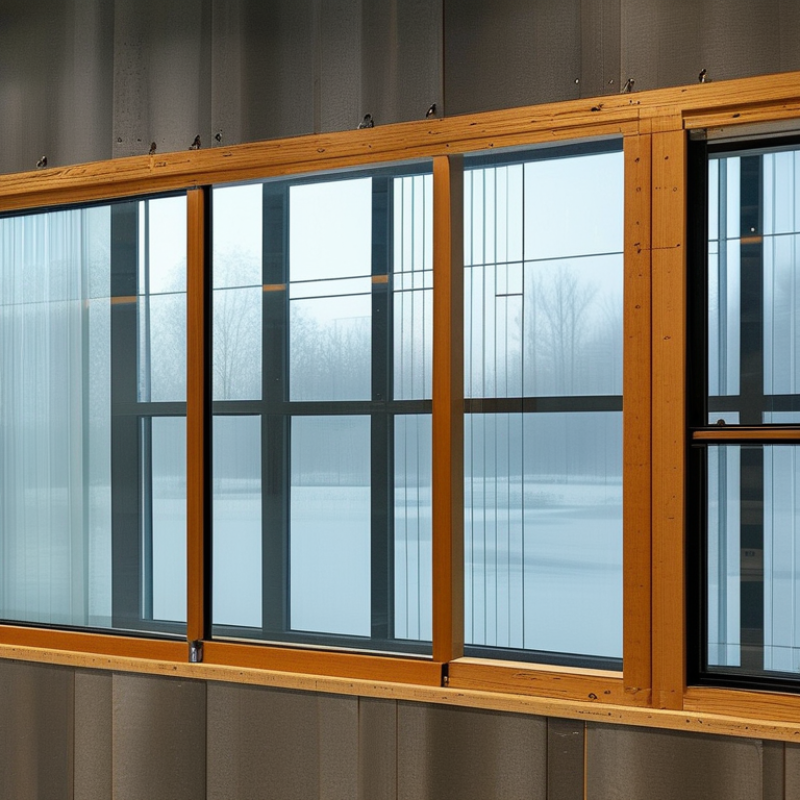
China’s window market offers ten practical material choices: aluminum, thermally broken aluminum, uPVC, steel, stainless steel, timber, aluminum-clad timber, fiberglass, FRP, and wood-plastic composite. Each serves a different building condition. Aluminum suits large openings and humid cities. Thermal breaks improve insulation, but they do not replace proper sealing. uPVC reduces heat transfer and cost, although color stability and hardware quality require inspection. Steel provides slim frames and high strength. Stainless steel resists corrosion, but its price is higher.
Timber brings warmth and good insulation, while aluminum-clad timber adds exterior protection. Fiberglass and FRP remain dimensionally stable through temperature changes.
Wood-plastic composite needs careful testing because formulations vary widely. Bamboo-based frames can reduce material weight, yet long-term weathering evidence is still limited.
A simple ranking would be misleading. Window performance depends on frame, glass, spacer, gasket, and installation.
The UNEP 2023 Global Status Report states that buildings account for about 34% of global energy demand. The U.S. Department of Energy also estimates that windows can cause 25%–30% of residential heating and cooling energy use.
These figures make thermal performance more important than appearance alone. For Chinese projects, compare U-values, air leakage, water tightness, solar heat gain, recycled content, and local repair access. ISO 10077-1 supports thermal-transmittance calculations, but factory data still needs independent verification. Field measurements often reveal gaps that brochures hide. That is the uncomfortable part.
China Top 10 Window Materials: How to Compare Them?
Window materials differ through their frame structure, surface behavior, thermal resistance, and suitable applications. Solid wood has natural insulation and a warm appearance, but it needs careful sealing against moisture. Aluminum frames are light, strong, and slim, although untreated metal transfers heat quickly. Thermal breaks improve this weakness. uPVC offers low maintenance and good insulation, while fiberglass resists expansion and contraction in changing temperatures. Steel provides exceptional strength for large openings, but it requires reliable corrosion protection.
Other options serve more specific needs. Composite frames combine materials such as resin and wood fibers, creating a balance between stiffness and insulation. Wood-clad aluminum places wood indoors and protective metal outdoors, making it suitable for demanding façades. Wood-clad fiberglass follows a similar structure but usually reduces thermal movement. Stainless steel handles humid or coastal conditions well, though its cost and weight can limit residential use. Recycled plastic frames may reduce material waste, but their long-term stiffness depends heavily on formulation and reinforcement.
The best comparison starts with the whole window, not the frame alone. Check the frame, sash, glazing pocket, seals, and drainage path. A strong material can still perform poorly with weak joints. For a cold region, frame insulation and low-emissivity glazing matter greatly. For a hot, sunny site, solar control and surface durability deserve equal attention. In practice, specifications can look perfect on paper. Installation remains the uncertain part. Even a carefully selected window may leak air when the opening is poorly prepared.
China Top 10 Window Materials: How to Compare Them?
When comparing window materials, start with thermal insulation, not appearance. A material’s frame conducts heat differently, while glazing often controls the final result. Wood, fiberglass, and composite frames usually resist heat transfer well. uPVC also performs efficiently in many residential projects. Aluminum is strong, but its high conductivity requires a thermal break. Steel offers excellent strength, yet insulation can be weaker without careful design.
Soundproofing depends on more than the frame. It depends on the glass. Thick laminated glass can reduce traffic noise near busy roads. Different glass thicknesses usually perform better than matching panes. Tight seals matter too. A small installation gap can create a noticeable acoustic leak. In my project reviews, poorly fitted windows often underperform, even when their laboratory ratings look impressive. This is easy to overlook.
Strength affects size, safety, and long-term alignment. Aluminum and steel support large openings well. Fiberglass resists warping during temperature changes. Wood feels warm and repairs easily, but it needs regular coating in wet climates. uPVC resists moisture, though quality varies between profiles. Composite materials balance several properties, but their construction should be verified. Ask for tested U-values, sound ratings, air leakage results, and corrosion data. Do not compare material names alone. Compare complete window systems, including glass, spacers, hardware, seals, and installation. No material wins everywhere. My own judgment can change after seeing a coastal site, a cold warehouse, or a noisy apartment.
Typical comparison of thermal insulation, soundproofing, strength, and durability for commonly used window-frame materials.
The scores use a typical comparative index from 1 to 10, where a higher score indicates better expected performance. Fiberglass, wood-aluminum composite, and thermally improved frame systems generally provide a strong balance of insulation and durability. Actual window performance also depends on glazing type, cavity gas, weather seals, thermal breaks, fabrication quality, and installation.
China’s top ten window materials include uPVC, aluminum, thermally broken aluminum, wood, fiberglass, steel, wood-aluminum composites, bamboo, recycled plastic, and composite resin. Compare more than purchase price. The U.S. Department of Energy states that windows can cause 25–30% of household heating and cooling energy use. A poorly sealed frame can therefore erase the benefit of expensive glazing. Thermally broken aluminum offers strength and slim sightlines, while uPVC usually reduces upfront cost and routine painting. Wood feels warm but needs regular coating, especially around wet sills.
Maintenance changes the calculation. Aluminum resists rot, but exposed finishes can scratch or corrode near coastal air. Fiberglass needs less attention and remains dimensionally stable, although its manufacturing footprint deserves closer review. Wood requires inspection every few years. Steel is durable, yet thermal bridging can become severe without an effective barrier. Recycled plastic may lower virgin-material demand, but recycled content and end-of-life claims must be verified through an environmental product declaration.
Sustainability comparisons should use life-cycle evidence, not attractive claims. ISO 14040 provides the framework for life-cycle assessment, while EN 15804 supports construction-product environmental declarations. Check declared service life, repairability, recycled content, and factory energy sources. Manufacturing standards also matter: NFRC ratings report U-factor and solar heat gain, allowing fairer performance comparisons. Small installation gaps still undermine excellent laboratory results. That detail is easy to miss. Cost models should include cleaning, repainting, replacement hardware, and disposal. No material wins every test. In practice, regional climate, skilled installation, and honest documentation often matter more than the frame label.
China Top 10 Window Materials: How to Compare Them?
Selecting the right window material depends on the building and climate, not only price. The U.S. Department of Energy reports that windows can cause 25–30% of residential heating and cooling energy use. In hot, humid cities, aluminum needs thermal breaks and low-emissivity glazing. Otherwise, indoor surfaces may feel hot beside the frame. uPVC and fiberglass usually provide stronger insulation. Timber offers warmth and repairability, but requires careful moisture protection. Steel suits slim industrial designs, though its thermal conductivity demands advanced detailing.
For apartments, schools, and offices, compare ten common options: aluminum, uPVC, timber, fiberglass, steel, wood-aluminum composite, reinforced plastic, bamboo, recycled polymer, and composite frames. Material choice should include U-value, solar heat gain coefficient, air leakage, fire performance, lifespan, and local maintenance skills. The International Energy Agency’s 2023 Global Status Report states that buildings consume about 30% of global final energy. Small envelope decisions matter. Still, a perfect material ranking can mislead. Installation gaps often weaken excellent products.
Tips: In northern China, prioritize low U-values and airtight installation. In southern coastal regions, check humidity resistance, drainage, and corrosion protection. For high-rise buildings, confirm wind-load and fire requirements with a qualified engineer. Ask suppliers for tested performance data, not only laboratory claims. I would also inspect nearby projects after several rainy seasons. Real weather reveals problems that brochures may hide.
| Rank | Window Material | Frame Thermal Conductivity (Approx. W/m·K) |
Typical Whole-Window U-Factor with Low-E Double Glazing (W/m²·K) |
Relative Cost (1 = Lowest) |
Expected Service Life with Proper Maintenance |
Best-Suited Buildings and Climates | Main Advantages | Limitations and Maintenance |
|---|---|---|---|---|---|---|---|---|
| 1 | uPVC / Vinyl | 0.14–0.20 | 1.2–1.8 | ★★ | 30–50 years | Residential buildings, apartments, and offices in cold, temperate, humid, and coastal regions. | Low thermal conductivity, good air tightness, low maintenance, resistance to moisture and corrosion, and generally competitive pricing. | Can expand and contract in strong temperature changes; lower stiffness than metal; color fading and frame distortion may occur with prolonged intense UV exposure. |
| 2 | Thermally Broken Aluminum | Approximately 160–205 | 1.4–2.2 | ★★★ | 40–60 years | High-rise buildings, commercial façades, modern homes, hot climates, and projects requiring large openings. | High strength-to-weight ratio, slim sightlines, excellent dimensional stability, strong resistance to termites and moisture, and high recyclability. | Aluminum conducts heat rapidly; thermal breaks and suitable low-E glazing are essential. Surface coatings should be inspected in harsh coastal or industrial environments. |
| 3 | Engineered Wood | 0.12–0.20 | 1.1–1.8 | ★★★ | 40–80 years | Villas, heritage-style buildings, low-rise residences, and cold or temperate climates with controlled humidity. | Naturally low thermal conductivity, attractive appearance, good acoustic performance, and lower movement than many solid-wood sections. | Requires durable paint, stain, or protective coating; vulnerable to persistent moisture, fungal decay, and insects if detailing and drainage are poor. |
| 4 | Fiberglass-Reinforced Polymer (FRP) | 0.30–0.40 | 1.1–1.7 | ★★★★ | 40–60 years | Cold regions, areas with large seasonal temperature changes, energy-efficient homes, and demanding commercial projects. | Low expansion compared with aluminum and vinyl, strong structural performance, good moisture resistance, and low maintenance. | Usually costs more than standard uPVC; color and surface finish choices may be more limited, and repairs often require specialized components. |
| 5 | Wood-Aluminum Clad | Wood: 0.12–0.20; Aluminum cladding: approx. 160–205 |
1.0–1.7 | ★★★★★ | 40–80 years | Premium residences, hotels, cold climates, and buildings needing an interior wood finish with enhanced exterior protection. | Combines the insulation and appearance of wood indoors with aluminum weather protection outdoors; good resistance to rain, sunlight, and surface wear. | High initial cost and heavier construction; drainage, cladding joints, seals, and interior wood finishes still require periodic inspection. |
| 6 | Steel | Approximately 45–60 | 1.8–3.0 | ★★★ | 40–75 years | Industrial buildings, heritage renovations, fire-sensitive applications, and projects requiring very slim, strong frames. | Exceptional strength, narrow profiles, high impact resistance, and strong fire performance when correctly specified. | High heat transfer without thermal breaks; exposed steel can corrode if coatings fail. Regular inspection of paint, galvanizing, welds, and seals is important. |
| 7 | Wood-Plastic Composite (WPC) | Approximately 0.20–0.45 | 1.2–1.9 | ★★★ | 30–50 years | Residential and light-commercial buildings in humid or temperate climates where low maintenance is preferred. | Good moisture resistance, lower maintenance than traditional exterior wood, moderate insulation, and the ability to incorporate wood fibers or recycled polymers. | Performance depends strongly on formulation and reinforcement; prolonged heat and sunlight can cause expansion, fading, or surface aging. |
| 8 | Bamboo Laminated | Approximately 0.15–0.30 | 1.3–2.0 | ★★★ | 25–50 years | Sustainable residential projects, low-rise buildings, and warm or temperate climates with effective moisture protection. | Renewable material, attractive natural grain, relatively low thermal conductivity, and good strength when properly laminated and sealed. | Quality varies with adhesive, treatment, and manufacturing; it requires protection from water ingress, insects, fungal decay, and ultraviolet exposure. |
| 9 | Stainless Steel | Approximately 14–16 | 1.7–2.8 | ★★★★★ | 50–75 years | Coastal buildings, healthcare facilities, laboratories, transport infrastructure, and projects requiring high corrosion resistance. | Excellent corrosion resistance, high strength, long service life, and strong resistance to moisture, cleaning chemicals, and impact. | More expensive and thermally conductive than insulated polymer or wood frames; thermal breaks and careful detailing remain necessary. |
| 10 | Recycled Plastic Composite | Approximately 0.15–0.35 | 1.2–1.9 | ★★★ | 30–50 years | Standard residential buildings, renovation projects, humid climates, and developments emphasizing recycled content. | Moisture and corrosion resistance, low routine maintenance, reduced dependence on virgin materials, and good thermal performance. | Mechanical strength, thermal expansion, appearance, and recyclability vary by polymer mix; end-of-life recycling may require dedicated facilities. |
: Wood, fiberglass, composite, and uPVC frames generally resist heat transfer well. Glazing still matters greatly. Low-emissivity glass can improve overall insulation, especially in cold regions.
Aluminum is strong and lightweight, but untreated metal transfers heat quickly. A thermal break reduces this pathway through the frame. Without one, indoor surfaces may feel cold during winter.
Aluminum and steel support large openings because they offer high structural strength. Thermally broken aluminum may provide a better balance between strength and insulation. Steel needs dependable corrosion protection.
uPVC, fiberglass, and aluminum usually need less routine maintenance than wood. Wood may require coating inspections every few years. Wet sills deserve close attention.
Glass, seals, and installation often matter more than the frame material. Laminated glass can reduce traffic noise near busy roads. Different pane thicknesses usually perform better than matching panes. Small gaps can still leak sound.
Stainless steel, fiberglass, uPVC, and properly protected aluminum can suit humid conditions. Coastal air may damage exposed metal finishes. Corrosion data should be checked before selection.
Not necessarily. They may reduce demand for new plastic materials. Long-term stiffness depends on formulation and reinforcement. Verify recycled content, service life, repair options, and disposal information.
Compare the glass, spacers, seals, hardware, drainage path, and installation method. A strong frame can still perform poorly with weak joints. Laboratory results may not predict a badly prepared opening. This is easy to overlook.
China offers a wide range of window materials, including aluminum, uPVC, wood, aluminum-wood composites, fiberglass, steel, and other engineered options. This guide explains how to compare different window materials by examining their structure, thermal insulation, soundproofing, strength, weather resistance, service life, and suitability for different building types. Each material has distinct advantages, so the best choice depends on the project’s performance requirements, design goals, budget, and local climate.
The article also evaluates practical factors such as purchase cost, maintenance needs, sustainability, recyclability, manufacturing consistency, and quality standards. Materials suitable for cold regions may prioritize heat retention, while those used in hot, humid, coastal, or noisy environments may require stronger resistance to moisture, corrosion, and sound transmission. By comparing these factors together rather than focusing on price alone, homeowners, designers, and builders can select window materials that provide balanced performance, durability, comfort, and long-term value.

Wright Windows