As the demand for innovative home aesthetics grows, understanding "what are the latest window design trends" is essential. Renowned architect Liu Chen states, "Windows are the eyes of a home, reflecting both style and functionality." Today's designs blend beauty with efficiency, illustrating a shift in consumer preferences.
Larger and more open window concepts are gaining traction. Homeowners now embrace floor-to-ceiling designs that invite natural light. Energy efficiency is a major focus. Double-glazing with sustainable materials is becoming standard in new homes. The trend leans toward designs that complement the surrounding environment, promoting harmony.
Yet, with rising trends come challenges. Many homeowners struggle to balance bold designs with practical maintenance. As styles evolve, staying updated is crucial for those in the industry. Understanding these trends is not just about aesthetics; it’s about creating livable spaces that resonate with the current generation's values.
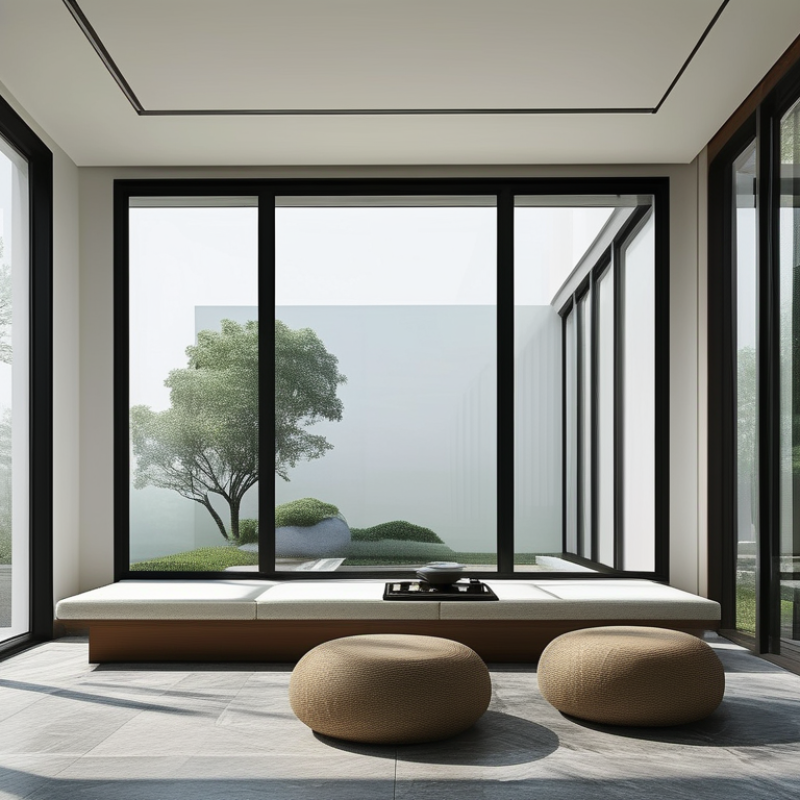
Emerging trends in window design in China reflect a blend of innovation and tradition. In urban areas, large glass windows are becoming increasingly popular. They promote natural light and create a sense of space. However, this trend can lead to energy efficiency issues. Many buildings now feature smart windows that automatically adjust tint based on sunlight. This technology is both practical and stylish.
Another trend focuses on eco-friendly materials. Architects and designers are exploring sustainable options like bamboo, reclaimed wood, and recycled metals. These materials not only reduce the carbon footprint but also add unique aesthetics. However, finding high-quality sustainable materials can be challenging.
Minimalist designs are gaining traction as well. Sleek frames and simple shapes define modern aesthetics. Yet, this simplicity can sometimes limit creative expression. Balancing functionality with artistic vision requires careful thought. Overall, the window design landscape in China continues to evolve, reflecting both contemporary needs and traditional values.
The trend towards sustainable materials in window design has gained significant momentum. Reports indicate that 62% of designers prioritize eco-friendly options. Natural materials like wood and recycled aluminum are becoming mainstream. These materials not only reduce environmental impact but also enhance aesthetic appeal. Consumers are increasingly drawn to designs that blend sustainability with visual charm.
Incorporating energy-efficient glazing is another essential aspect. Studies show that homes with double or triple glazing can lower energy consumption by up to 30%. This ensures better insulation and reduces heating costs. However, the challenge remains in balancing aesthetics with functionality. Many designs overlook the importance of durability, leading to potential replacements.
Moreover, sustainable practices extend to manufacturing processes. A survey found that 52% of industry professionals believe sustainable sourcing is crucial but often compromised for cost. It suggests a need for ongoing reflection on maintaining eco-friendly standards while remaining competitive. The design industry must evolve to place greater emphasis on sustainable innovation and responsible practices.
| Trend | Description | Material Used | Eco-Friendly Practice |
|---|---|---|---|
| Vinyl Windows | Durable, energy-efficient windows that require low maintenance. | Recyclable PVC | Reduced carbon footprint in manufacturing. |
| Smart Glass | Windows that can adjust their tint and transparency based on sunlight. | Advanced glass technologies | Energy savings through automation. |
| Bamboo Frames | Sustainable and lightweight window frames made from bamboo. | Bamboo | Sustainably sourced materials promoting reforestation. |
| Triple-Paned Glass | Increased insulation and energy efficiency for homes. | High-performance glass | Reduced energy consumption for heating and cooling. |
| Recycled Aluminum | Strong and durable window frames that minimize waste. | Recycled aluminum | Promotes recycling and reduces raw material usage. |
Innovative window technologies are redefining modern architecture. Large glass facades dominate urban landscapes. These advancements promote natural light while enhancing energy efficiency. An example is the use of triple-glazed windows. They offer superior insulation compared to standard models. This technology reduces heating costs significantly.
Smart windows are becoming popular too. These windows adapt to light conditions. They can change from clear to tinted, controlling heat and glare. This feature is especially useful in warmer climates. It offers comfort while reducing reliance on air conditioning. However, the initial cost can be high. This may lead homeowners to hesitate before upgrading.
Tips for choosing windows wisely: consider both function and aesthetics. Explore different materials and finishes that suit your building style. When evaluating energy efficiency, check for certifications. Not all high-tech solutions work seamlessly; some may require frequent maintenance. Always reflect on your long-term needs before making decisions.
Chinese window design is deeply influenced by cultural elements that reflect the nation’s rich heritage. Traditional aesthetics emphasize harmony and balance, often drawing inspiration from nature. According to the China National Interior Decoration Association, about 70% of homeowners prefer designs that incorporate natural light and landscaped views. This preference drives architects and designers to prioritize large window spaces.
Feng Shui principles also play a significant role. Windows are seen as conduits for energy. Designers often consider the orientation of windows to maximize positive energy flow. The 2022 Report on Chinese Interior Design Trends indicated that 60% of designers now incorporate Feng Shui into their projects. However, while these practices are popular, some argue that strict adherence can limit creative expression in window design.
Material choice is another reflection of cultural values. Many opt for sustainable materials, aligning with a growing awareness of environmental issues. For instance, a recent study showed that 55% of modern designs favor wood and eco-friendly glass. Still, this trend raises questions about the balance between aesthetics and environmental impact. The challenge is to innovate without compromising cultural significance or sustainability.
Energy efficiency is increasingly vital in contemporary window solutions. Modern windows must do more than let in light; they should also conserve energy. High-performance glazing helps to minimize heat loss during winter and keeps interiors cool in summer. Incorporating features like Low-E coatings and argon gas filling can greatly enhance insulation.
Designers and architects often face challenges in balancing aesthetics and functionality. While sleek designs are appealing, they must also meet stringent energy standards. Choosing the right frame materials, such as fiberglass or recycled aluminum, can improve thermal performance. However, not all materials offer the same benefits. It's crucial to weigh the pros and cons carefully.
As the demand for sustainable building practices grows, energy-efficient windows will play a significant role. Homeowners are becoming more informed about the long-term savings on utility bills. This shift in mindset is essential for pushing manufacturers towards better innovations. Yet, many still overlook the importance of proper installation. Even the best windows can underperform if not fitted correctly. This highlights the need for skilled professionals in the industry.
: Urban areas show a rise in large glass windows, which enhance natural light and spaciousness.
While appealing, large glass windows can lead to energy efficiency issues, especially in extreme temperatures.
Smart windows can automatically adjust tint based on sunlight, offering both functionality and style.
Sustainable options like bamboo, reclaimed wood, and recycled metals are popular for reducing carbon footprints.
Finding high-quality sustainable materials can be quite challenging in current markets.
Minimalist designs feature sleek frames and simple shapes but may limit creative expression in window aesthetics.
Energy-efficient windows reduce heat loss in winter and keep homes cool in summer, which lowers utility bills.
Even the best windows can perform poorly if not installed correctly, highlighting the need for skilled professionals.
High-performance glazing, Low-E coatings, and argon gas filling significantly improve thermal performance.
Balancing aesthetics and energy efficiency requires careful consideration, as materials vary in benefits and drawbacks.
The article "China Top Window Design Trends You Need to Know Now" explores the latest window design trends in China, highlighting several key aspects that shape the contemporary architectural landscape. Among these, innovative technologies and sustainable materials are at the forefront, as designers increasingly prioritize eco-friendly practices. Additionally, the influence of cultural aesthetics is evident in the unique designs that resonate with traditional Chinese motifs while incorporating modern elements.
Energy efficiency is another critical factor, with many contemporary window solutions designed to enhance insulation and reduce energy consumption. Ultimately, understanding what are the latest window design trends in China reveals a dynamic interplay between tradition and innovation, making it a fascinating topic for architects and designers alike.

Wright Windows