How to Choose Windows for Different Climates in 2026?

Time:2026-08-17 Author:Amelia
0%

Choosing the right windows for your home is critical, especially in varying climates. In 2026, more homeowners are considering energy efficiency and design. This decision can impact comfort, utility bills, and even aesthetics. Understanding how to choose windows for different climates is essential.

Windows serve as barriers against external conditions. In hot climates, you may prefer windows that reflect sunlight. Conversely, in colder regions, insulated windows can trap heat effectively. Selecting windows significantly affects your living experience. Poor choices might lead to drafts or excessive cooling costs.

It's vital to weigh options carefully. Consider your environment, energy needs, and budget. Research ratings and materials. Be aware that what works in one area may not suit another. Reflecting on these factors helps make informed decisions. Embrace the challenge of finding windows tailored to your climate.
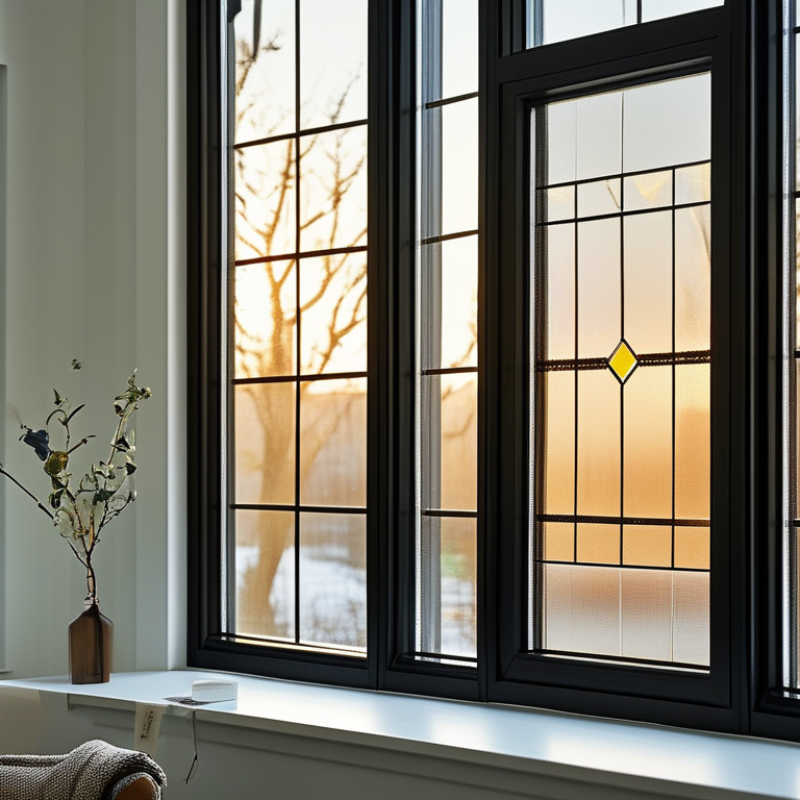
How to Choose Windows for Different Climates in 2026?

How Climate Influences Window Energy Efficiency Ratings

When selecting windows for different climates, understanding energy efficiency ratings is crucial. The climate often dictates how windows perform. For example, regions facing extreme heat benefit from low solar heat gain coefficients (SHGC). This helps keep indoor temperatures cooler. Conversely, cold climates require high thermal insulation, which is reflected in the U-factor of windows.

Energy efficiency ratings can be misleading. Not all windows labeled as "energy-efficient" are suitable for every area. A window with a high efficiency in one climate might fail to perform in another. It's essential to consult local professionals who understand the specific requirements for your area. They can provide insights tailored to local conditions, improving your home’s energy performance.

Adapting to varied weather will guide your choices. Windows must not only enhance comfort but also withstand harsh elements. Review the efficiency certifications carefully, especially with evolving technologies. If your home is in a region with mixed climates, testing different window specifications may offer insights. Always weigh the long-term benefits of energy efficiency against immediate costs for the best decision.

Types of Windows Best Suited for Hot Climates in 2026

When selecting windows for hot climates, energy efficiency is crucial. Dual-pane windows are often recommended. They have two layers of glass with a gas-filled space in between. This design minimizes heat transfer, keeping your space cooler. Low-emissivity (Low-E) glass is another option. It reflects heat away while allowing sunlight in. Such features help reduce energy bills during sweltering months.

Consider window orientation when choosing. South-facing windows can let in ample sunlight but may also drive up indoor temperatures. Using shades or blinds can mitigate this effect. Proper insulation around windows is equally important. Gaps can lead to significant air leaks, escalating cooling costs. Installed correctly, windows can enhance your home's efficiency.

Choosing the right frame material matters too. Vinyl frames are low-maintenance and good insulators. However, wooden frames offer aesthetic appeal but require upkeep. Eventually, the decision should reflect your priorities, balancing aesthetics and performance. Reflecting on your choices can lead to better outcomes in energy savings and comfort.

Choosing Windows for Cold Climates: Key Insulation Features

Choosing windows for cold climates involves understanding key insulation features that can significantly impact energy efficiency. The U-factor measures how well a window insulates. In colder regions, look for windows with a U-factor of 0.30 or lower. This rating indicates superior insulation, keeping your home warmer and reducing heating costs.

Another critical aspect is the type of glazing. Low-emissivity (low-E) coatings can enhance insulation by reflecting heat back into your home. According to the Department of Energy, low-E windows can improve energy efficiency by 30% to 50%. But not all low-E coatings are the same. Some are optimized for cold climates, focusing on keeping heat in rather than out. Selecting the right glazing can be a complex decision.

The frame material also matters. For colder areas, vinyl and fiberglass frames tend to provide better insulation than aluminum. However, they might not have the same aesthetic appeal. Balancing appearance and performance is a common challenge. Understanding the R-value of window frames can help you make informed choices. Not every combination of features will work seamlessly; it's essential to weigh the benefits against costs and long-term energy savings.

Impact of Humidity on Window Durability and Material Selection

When selecting windows for various climates, humidity plays a crucial role. High humidity can lead to serious issues like mold growth and decay. Windows must resist moisture to maintain their integrity. For example, wood frames may warp or rot if not treated properly. Vinyl is another option; it offers durability and is less prone to humidity damage. However, it can fade over time under intense sun exposure.

Material choice is vital for durability. Aluminum may seem robust, but it is prone to condensation, leading to corrosion. Composite materials blend different substances to enhance performance. They resist moisture well and are often more energy-efficient. It's essential to consider local climate conditions when making a decision.

In areas with extreme humidity, it's critical to prioritize ventilation. Poor ventilation can trap moisture indoors, damaging windows over time. Ensuring proper airflow can extend the lifespan of your windows. Reflecting on these factors is necessary. Not every option will fit every climate. Many homeowners face challenges in choosing the ideal window. Listening to experts can guide better decisions to prevent costly repairs.

Impact of Humidity on Window Durability and Material Selection

Emerging Technologies in Window Manufacturing for Diverse Climates

As climate change intensifies, window manufacturing technologies evolve to meet diverse needs. In 2026, we see smart glazing as a key innovation. This technology adapts to light and temperature, enhancing comfort in various climates. Reports indicate that smart windows can reduce energy consumption by up to 30%. However, high costs and complexity still pose challenges for widespread adoption.

Another notable shift is the rise of insulated frames and triple glazing. These features provide significant thermal protection, especially in extreme climates. Studies show that triple glazing can improve insulation by 50% compared to traditional options. Yet, not all markets embrace this due to the higher initial investment. It's essential for builders and homeowners to weigh benefits against costs carefully.

Ventilation technologies are also advanced. Passive ventilation systems help maintain air quality without high energy use. Data reveals that these systems can decrease reliance on air conditioning by 25%. While promising, they require proper design and integration, which can complicate installations. The key is finding a balance between efficiency and practicality in every climate scenario.

How to Choose Windows for Different Climates in 2026? - Emerging Technologies in Window Manufacturing for Diverse Climates

Climate Type Recommended Window Type Key Features Emerging Technologies
Tropical Double Glazed Low-E Heat reduction, UV blocking Solar control coatings
Temperate Triple Glazing Improved insulation, noise reduction Vacuum-sealed glass technology
Arid Single Glazed with Reflective Coating Lightweight, glare reduction Advanced reflective films
Cold Low-E Argon Filled Double Glazing Excellent thermal performance Smart window technology with variable opacity
Coastal Storm-resistant Windows Durability, salt resistance Non-corrosive frames and coatings

FAQS

: Why are energy efficiency ratings important when selecting windows?

: Energy efficiency ratings indicate how well windows perform in different climates. They help ensure comfort and cost savings.

How can climate affect window performance?

Climate determines aspects like thermal insulation and solar heat gain. Windows must adapt to local weather conditions for the best performance.

Are all energy-efficient windows suitable for every climate?

No, not all energy-efficient windows perform well in every climate. Local conditions are crucial for effective selection.

What are dual-pane windows?

Dual-pane windows have two glass layers with a gas-filled space between. They minimize heat transfer and improve cooling.

Why is material choice important for window durability?

The material affects resistance to humidity, mold, and decay. Vinyl is durable, while wood can warp without treatment.

What role does humidity play in window selection?

High humidity can lead to mold or decay. Windows must resist moisture to maintain integrity and durability.

How does orientation impact window selection in hot climates?

South-facing windows allow sunlight but can increase indoor heat. Using shades can help manage this effect effectively.

Why should homeowners consider ventilation with windows?

Proper ventilation reduces moisture buildup, which can damage windows. It’s important for prolonging window lifespan.

What are the benefits of Low-E glass?

Low-E glass reflects heat away while allowing sunlight in. It helps keep homes cooler and reduces energy bills.

How can consulting local experts aid in window selection?

Experts provide tailored insights based on local conditions. Their advice can help prevent costly mistakes in window choices.

Conclusion

In the article titled "How to Choose Windows for Different Climates in 2026," we explore the crucial factors influencing window energy efficiency and selection based on varying climatic conditions. The discussion begins with an assessment of how climate affects window energy efficiency ratings, highlighting the distinct requirements for different environmental factors.

For hot climates, windows that minimize heat gain, such as those with low solar heat gain coefficients, are recommended. In contrast, cold climates necessitate windows that prioritize insulation, focusing on features like double or triple glazing and low U-values. Additionally, the article addresses how humidity levels impact window materials and durability, guiding readers on how to choose windows for different climates. Finally, it covers emerging technologies in window manufacturing that promise improved performance for diverse environments, ensuring longevity and efficiency in differing climates.

Amelia

Amelia

Amelia is a seasoned marketing professional with a wealth of expertise in our company’s core offerings. With an unwavering passion for driving growth and innovation, she plays a pivotal role in shaping our marketing strategies and enhancing brand visibility. A key aspect of her responsibilities......