7 Tips for Finding the Most Energy Efficient Windows

Time:2026-11-05 Author:Henry
0%

Choosing new windows can feel like comparing numbers without knowing which ones matter. The right choice depends on your climate, home, and heating or cooling needs. A window that performs well in a cold region may not be ideal in a hot, sunny one.

If you’re asking, “what are the most energy efficient windows,” start with verified performance ratings, not marketing claims. Look at the U-factor, which indicates how quickly heat passes through a window. Check the solar heat gain coefficient, or SHGC, to understand how much solar heat enters. Lower is not always better for every home. Winter sunlight may be useful in some climates.

Glass is only part of the picture. Frame materials, weather seals, window orientation, and installation all affect comfort. A high-performing unit can still allow drafts if gaps around the frame are poorly sealed. Feel that chill near the sill? It may come from installation, not the glass.

The following seven tips explain what to compare, what questions to ask, and where common assumptions can mislead. They draw on established rating systems and practical considerations homeowners can verify with manufacturers or qualified installers. Measure carefully. Review local conditions. And remember, no single window is best for every house. Even a careful choice involves trade-offs, so consider both rated performance and the way you actually use each room.
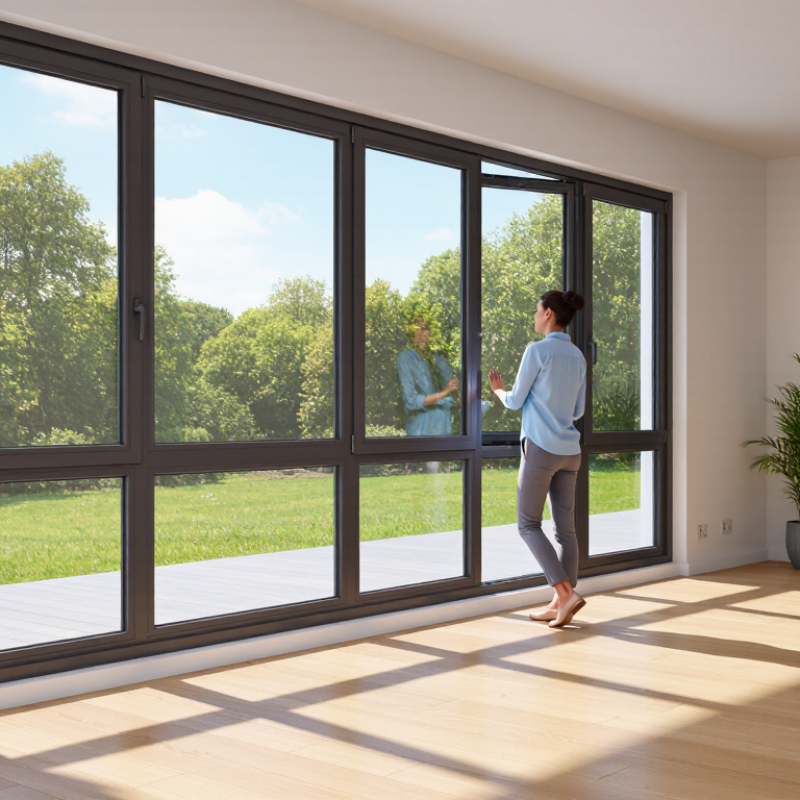
7 Tips for Finding the Most Energy Efficient Windows

How Window Energy Efficiency Ratings Are Measured

7 Tips for Finding the Most Energy Efficient Windows
How Window Energy Efficiency Ratings Are Measured

Window ratings turn performance into comparable numbers, but each number answers a different question. The National Fenestration Rating Council (NFRC) tests and certifies products using standardized procedures. Its label reports metrics such as U-factor and solar heat gain coefficient (SHGC). U-factor measures heat transfer through the window; lower values mean better insulation. SHGC measures how much sunlight becomes indoor heat. Lower SHGC can help in hot, sunny regions, while some colder homes may benefit from more solar heat.

Check visible transmittance, too. It indicates how much daylight passes through the glass. The U.S. Department of Energy estimates that windows account for 25–30% of residential heating and cooling energy use. That makes ratings worth comparing, especially when replacing several windows. Look at the same metrics across options, rather than relying on a single “efficient” claim.

Ratings are not the whole story. NFRC values come from standardized tests, while actual performance also depends on climate, window size, shading, and installation quality. A strong rating cannot fix a poorly sealed frame. Still, a tidy label can create false confidence. I’d compare the numbers with the home’s exposure and ask how the window will be installed. That extra step is easy to overlook.

How to Choose Glazing and Frame Materials

Choosing glazing starts with the climate and the window’s direction. The U.S. Department of Energy estimates that heat gain and loss through windows account for 25–30% of residential heating and cooling energy use. A low U-factor limits heat transfer; a suitable solar heat gain coefficient (SHGC) helps manage sunlight. In cold regions, some solar gain can be useful. On a west-facing window, it may mean hot afternoon rooms. One number cannot tell the whole story.

Look for the National Fenestration Rating Council (NFRC) label to compare tested U-factor and SHGC values. Double- or triple-pane glass, low-emissivity coatings, and gas fills can improve insulation, but their value depends on local conditions. More layers are not automatically better. Check visible transmittance, too, if daylight matters; heavily shaded glass can make a bright kitchen feel dim.

Frame materials also shape performance. The Department of Energy notes that metal frames conduct heat readily, while thermal breaks can reduce that transfer. Wood and vinyl generally insulate well, while fiberglass offers strength and dimensional stability. Installation still matters: a high-performing frame cannot fix gaps around the opening. The trade-offs are not always tidy. Compare ratings, climate, and the actual wall details before choosing.

How to Match Window Types to Your Climate

In cold climates, prioritize a low U-factor, which indicates how slowly a window transfers heat. Double- or triple-pane glass with insulated spacers can reduce cold spots near the frame. On sunny south-facing walls, moderate solar heat gain may help warm rooms in winter. Too much glass can still create glare and summer overheating. Details matter.

In hot, sunny regions, look for a lower solar heat gain coefficient (SHGC) to limit heat entering through the glass. Pair it with exterior shades, especially on west-facing windows that catch harsh afternoon sun. Awnings or deep eaves can help, but they may block welcome winter light in cooler areas. That trade-off is real.

For mixed or humid climates, balance insulation, solar control, and ventilation. Casement windows often seal more tightly than sliding styles when closed, though careful installation matters just as much. In damp coastal areas, choose materials and finishes suited to frequent moisture, and check that frames drain properly. Still, measure carefully. Compare rated U-factor and SHGC values for your climate, and ask a qualified installer to assess orientation, air leakage, and local weather exposure before choosing. A technically efficient window can disappoint if it is poorly fitted.

How to Check Installation Quality and Air Sealing

A high-efficiency window can still waste energy if installation leaves gaps. The U.S. Department of Energy’s Energy Saver guidance estimates that heat gain and loss through windows account for 25–30% of residential heating and cooling energy use. Check the frame from indoors on a windy day. A moving tissue near the joints can reveal drafts, though it is not a precise test. Small gaps matter. Look closely.

Tip: Inspect the perimeter, not just the glass. The frame should sit square, open smoothly, and show no visible daylight at its edges. Ask the installer how the rough opening was insulated and sealed. Low-expansion foam or suitable backer rod and sealant can reduce leakage; weep holes must remain clear so water can drain.

After installation, compare the window’s operation and seals with the manufacturer’s instructions, and keep the written scope of work. Persistent drafts, rattling, or damp trim deserve a closer inspection. A tidy bead of caulk looks reassuring, but appearance alone cannot confirm a continuous air seal. Even careful checks can miss concealed gaps, so a qualified building professional can investigate recurring comfort problems.

7 Tips for Finding Energy-Efficient Windows

Check the NFRC label for U-factor: lower values indicate less heat transfer through the window.

Installation matters too: inspect for a continuous air-sealing layer around the frame, even gaps, secure fastening, and smooth operation. These are illustrative U-factor reference points—not product test results or code limits. SI values are converted using 1 Btu/(h·ft²·°F) = 5.678 W/(m²·K).

How to Compare Costs, Warranties, and Energy Savings

A low purchase price can hide expensive trade-offs. Compare each quote by window count, frame material, glazing, installation, disposal, and interior trim repairs. The National Fenestration Rating Council label helps compare U-factor and solar heat gain coefficient across products. Lower U-factor generally means better insulation, but solar heat gain needs depend on climate and window direction. Check the same specifications, not just the advertised efficiency rating. Details matter.

Then compare the full installed cost with realistic savings. The U.S. Department of Energy and Environmental Protection Agency estimate that replacing single-pane clear-glass windows with certified efficient windows can save roughly $101–$583 annually, depending on location. That range is not a promise: home size, energy prices, shade, and installation quality all change the result. The payback calculation is imperfect, and I would not treat the largest estimate as typical.

Read warranty terms line by line. Ask whether coverage includes glass seal failure, frames, hardware, labor, and removal, and whether it transfers to a future owner. A long warranty may exclude installation problems or require maintenance. Keep the written quote and warranty together; small exclusions can matter years later. Compare expected savings against the price premium, not against the cheapest quote alone.

FAQS

How should I choose window glazing for my climate?

Compare U-factor and solar heat gain coefficient on tested rating labels. A lower U-factor generally reduces heat transfer. Sun exposure matters, too. West-facing glass can make rooms hot in the afternoon.

Are triple-pane windows always better than double-pane windows?

Not always. Extra panes, low-emissivity coatings, and gas fills may improve insulation, but local conditions matter. Check visible transmittance if daylight is important. A dim kitchen can be an unexpected trade-off.

Which window frame material should I consider?

Wood and vinyl generally insulate well. Fiberglass offers strength and dimensional stability. Metal conducts heat readily, though thermal breaks can help. Installation still matters.

How can I check for drafts after installation?

On a windy day, move a tissue near the frame joints. Watch for movement. It is only a rough check. Small gaps matter.

What installation details deserve a closer look?

Check that the frame sits square and opens smoothly. Look for daylight around its edges. Ask how the opening was insulated and sealed. Keep drainage holes clear.

What signs suggest an installation problem?

Persistent drafts, rattling, or damp trim deserve investigation. A neat caulk line looks reassuring, but it cannot prove the seal is continuous. Hidden gaps can be easy to miss.

How should I compare window quotes and possible savings?

Compare window counts, glazing, frames, installation, disposal, and trim repairs. Estimated annual savings from replacing single-pane windows range roughly from $101 to $583. That is not a promise. I would not assume the highest figure applies to my home.

What should I check in a window warranty?

Read whether it covers glass seals, frames, hardware, labor, and removal. Check transfer rules and maintenance conditions. Keep the written quote with the warranty. Small exclusions may matter years later.

Conclusion

Choosing energy-efficient windows starts with understanding how ratings such as U-factor and solar heat gain indicate insulation and heat control. Compare glazing options, including double- or triple-pane glass and low-emissivity coatings, alongside frame materials that balance thermal performance, durability, and maintenance. The best choice depends on local climate: windows should help retain warmth in colder regions or limit unwanted heat in hotter ones.

When asking “what are the most energy efficient windows,” consider more than the product itself. A well-matched window can still waste energy if it is poorly installed, so check for secure fitting and effective air sealing. Compare the full cost with expected energy savings, warranty coverage, and long-term performance. These factors can help you choose windows that suit your home, climate, and budget.

Henry

Henry

Henry is a dedicated marketing professional with a profound expertise in the company's offerings. With years of experience in the industry, he possesses an impressive understanding of the market dynamics and consumer behaviors that drive success. Henry is committed to sharing his insights through......