What Makes High Quality Windows Stand Out from the Rest?

Time:2026-08-02 Author:Ethan
0%

In today's market, understanding what makes high quality windows different is essential for homeowners and builders alike. Industry expert Dr. Sarah Bennett emphasizes this point, stating, "Investment in quality windows pays off in comfort and energy savings." High-quality windows stand out through their materials, craftsmanship, and energy efficiency. These features ultimately contribute to a property's overall value and performance.

Consider the frame materials. Wood, vinyl, and fiberglass each offer unique benefits and drawbacks. Aesthetics and durability vary significantly among these options. Insulation plays a pivotal role as well. Poor insulation can lead to energy loss, impacting comfort and utility costs. It's crucial to assess these factors when selecting windows.

Reflecting on the market, many consumers settle for standard options without considering their long-term implications. Poor quality windows may save money upfront but can lead to costly repairs later. Attention to detail in window selection can vastly enhance a home's livability and efficiency. It's a decision worth pondering for those looking to invest wisely.
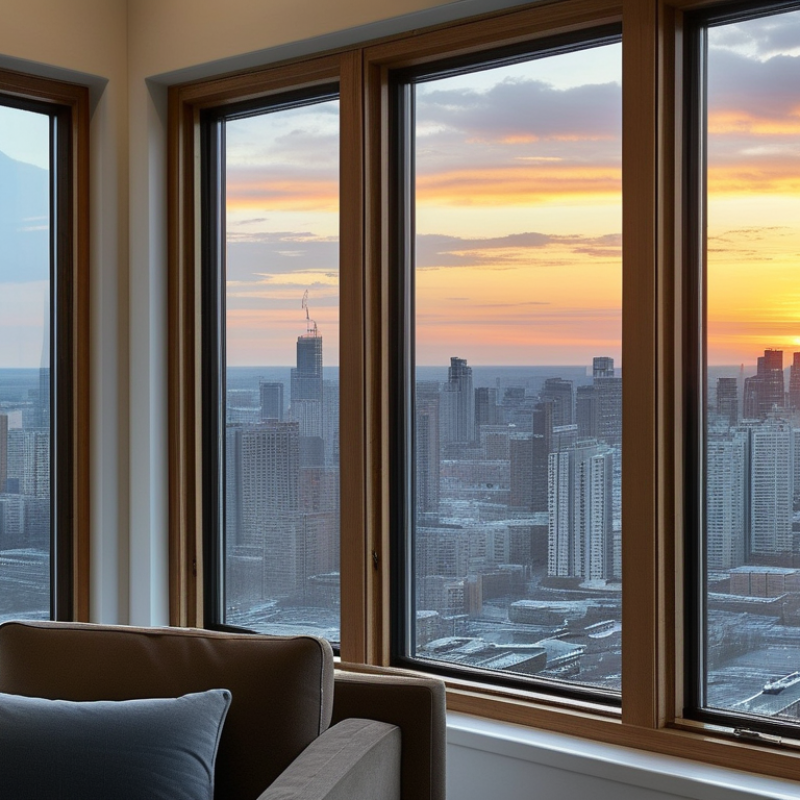
What Makes High Quality Windows Stand Out from the Rest?

Key Materials Used in High Quality Windows

When choosing high-quality windows, the materials used play a pivotal role. Vinyl, wood, and fiberglass are among the top contenders. Each material brings unique benefits, but also potential drawbacks. For instance, vinyl offers excellent insulation and requires little maintenance. However, it can warp under extreme temperatures, diminishing its lifespan.

Wood is another popular choice. It provides a classic look and great insulation value. Yet, it needs regular painting or staining to prevent rot. Fiberglass windows are incredibly durable and resistant to temperature changes, but they may come with a higher initial cost. Understanding these materials is crucial to making an informed decision.

The type of glass also significantly impacts window quality. Double or triple glazing can enhance energy efficiency. Low-emissivity coatings can reduce heat transfer, contributing to better insulation. However, these features can add to the cost, making it essential to weigh benefits against your budget. Investing in high-quality windows pays off in comfort and energy savings over time.

Energy Efficiency and Insulation Benefits

When choosing windows, energy efficiency and insulation are crucial. High-quality windows provide excellent thermal insulation. This helps maintain a comfortable indoor temperature throughout the year. These windows often include multi-pane glass and advanced framing materials. This combination minimizes heat transfer, reducing the need for excessive heating or cooling.

Proper insulation can significantly lower energy bills. By keeping your home well-insulated, you rely less on your HVAC system. This not only saves money but also reduces your carbon footprint. However, not all high-quality windows perform equally. Some may struggle in extreme climates, leading to potential issues. Regular maintenance and proper installation are essential for optimal performance.

The benefits of quality windows extend beyond energy savings. They can enhance the overall comfort of your living space. Yet, choosing the right windows often requires research. It’s important to weigh options and understand local climate conditions. Consulting experts ensures that you make informed decisions based on your specific needs.

What Makes High Quality Windows Stand Out from the Rest? - Energy Efficiency and Insulation Benefits

Window Type U-Value (W/m²·K) SHGC (Solar Heat Gain Coefficient) Energy Efficiency Rating Noise Reduction (decibels)
Double Glazed 1.2 0.3 A 30
Triple Glazed 0.8 0.25 A+ 35
Low-E Coated 1.0 0.4 A 28
Argon Gas Filled 1.1 0.35 A 32
Low-Emissivity 0.9 0.27 A+ 34

Durability and Weather Resistance Features

High quality windows are essential for any building. Their durability and weather resistance features make them stand out. They must withstand harsh elements like rain, wind, and snow. Poor-quality windows can lead to higher energy costs and frequent replacements. Investing in quality windows protects your home and enhances comfort.

One key aspect is the material used. Fiberglass and vinyl offer excellent resistance to rotting, warping, and fading. This adds to the longevity of the windows. Choose double or triple glazing for better insulation. This can help reduce noise and improve energy efficiency.

Tips: Inspect your windows occasionally. Look for any signs of wear. Check for leaks or drafts. Addressing these small issues early may prevent larger problems. When replacing windows, seek professional advice on local weather patterns. Consider windows designed for specific climates. Quality windows don't just blend in; they perform.

Design and Aesthetic Considerations

When considering high-quality windows, design and aesthetic elements are crucial. They need to blend functionality with visual appeal. Windows can enhance a home’s exterior. This influence goes beyond mere appearance; it also affects the overall vibe of a space. The right windows can make a property feel warm and inviting. Yet, achieving this balance can be challenging.

Craftsmanship plays a vital role in window design. Details like frame shape, size, and materials matter. The interplay of light and shadow can transform a room. Large panes of glass, for instance, can create a sense of openness. Conversely, intricate mullions may add character. However, it’s essential to consider harmony with the building’s architecture. Mismatched styles lead to confusion and detract from aesthetic value.

Colors and finishes also impact perception. Neutral tones provide flexibility. Bold colors can add personality. Each choice reflects a homeowner’s taste. Yet, there’s a risk of overdesigning. Subtlety often speaks louder than excess. A well-thought-out design can elevate windows from functional to striking. Balancing personal style with practicality is key.

Maintenance and Lifespan Comparison

When comparing windows, maintenance and lifespan are crucial factors. High-quality windows can significantly outperform cheaper alternatives in both areas. They often incorporate superior materials that resist wear and tear. This leads to longer service life, reducing the need for frequent replacements.

For instance, a well-made window frame can endure extreme weather. It prevents warping and deterioration, which can occur with lower-grade options. Regular upkeep, like cleaning tracks and seals, can further extend lifespan. Inspecting for any wear or damage should be routine.

**Tips**: Apply a silicone-based lubricant to window tracks annually. This will improve function and reduce friction. Additionally, consider weatherstripping to keep drafts out. Look for any signs of leaks regularly. Addressing issues early can save money in the long run. Every maintenance task counts towards the overall durability of your windows.

What Makes High Quality Windows Stand Out from the Rest?

FAQS

: What materials are commonly used for high-quality windows?

: Common materials include vinyl, wood, and fiberglass. Each has unique benefits and drawbacks.

What is a major advantage of vinyl windows?

Vinyl provides excellent insulation and needs little maintenance.

What is a drawback of vinyl windows?

Vinyl can warp under extreme temperatures, affecting its lifespan.

Why do people choose wood for windows?

Wood has a classic look and offers great insulation.

What maintenance is required for wooden windows?

Regular painting or staining is needed to prevent rot.

How do fiberglass windows compare to others?

Fiberglass is very durable and resists temperature changes, but it may be more expensive.

How does the type of glass affect window performance?

Double or triple glazing can improve energy efficiency and insulation.

What aesthetic aspects should be considered for windows?

Design features should blend functionality with visual appeal, affecting a home's overall vibe.

What role does craftsmanship play in window design?

Details like frame shape and size can transform a room’s feel.

How can color choices impact window perception?

Neutral tones offer flexibility, while bold colors add personality, but balance is essential to avoid overdesign.

Conclusion

High quality windows stand out from the rest due to several key factors that contribute to their overall performance and longevity. First, the materials used in their construction play a crucial role; elements such as high-grade vinyl, fiberglass, and wood not only enhance aesthetics but also ensure superior insulation. Energy efficiency is another hallmark, providing substantial savings on heating and cooling costs while improving comfort through better insulation features.

Durability and weather resistance are essential traits, as they protect the structure from the elements, thereby extending the lifespan of the windows. Additionally, design and aesthetic considerations allow homeowners to choose windows that complement their architectural style while maintaining functionality. Finally, low maintenance requirements further distinguish high quality windows, making them a wise investment. In essence, understanding what makes high quality windows different helps consumers make informed choices that enhance both their home’s value and energy performance.

Ethan

Ethan

Ethan is a seasoned marketing professional with a deep expertise in our company's innovative product line. With a passion for sharing knowledge and insights, he takes the lead in regularly updating our corporate blog, where he explores industry trends, product features, and effective marketing......