Choosing a window supplier is not merely a price comparison. It is a building-performance decision.
The U.S. Department of Energy reports that windows can cause 25–30% of residential heating and cooling energy use. That figure makes manufacturer selection financially important. The ENERGY STAR Residential Windows, Doors, and Skylights report also emphasizes verified energy performance, suitable climate ratings, and professional installation. A low quotation may look attractive. It may later bring drafts, condensation, or difficult warranty claims.
This is why homeowners, architects, and contractors need a practical method for how to select a reliable window manufacturer. Check NFRC labels, product certifications, published U-values, solar heat-gain coefficients, and tested air-leakage results. Ask for project references. Examine the warranty language closely. Who covers glass failure? Who handles installation damage? How quickly does the company respond?
Building-science expert Dr. Joseph Lstiburek offers a useful warning: “There are no bad buildings, only bad details.” His point applies directly to windows. A strong frame can still fail when flashing, drainage, or installation training is weak. Reliable manufacturers explain these details clearly.
Look beyond showroom shine.
Industry data cannot predict every supplier’s behavior. Even certification is not a perfect guarantee. That uncomfortable limitation deserves attention. A manufacturer may present excellent laboratory results but provide inconsistent field support. Therefore, compare documents with real customer experiences, installer qualifications, factory capacity, and after-sales records. The best decision combines measurable evidence with careful questioning. That is the foundation of a dependable window project.
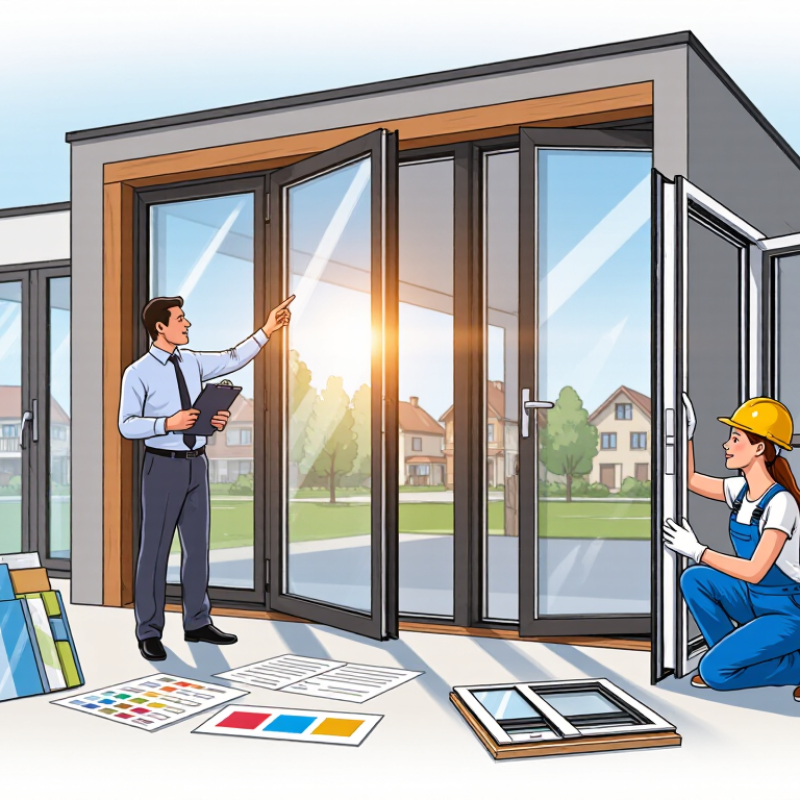
A reliable window manufacturer does more than produce frames and glass. It translates building needs into tested, practical solutions. During a site visit, experienced teams check wall dimensions, drainage paths, wind exposure, and installation access. Small measurements matter. A two-millimeter error can create uneven gaps, drafts, or difficult operation. Manufacturers with technical knowledge explain U-values, air leakage, water resistance, and hardware choices in clear language. They should also provide drawings, test reports, and realistic performance details, not vague promises.
Reliability becomes visible after the order leaves the factory. Consistent quality control checks profiles, corner joints, seals, glazing, and surface finish before packing. Traceable production records help identify a batch if a problem appears later. Good manufacturers also coordinate delivery dates and protect units with sturdy corner guards. On site, installation guidance can prevent damage that factory inspection cannot catch. A window may be well made yet perform poorly when the sill lacks support or the sealant is applied unevenly. This shared responsibility deserves honest discussion.
I have learned that the lowest quotation is rarely the clearest choice. Sometimes, higher prices still hide weak service. Ask who answers technical questions, how complaints are recorded, and whether replacement parts remain available. Request references from comparable projects, not only polished photographs. Reliable suppliers welcome reasonable scrutiny. They admit limitations, correct mistakes, and keep written commitments. That standard feels less impressive in a sales meeting, but it protects comfort, energy use, and maintenance costs for years.
Selecting a reliable window manufacturer requires more than comparing showroom samples. Window quality depends on materials, assembly, testing, and installation support. A polished frame can still hide weak joints or poor drainage.
My early evaluations focused too heavily on appearance. That was a mistake. During one cold-site inspection, I noticed air leakage around a corner joint. The glass looked excellent, but the seal failed under pressure. Now, I examine frame rigidity, gasket flexibility, drainage paths, and hardware movement. Small details matter. Materials should match the building’s climate and exposure. Reinforced profiles may suit large openings, while quality thermal breaks can reduce heat transfer. Glass specifications also deserve careful review, including coating, thickness, spacing, and safety performance.
Manufacturing standards reveal how consistently a supplier works. Ask for documented testing, traceable material records, and independent laboratory reports. Useful evidence may cover air leakage, water resistance, wind pressure, and repeated opening cycles. Factory inspection should include welding or corner assembly, surface finishing, seal placement, and dimensional checks. A clear warranty helps, but it is not proof of quality by itself. I still find supplier comparisons imperfect because test conditions may differ. Requesting comparable data can reduce that uncertainty. Reliable manufacturers explain limitations instead of making absolute promises. Their technical staff should answer practical questions without avoiding uncomfortable details. Even packaging and delivery procedures deserve attention, since damaged frames can undermine good factory workmanship.
Evaluating frame materials helps identify potential thermal-performance differences. The chart shows approximate thermal conductivity at room temperature; lower values generally indicate less heat transfer through the material itself.
Material conductivity is only one selection factor. A reliable manufacturer should also provide independently verified U-factor, solar heat gain coefficient, air-leakage, water-penetration, and structural-performance data tested under applicable window standards.
Choosing a reliable window manufacturer starts with comparing products, not attractive showroom displays. Look at frame materials, glazing layers, hardware, and drainage design. Ask for tested air leakage, water penetration, and thermal performance data. A knowledgeable supplier should explain these results without hiding behind technical terms. This matters during a winter inspection, when a cold frame or rattling sash reveals poor performance. Small details matter.
Product options should match the building, climate, and daily use. A fixed window may save energy, while an operable unit improves ventilation. Double glazing can suit moderate conditions, but low-emissivity coatings and gas-filled units may help in colder regions. Do not assume the most expensive glass is always best. Ask how the window works with shading, orientation, and wall insulation. I once overlooked installation depth in a comparison. The quoted efficiency looked excellent, yet the fit would have been awkward.
Customization is more than choosing a color. It includes sizes, opening styles, safety hardware, screens, and accessible controls. Reliable manufacturers provide clear drawings, sample corners, warranties, and maintenance instructions. Check whether replacement parts remain available. Energy claims need context. Request performance values for the exact configuration, not a general brochure model. Independent certification and documented testing add confidence, although paperwork alone cannot replace careful installation. Measure twice. Review the quote slowly.
A reliable window manufacturer should show more than a long operating history. Experience appears in details: accurate opening measurements, climate-appropriate glass, and clear installation guidance. The U.S. Department of Energy reports that windows can account for 25–30% of a home’s heating and cooling energy use. That makes product selection and technical support important, not cosmetic. Ask how the manufacturer handles unusual wall conditions, condensation concerns, and replacement parts after installation.
Service quality becomes visible before the contract is signed. Request project references, product testing information, and written delivery procedures. The National Fenestration Rating Council explains that U-factor and solar heat gain coefficient ratings help buyers compare window performance consistently. A professional manufacturer should explain these ratings in plain language. If staff avoid technical questions, caution is reasonable. A polished showroom proves little.
Warranty support deserves closer inspection. Read the coverage for glass seal failure, frame damage, hardware, labor, and transferability. These terms are often separated. They should not be treated as one promise. The warranty should also state response times and claim procedures. The U.S. Department of Energy notes that poor installation can undermine otherwise efficient windows, so workmanship coverage matters. No checklist is perfect. I would still request a sample claim process, because a warranty that is difficult to use offers limited protection. Reported experience, responsive service, and measurable performance together provide stronger evidence than a low quotation.
Why Learn How to Select a Reliable Window Manufacturer?
Making an Informed Decision for Long-Term Window Performance
Reliable windows begin with a reliable manufacturer, not an attractive showroom display. Long-term performance depends on tested materials, accurate engineering, and consistent production. Look for documented air leakage, water resistance, structural, and thermal performance. These records show more than polished sales language.
Ask how the manufacturer controls frame quality and glass installation. A small gap around the sash can invite drafts, moisture, and noise. Request clear product specifications, warranty terms, and installation requirements. A trustworthy supplier explains limitations instead of promising perfect results. That honesty matters.
Site conditions also influence performance. A coastal home, a busy street, and a cold mountain property need different solutions. Review local weather, wall construction, window orientation, and ventilation needs with a qualified installer. Check references from completed projects, not only recent photographs. A ten-year-old installation can reveal more than a new sample.
No checklist is perfect. A strong window can still perform poorly after careless installation. Even experienced teams can miss a flashing detail or misread the opening size. Ask who will inspect the work and how problems will be handled. Keep written records of measurements, approvals, and service contacts. Small details often protect performance years later.
| Evaluation Dimension | Practical Benchmark or Evidence | Questions to Ask the Manufacturer | Long-Term Performance Benefit | Priority |
|---|---|---|---|---|
| Energy Performance | Request independently verified U-factor and Solar Heat Gain Coefficient (SHGC) values for the exact window configuration. | Are the values based on the complete window unit, including the frame and glazing? Are they appropriate for the local climate? | Helps reduce unwanted heat transfer, improve indoor comfort, and manage heating and cooling demand. | High |
| Air Leakage | Compare tested air-leakage results; lower values indicate better resistance to uncontrolled air movement. | What is the tested air-leakage rating for this model and operating style? | Reduces drafts, dust infiltration, energy loss, and strain on heating or cooling equipment. | High |
| Water Resistance | Look for a documented water-penetration test rating suitable for the building exposure and installation location. | What test standard was used, and does the product meet the required performance for wind-driven rain? | Helps prevent moisture damage, staining, mold growth, and deterioration around the opening. | High |
| Wind Load Capacity | Verify structural test results and design-pressure ratings for the project’s height, location, and exposure. | Can you provide structural performance data for the selected size and configuration? | Supports frame stability, reliable operation, and resistance to pressure during severe weather. | High |
| Frame and Glazing Quality | Assess frame material, reinforcement, glazing spacer design, seals, drainage paths, and hardware quality. | Which components are replaceable, and how are the frame, glass, seals, and hardware protected against deterioration? | Improves durability, reduces maintenance requirements, and helps preserve appearance and operation. | High |
| Safety and Security | Check for suitable safety glazing, secure locking points, robust keeps, and hardware tested for repeated use. | Does the selected configuration meet applicable safety-glazing and emergency-egress requirements? | Enhances occupant safety and provides dependable operation in everyday and emergency situations. | High |
| Quality Certification | Confirm current third-party test reports, product certification, and traceable performance documentation. | Are the certificates current, and do they cover the exact product, size range, and configuration being quoted? | Provides greater confidence that published performance claims are measured rather than estimated. | High |
| Warranty Coverage | Review separate coverage periods and conditions for insulated glass, frame components, finishes, hardware, and labor. | What is covered, what is excluded, and who handles claims after installation? | Limits financial exposure and clarifies responsibilities if defects or premature failures occur. | High |
| Installation Support | Evaluate installation instructions, approved methods, site support, and compatibility with the wall system. | Does the manufacturer provide technical guidance, site assistance, or installer training? | Proper installation helps the window achieve its tested performance and reduces leakage-related failures. | High |
| Dimensional and Configuration Flexibility | Confirm available sizes, opening styles, glazing options, colors, hardware, and special shapes. | Can the manufacturer produce the required configuration without compromising tested performance? | Improves design compatibility and reduces the need for unsuitable field modifications. | Medium |
| Production Consistency | Look for documented quality-control procedures, inspection checkpoints, batch traceability, and corrective-action processes. | How are dimensional accuracy, glazing, sealing, and hardware operation checked before shipment? | Reduces variation between units and lowers the likelihood of installation delays or repeated service visits. | High |
| Lead Time and Supply Reliability | Compare quoted production time, delivery reliability, packaging standards, and replacement-part availability. | What is the normal lead time, how are delays communicated, and are common replacement parts stocked? | Supports predictable project scheduling and faster resolution of damaged or defective components. | Medium |
| Maintenance Requirements | Review cleaning instructions, drainage access, seal replacement procedures, finish-care requirements, and hardware servicing. | Which parts require periodic inspection or lubrication, and can they be serviced without replacing the entire window? | Helps preserve weather resistance, appearance, and smooth operation throughout the service life. | Medium |
| Total Cost of Ownership | Compare purchase price together with installation, energy performance, maintenance, expected repairs, and replacement-part costs. | What assumptions support the quoted price, and which lifecycle costs are excluded? | Prevents a low initial price from creating higher operating and maintenance costs later. | High |
| Technical and After-Sales Service | Assess response procedures, service contacts, documentation quality, and availability of technical personnel. | Who provides technical support after delivery, and what is the typical response process for a service request? | Shortens downtime and makes it easier to resolve performance, adjustment, or warranty issues. | Medium |
Examine frame rigidity, corner joints, gaskets, drainage paths, and hardware movement.
Choose materials according to climate, exposure, opening size, and daily use.
Check coating, thickness, spacing, safety performance, and the exact glazing configuration.
Request documented tests for air leakage, water resistance, wind pressure, and repeated opening cycles.
Inspect corner assembly, welding, seal placement, surface finishing, and dimensional accuracy.
Request performance values for the exact window configuration, not a general brochure model.
Review sizes, opening styles, safety hardware, screens, accessible controls, and available replacement parts.
Correct installation protects sealing, alignment, drainage, and thermal performance.
They should explain test results, limitations, maintenance needs, warranties, and practical installation concerns.
Learning how to select a reliable window manufacturer is essential for achieving long-term comfort, safety, and value in any building project. A dependable manufacturer should offer windows made from durable, suitable materials and produced according to consistent quality and manufacturing standards. It is also important to compare available styles, glazing options, customization choices, and energy-efficiency features to ensure the products match the building’s design, climate, and performance requirements.
Beyond product quality, consider the manufacturer’s industry experience, technical knowledge, communication, installation guidance, and after-sales service. A clear warranty can provide additional protection and demonstrate the company’s confidence in its products. By reviewing these factors carefully and comparing manufacturers based on reliability rather than price alone, property owners can make a well-informed decision and select windows that provide lasting performance, improved energy management, and dependable support throughout their service life.

Wright Windows