Windows do more than frame a view. They shape daylight, ventilation, noise levels, energy use, and the first impression a buyer gets when entering a room. A kitchen with clear, well-fitted windows can feel brighter and more welcoming. A bedroom facing a busy street may benefit more from sound control than from a larger pane of glass.
So, how do windows affect property value? Their influence depends on the home, its location, local buyer expectations, and the windows’ condition. Newer, efficient models may appeal to buyers concerned about drafts and utility costs, but installation quality matters. A premium window will not fix poor sealing or neglected frames. Small details matter. Still, brighter is not always better: glare, heat, and privacy concerns can change how a room feels.
This guide explores seven practical factors, including window style, natural light, energy performance, maintenance, and curb appeal. It also explains why replacement costs should be weighed against likely buyer interest, rather than treated as a guaranteed increase in sale price. Local market data and advice from a qualified real estate professional can help set realistic expectations. The answer is rarely simple. A careful inspection can reveal problems that photographs miss, such as condensation between panes or soft wood around a sill. Use these tips to assess what your windows contribute—and what may need attention before listing.
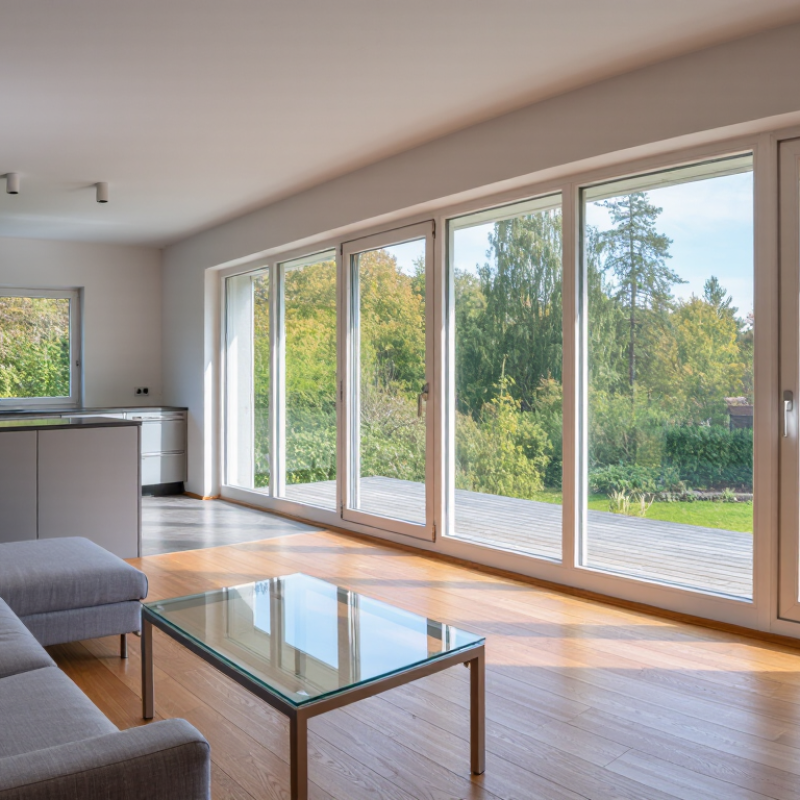
Windows influence market value through more than curb appeal. Buyers notice whether frames look straight, seals are intact, and glass feels cold near the edges. Clear daylight can make a small room feel more open. Drafts and condensation suggest future repair costs. The U.S. Department of Energy estimates that heat gain and loss through windows account for about 25–30% of residential heating and cooling energy use. That can affect comfort and utility bills.
Efficiency is not the whole story. The 2024 Cost vs. Value report by Zonda estimated that a vinyl window replacement recouped about 67% of its cost at resale, based on national averages. That figure is not a promised return for every home. Local labor costs, climate, window condition, and buyer expectations all matter. A replacement may look worthwhile on paper, yet feel excessive if the existing windows still work well.
Match the upgrade to the property. In a noisy street-facing room, better-sealed glazing may matter more than decorative grids. In a dim kitchen, larger clear panes can improve the feel of the space, if the layout allows. Keep invoices and product performance details for buyers. Small flaws remain. A slightly mismatched frame can still draw the eye, even after an otherwise careful renovation.
Buyers often notice windows before they inspect the heating system. Clear glass, even frames, and working locks suggest a home has been cared for. Stuck sashes or cloudy panes can raise questions quickly. Natural light matters, too. A bright kitchen may feel larger, while a shaded room can seem less inviting. Buyers also check whether windows open smoothly and close without drafts.
Appraisers typically consider condition, function, and how the property compares with similar homes; a particular window rarely guarantees a higher valuation. Energy-efficient glazing and intact seals may appeal to buyers, especially when utility costs are a concern. Frame material, visible rot, peeling paint, and signs of poor installation also shape impressions. Small details count. A neat repair can reassure, though fresh caulk cannot hide deeper damage. I may overestimate a window’s impact when a room feels bright, so it helps to assess the whole property, not just the view. Before listing, clean the glass, test each latch, and note any repairs honestly.
Window condition and features can influence buyer appeal, maintenance expectations, and an appraiser’s description of a property. Any effect on value depends on the home, local market, and comparable sales; no feature guarantees a specific price increase.
| Tip | Window feature to check | What buyers may notice | What an appraiser may consider | Practical action |
|---|---|---|---|---|
| 1. Assess overall condition | Cracked glass, damaged frames, peeling paint, failed seals, or windows that are difficult to open and close. | Visible wear can suggest deferred maintenance or a need for repairs. | Condition, functionality, and any apparent repair needs as part of the property’s overall assessment. | Repair safety issues and obvious defects before listing; keep receipts for completed work. |
| 2. Check energy-related features | Insulated glazing, weatherstripping, tight operation, and noticeable drafts or condensation between panes. | Comfort, drafts, and likely heating or cooling concerns. | Observable features and condition; energy efficiency is considered in the context of the property and local market. | Address worn weatherstripping and document known window specifications when available. |
| 3. Consider natural light and views | Window size, placement, unobstructed glass, and the quality of the outlook. | How bright rooms feel and whether windows make spaces feel open. | Room utility and features that may contribute to buyer appeal and comparison with similar properties. | Clean glass, open curtains during showings, and keep window areas uncluttered. |
| 4. Look for smooth operation | Whether sashes, locks, and handles work properly and windows stay open or close securely as designed. | Ease of use, security, ventilation, and signs of sticking or damage. | Functional condition and any apparent concerns that could affect use or require attention. | Test each window and arrange repairs for sticking mechanisms or loose hardware. |
| 5. Match style to the home | Window design, proportions, and consistency with the home’s architecture and other exterior features. | Whether replacement windows look cohesive rather than mismatched. | Overall quality, appeal, and how the property compares with similar homes in its market. | When replacing windows, consider proportions and finishes that suit the building. |
| 6. Review noise and privacy | Street-facing exposure, glazing condition, window fit, and the amount of privacy provided. | How much outside noise is noticeable and whether rooms feel private. | Location and property characteristics; window features alone do not remove the effect of external conditions. | Keep windows in good repair and describe noise-control upgrades accurately, without overstating their performance. |
| 7. Keep records of upgrades | Installation dates, permits where applicable, warranties, product specifications, and repair history. | Clear information about the work and what was replaced. | Available documentation and observable improvements; value conclusions are supported by market evidence. | Organize invoices and specifications, and distinguish documented facts from estimated energy savings. |
A careful window assessment starts with the frame, glass, and moving parts. Look closely. Check for peeling paint, soft or swollen wood, cracked seals, and condensation trapped between glass panes. Open and close each window; stiff handles or uneven movement may point to worn hardware or a frame that has shifted. Feel for drafts around the edges on a windy day. A small gap can make a room uncomfortable and suggest that repairs are needed.
Efficiency is more than a label on the glass. Note whether windows have single or multiple panes, and inspect weatherstripping for gaps or brittleness. On a sunny afternoon, compare how quickly rooms heat up near different windows. Utility bills can offer clues, though heating habits and insulation elsewhere also affect costs. It is easy to blame the windows too quickly. A professional inspection can help distinguish a failed seal from a larger moisture or ventilation issue.
Style matters when buyers judge how well a home feels cared for. Compare window proportions, frame finishes, and grille patterns with the home’s architecture. Mismatched replacements may look jarring, even when they perform well. Record the condition of each window and photograph visible damage; this makes repair estimates more grounded. A worn window is not automatically a replacement job. Sometimes, fresh weatherstripping or repaired hardware is enough.
Windows can influence a buyer’s first impression, comfort, and expected maintenance costs. Their effect on sale price varies by location and home condition, so upgrades do not guarantee a specific return. Still, several practical improvements can make a property more appealing. Small details matter.
Replace cracked or foggy glass, and repair loose frames before problems spread. Renew worn weatherstripping to reduce drafts near doors and windows. In colder or hotter climates, consider efficient glazing suited to local conditions. A qualified window professional can explain performance ratings and check whether existing frames can be retained. Full replacement is not always necessary.
Clean glass and clear window tracks to make rooms feel brighter and better cared for. Add or repair window screens where ventilation is useful, and check that windows open and close smoothly. Choose frame styles and finishes that complement the home rather than look out of place. Where privacy allows, avoid heavy coverings that block natural light. Keep receipts, product specifications, and service records for future buyers. It is easy to overestimate the value of a dramatic upgrade; modest repairs may matter more when other maintenance needs remain.
A useful upgrade starts with choosing windows suited to your climate. This chart shows ENERGY STAR’s maximum U-factor criteria for residential windows by U.S. climate zone; lower U-factors indicate better insulation.
The criteria are energy-performance ratings, not estimates of resale-price increases. Other practical improvements include choosing suitable glazing, adding low-emissivity coatings, sealing air leaks, repairing frames, selecting appropriate solar heat-gain performance, and ensuring professional installation. Source: ENERGY STAR residential window criteria.
Compare the full installed cost with likely resale recovery and realistic energy savings. Include frames, flashing, trim, disposal, and repairs in each quote. The 2024 Cost vs. Value report puts average vinyl window replacement costs at $21,264, with an estimated resale value of $14,270, or 67.1% recouped. Treat this as a national benchmark, not a guarantee. Local prices, window condition, and buyer preferences can change the result. Get two or three itemized bids. Check whether each covers the same number of windows and equivalent materials.
Energy savings may improve the calculation, but avoid assuming they will repay the project quickly. The U.S. Department of Energy says windows account for about 25–30% of residential heating and cooling energy use. Ask an energy auditor to estimate savings for your home, or compare utility bills after adjusting for weather and occupancy. Divide the net project cost by expected annual savings to estimate a simple payback period. Then compare that period with how long you expect to stay. A weak point in any spreadsheet: it cannot reliably price buyer appeal or concealed frame damage. Keep your estimate conservative, and ask a local appraiser which window issues matter most in your market.
Bright, clear windows can make rooms feel more open. Drafts, condensation, or damaged frames may suggest repair costs. Windows matter, but they rarely determine value alone.
No. A national estimate found vinyl window replacements recouped about 67% of their cost. Local labor, climate, and existing window condition can change the result.
Buyers may check clear glass, straight frames, working locks, and smooth movement. Small details count. A stuck sash can raise concerns quickly.
Open and close each window. Look for cracked seals, cloudy panes, peeling paint, and soft wood. Test the latches, too.
Drafts may point to gaps or worn weatherstripping. Condensation trapped between panes can suggest a failed seal. Other moisture problems are possible, so avoid guessing.
Not necessarily. In a noisy room, better-sealed glazing may matter most. In a dim kitchen, larger clear panes could help, if the layout allows.
No. Fresh weatherstripping or repaired hardware may be enough. A replacement can feel excessive when the window still works well.
Keep invoices and performance details for buyers. Photograph visible damage and note each window’s condition. I may overvalue a bright room, so judge the whole home, too.
How do windows affect property value? They shape a home’s appearance, comfort, energy use, and perceived maintenance needs, all of which can influence buyers and appraisers. Features such as natural light, sound insulation, secure operation, durable frames, and a style that suits the property may strengthen its appeal. Assessing windows means checking for drafts, condensation, damaged seals, difficult operation, and outdated designs, while also considering their insulation performance and overall condition.
Seven practical ways to improve value through better windows include repairing minor damage, replacing failed seals, improving weatherproofing, choosing efficient glazing, updating worn frames, selecting a style that complements the home, and ensuring windows open and close smoothly. Before making upgrades, compare the full cost—including installation and future maintenance—with likely benefits such as improved comfort, lower energy use, and stronger buyer interest. The most worthwhile choice depends on the property, local expectations, and the condition of its existing windows.

Wright Windows