In the quest for sustainability, "how to improve building energy efficiency" emerges as a pivotal concern. As we approach 2026, the urgency to adopt innovative design practices intensifies. Buildings account for a significant portion of global energy consumption. The construction industry faces immense pressure to minimize waste and enhance performance.
Implementing energy-efficient strategies is crucial. These methods range from passive design techniques to advanced HVAC systems. Effective insulation plays a vital role in reducing energy loss. Natural lighting can enhance both comfort and efficiency. However, not every approach proves successful for all projects. Adapting solutions to match specific building conditions is essential.
Reflecting on past designs reveals areas for improvement. While some technologies promise high efficiency, they often carry high costs. Balancing aesthetics with functionality remains a challenge. The future of building design depends on our ability to rethink traditional approaches. Emphasizing collaboration between architects, engineers, and builders is necessary. Only then can we create spaces that truly enhance energy efficiency.
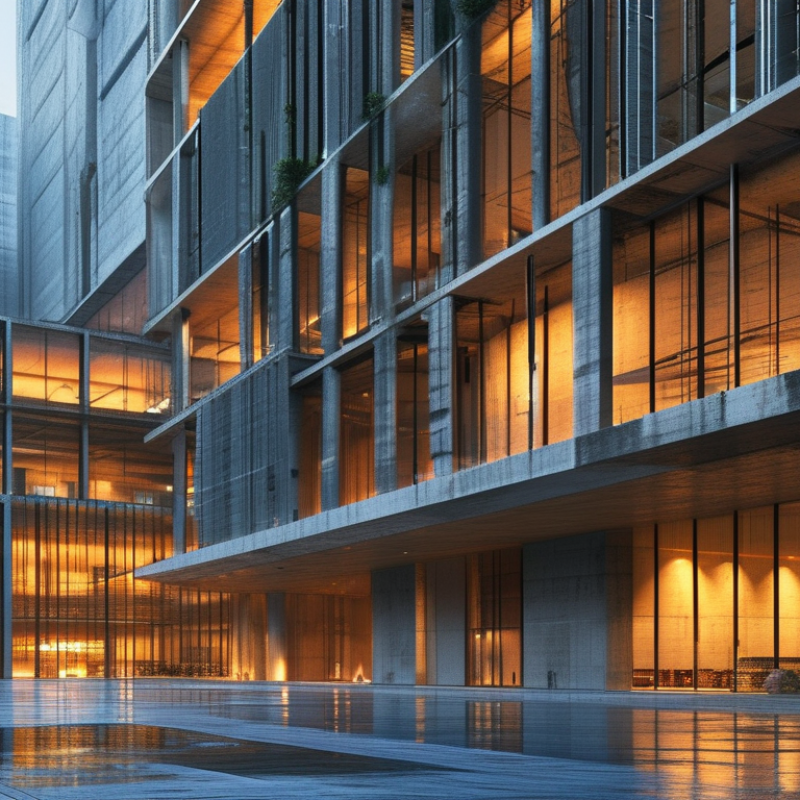
Passive solar design can significantly enhance energy efficiency in buildings. This approach utilizes natural sunlight for heating and lighting. Proper orientation and window placement are crucial. Large south-facing windows capture sunlight effectively. Overhangs can shade windows during hot months, preventing overheating.
Tips: Consider using thermal mass materials. Materials like concrete or brick can store heat during the day and release it at night. This balance reduces the need for artificial heating and cooling.
Incorporating green roofs is another effective strategy. Vegetation provides insulation and reduces urban heat. It also manages stormwater and enhances biodiversity. However, maintenance can be a challenge and needs careful consideration.
Incorporating these elements is not effortless. Designers must balance aesthetics and functionality. It requires knowledge of local climate and environment. Each building's unique context influences the passive solar strategies applied. Being flexible and responsive to these factors is essential.
| Strategy | Description | Benefits | Challenges |
|---|---|---|---|
| Orientation | Positioning the building to maximize natural light and heat from the sun. | Reduced energy costs and improved natural lighting. | Site constraints may limit optimal orientation. |
| Thermal Mass | Using materials that absorb and store heat to moderate indoor temperatures. | Enhanced comfort and reduced reliance on heating/cooling systems. | Effective only in specific climates and requires appropriate design. |
| Natural Ventilation | Designing windows and openings for effective airflow. | Improved indoor air quality and reduced HVAC usage. | Strategic design needed to mitigate outdoor noise and air pollution. |
| Green Roofs | Installing vegetation on roofs to enhance insulation and reduce heat absorption. | Energy savings and stormwater management benefits. | Higher upfront installation costs and maintenance requirements. |
| Solar Shading | Using awnings, overhangs, or landscaping to shade windows from direct sunlight. | Reduced cooling costs and glare control. | Requires careful design to avoid obstructing desirable views. |
: They reduce energy consumption and enhance sustainability. Buildings use nearly 40% of energy globally.
Insulated concrete forms, advanced glazing, and reflective roofing minimize energy loss effectively.
It can save up to 30% in heating and cooling costs. This highlights the choice's impact.
Many prioritize initial costs over long-term energy savings. This shows a gap in industry education.
Low-VOC paints improve air quality, promoting healthier living spaces. Traditional materials often overlook these benefits.
Optimizing lighting reduces energy use and maintains comfort, crucial for sustainability in buildings.
Using windows and skylights helps reduce reliance on artificial lighting during the day.
Light-colored walls and motion sensors automatically adjust lighting use based on traffic.
Energy-efficient fixtures, like LEDs, consume less energy. Also, select appropriate color temperatures for different settings.
Over-illuminating can cause glare and discomfort; thoughtful design adjusts to various tasks and settings.
Improving energy efficiency in building design is crucial for sustainable development, and various strategies can be employed to achieve this goal. One effective approach is to incorporate passive solar design, which harnesses natural sunlight for heating and lighting, thereby reducing reliance on artificial energy sources. Additionally, utilizing energy-efficient materials during the construction process can significantly lower energy consumption over a building's lifespan.
Implementing smart building technologies for energy management allows for real-time monitoring and optimization of energy use, leading to substantial savings. Enhancing insulation and air sealing techniques not only maintains indoor comfort but also minimizes energy loss. Finally, optimizing lighting systems to ensure maximum energy savings can further contribute to how to improve building energy efficiency. By integrating these strategies, buildings can become greener, modernized, and more cost-effective over time.

 Wright Windows