How to Increase Natural Light with Windows for Better Home Design?

Time:2026-07-28 Author:Sophia
0%

Natural light can transform a home. It enhances atmosphere and aesthetics. Windows play a crucial role in bringing in this light. Leading architect John Doe states, “The right windows can change how a space feels entirely.”

In today's design world, understanding how to increase natural light with windows is essential. It isn’t just about size or placement. Factors like window type and surrounding architecture matter too. Consider how sunlight travels through a space.

Yet, maximizing natural light isn’t always straightforward. Certain designs may not capture light effectively. There may be challenges with orientation or landscape. Homeowners need to think critically about these details. A well-designed window layout can brighten a home. It significantly impacts mood and energy levels. Ultimately, every choice can influence the outcome profoundly.
How to Increase Natural Light with Windows for Better Home Design?

Choosing the Right Window Styles for Maximizing Natural Light

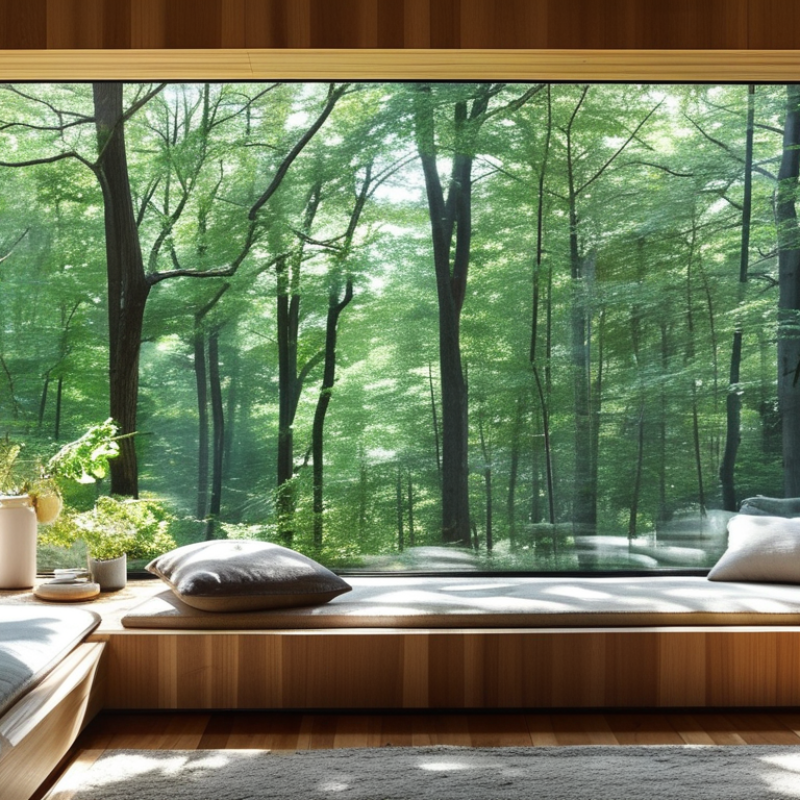
When designing a home, the right window style can make a significant difference in natural light. Large windows or floor-to-ceiling glass panels can enhance brightness. They bring the outdoors in, creating a seamless connection with nature. Picture a living room filled with warm sunlight streaming through expansive windows. This can make the space feel larger and more inviting.

Consider window placement carefully. South-facing windows capture maximum sunlight throughout the day. However, balance is crucial. Overexposure can lead to overheating. Meanwhile, smaller windows with unique shapes or even clerestory designs offer options to maximize natural light. They provide brightness without compromising wall space for furniture.

Sometimes, traditional styles may need to adapt. Older homes may have narrow, small windows that limit light. In such cases, embracing modern solutions can help. Adding skylights or choosing lighter glass options can also enhance brightness. These choices can transform rooms that feel dark into vibrant spaces filled with life. Reflecting on the natural light impact in your choices is essential for thoughtful home design.

How to Increase Natural Light with Windows for Better Home Design?

Window Style Light Maximization Factor Energy Efficiency Ideal Room Type
Casement Windows High Excellent Living Room
Double-Hung Windows Moderate Good Bedrooms
Sliding Windows High Fair Dining Areas
Skylights Very High Variable Kitchens
Picture Windows Very High Excellent Great Rooms

Positioning Windows Strategically for Optimal Sunlight Exposure

Positioning windows strategically is essential for maximizing natural light in your home. Consider the direction your windows face. South-facing windows capture sunlight all day, providing warmth and brightness. East-facing windows are brilliant in the morning but may leave rooms in shadow in the afternoon. West-facing windows offer gorgeous sunset views but can heat up spaces later in the day.

It's important to think about the size and shape of your windows too. Larger windows allow more light, but they can create glare. Balancing window size with the room's purpose is key. For example, a large window in a living room invites warmth. However, in a bedroom, smaller, strategically placed windows can maintain privacy while still bringing in light.

Don't overlook the role of nearby trees or buildings. They can create unwanted shade or reflections. Regularly reassessing light levels throughout the seasons can help you make adjustments. It’s about enhancing your design while reflecting on how natural light impacts your space. Each choice should serve both function and aesthetic.

Impact of Window Placement on Natural Light in Home Design

Incorporating Architectural Features to Enhance Light Flow

Natural light can transform a home, making spaces feel airy and inviting. To enhance light flow, consider integrating architectural features like skylights, large windows, or open layouts. Each element contributes to better illumination and a more pleasant atmosphere.

Tip: Use tall windows to draw the eye upward. This design trick not only allows more light to flood in, but also creates a sense of height in the room. Choose window placements that resonate with the flow of sunlight throughout the day.

Adding transom windows is another clever way to boost natural light. They sit above doors or larger windows, allowing light to filter into darker areas. This can be especially beneficial in hallways or small rooms.

Reflection can be key in this design. Think about how light interacts with various surfaces. Mirrors can amplify light effectively, but placement is crucial. Experiment with different angles and see how it affects the room. Not every idea works perfectly, but that’s part of the process. Embrace adjustments along the way.

Selecting Window Treatments That Promote Light Diffusion

Selecting the right window treatments plays a critical role in maximizing natural light in a home. According to the American Society of Interior Designers, well-chosen window treatments can increase light diffusion by up to 30%. This makes a significant impact on the feel of a space, enhancing mood and energy efficiency.

Light-diffusing fabrics, such as sheer curtains or light-filtering shades, soften glare while allowing sunlight to brighten rooms. Many designers recommend layering treatments. This approach balances aesthetics and functionality. For instance, combining sheer panels with heavier drapes offers flexibility. You can adapt to different times of the day or seasonal changes.

It's also essential to consider window orientation. South-facing windows typically invite more sunlight. Treatments designed for this aspect should maximize natural light while minimizing UV damage and heat gain. Studies highlight the importance of color choices as well; light colors reflect more sunlight. However, darker options can add warmth during colder months. The goal is to promote light diffusion while maintaining comfort and style in the home. Careful selection aligns aesthetic choices with practical needs. Though it seems straightforward, many overlook the nuances of how different treatments affect light quality.

Using Color and Materials to Reflect Natural Light in Interiors

Natural light plays a crucial role in enhancing home design. One effective way to maximize this light is through the strategic use of colors and materials. Light-colored walls can reflect sunlight, creating a brighter atmosphere. According to a study by the National Association of Home Builders, lighter colors can increase the perceived size of a room, making spaces feel more open and airy.

Choosing materials like glass or polished metals can further enhance the effect of natural light. A report from the American Institute of Architects suggests that reflective surfaces can increase the efficiency of daylighting. However, it is important to balance bright hues with darker accents to create contrast. Without this, spaces can feel washed out or lacking in character.

Tips for maximizing light:

  • Using mirrors strategically can reflect light and create a sense of depth.
  • Avoid heavy drapery which can block natural light. Instead, opt for sheer fabrics that allow light to filter through.
  • Consider the layout of your rooms as well. Attaching windows to a wall with the most sunlight can dramatically change the dynamics of natural light in your home.

FAQS

: What window styles enhance natural light?

: Large windows and floor-to-ceiling glass panels bring more sunlight indoors. They create a bright, welcoming atmosphere.

How does window placement affect sunlight?

South-facing windows capture maximum sunlight. However, too much sun can cause overheating. Balance is necessary.

Can older homes take advantage of natural light?

Yes, modern solutions like skylights or lighter glass can significantly enhance brightness in older homes with small windows.

What are light-diffusing window treatments?

Sheer curtains or light-filtering shades are ideal. They soften glare while allowing sunshine to brighten spaces.

How do window orientations influence treatment choices?

South-facing windows receive more sunlight. Treatments should minimize UV damage while maximizing natural light flow.

What colors and materials reflect more natural light?

Light colors on the walls and reflective materials like glass can significantly brighten spaces, creating an open feel.

How can mirrors enhance natural light?

Strategically placed mirrors reflect light and create a sense of depth, making spaces feel larger and more inviting.

Why should heavy drapery be avoided?

Heavy drapery blocks natural light. Opt for sheer fabrics to allow light to diffuse and filter into the room comfortably.

What layout considerations maximize natural light?

Positioning windows on walls that receive the most sunlight dramatically improves light dynamics in your home environment.

What balance should be struck between colors?

Bright hues should be balanced with darker accents. This contrast prevents spaces from feeling washed out or dull.

Conclusion

To understand how to increase natural light with windows, it is essential to consider various strategies that can significantly enhance the brightness of your home. Start by choosing the right window styles—large, strategically placed windows can maximize sunlight exposure, while unique shapes can add character and channel light into various spaces. Positioning is equally critical; by orienting windows towards the sun’s path, you can capture optimal sunlight throughout the day.

Incorporating architectural features, such as skylights and open spaces, helps enhance light flow across different rooms. Additionally, selecting window treatments that diffuse light, rather than block it, will further brighten your interior. Lastly, the use of light-reflecting colors and materials can amplify natural light in your interiors, creating a more inviting and lively atmosphere. By following these guidelines, you can significantly improve the natural lighting in your home.

Sophia

Sophia

Sophia is a dedicated marketing professional with an exceptional depth of knowledge about her company's products and services. With a keen understanding of market trends and customer needs, she crafts insightful blog posts that not only inform but also engage readers, enriching the company’s online......