In today's world, energy efficiency is more crucial than ever. A key component of this initiative is the implementation of energy-efficient windows. Industry expert Dr. Linda Greene emphasizes, "Efficient windows can reduce energy consumption and save homeowners money in the long run." The importance of understanding why energy-efficient windows are important cannot be overstated.
When considering a home renovation, many overlook the role of windows. However, outdated and single-glazed windows can lead to significant energy loss. Insulating improvements can decrease heating and cooling costs dramatically. Homeowners often find this to be a valuable investment. Properly designed energy-efficient windows help maintain comfortable indoor temperatures and ward off drafts.
Moreover, these windows contribute to environmental sustainability. As energy consumption decreases, so do carbon emissions. While some may hesitate due to initial costs, the long-term savings and environmental benefits speak volumes. Investing in energy-efficient windows is a choice that reflects responsibility and foresight. Recognizing why energy-efficient windows are important can transform not just homes, but entire communities.
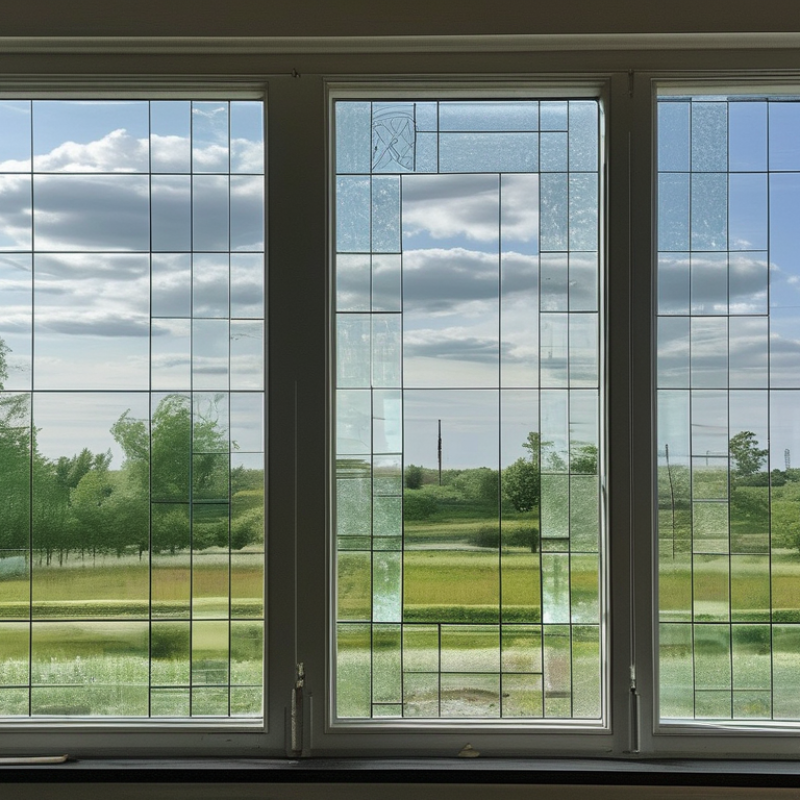
Energy-efficient windows play a crucial role in reducing energy consumption in homes and buildings. According to the U.S. Department of Energy, about 25-30% of a home's heating and cooling energy can be lost through windows. This loss can significantly increase utility bills and drive up your carbon footprint.
Upgrading to energy-efficient windows can help combat this issue. These windows typically use advanced glazing techniques, low-emissivity (Low-E) coatings, and gas fills to enhance insulation. A study from the National Renewable Energy Laboratory shows that switching to energy-efficient models can reduce energy costs by 15-20%. This reduction not only benefits homeowners financially but also contributes to environmental sustainability.
Tips for selecting energy-efficient windows include looking for the ENERGY STAR label, which ensures good performance standards. Consider triple-pane windows for better insulation, particularly in colder climates. It’s essential to choose windows that match your local climate, as this can affect their performance. Remember, the initial investment might seem high, but the long-term savings can outweigh the costs. Reflect on how your choices today shape energy savings tomorrow.
Energy efficient windows significantly influence home heating and cooling costs. These windows are designed to minimize heat loss in winter and keep homes cool in summer. Their unique construction often includes multiple panes and gas fills that enhance insulation.
Properly installed energy efficient windows can reduce energy bills by up to 30%. However, not all homes are suited for every type of energy efficient window. Homeowners need to assess their local climate, home orientation, and existing insulation. It’s also crucial to ensure that installation is done correctly to maximize benefits. Misalignment or air leaks can undermine energy efficiency.
Investing in energy efficient windows may come with higher upfront costs, but the long-term savings often justify the expense. It’s essential to evaluate cost versus performance. Homeowners should seek credible information from experts before making a decision. The wrong choice could lead to continued high energy expenses.
| Reason | Impact on Heating Costs | Impact on Cooling Costs | Estimated Annual Savings ($) |
|---|---|---|---|
| Improved Insulation | Reduces heat loss in winter | Minimizes unwanted heat gain | $300 |
| UV Protection | Prevents furniture fading | Reduces cooling load | $150 |
| Noise Reduction | Improves comfort in winter | Creates a more peaceful home | $100 |
| Increased Property Value | Attracts buyers in colder climates | Appeals to energy-conscious buyers | $500 |
| Reduced Condensation | Minimizes mold and mildew | Improves indoor air quality | $75 |
Energy efficient windows play a crucial role in enhancing indoor comfort levels. According to the U.S. Department of Energy, windows account for about 25% to 30% of residential heating and cooling energy use. Poorly insulated windows can make indoor spaces uncomfortable. In contrast, energy efficient windows reduce temperature fluctuations, allowing for a more stable indoor environment.
These windows minimize drafts and optimize natural light without excessive heat gain. A study by the National Renewable Energy Laboratory highlights that homes with high-performance windows can save between 7% and 15% on energy bills. Temperature regulation is vital. Homeowners often overlook the discomfort caused by fluctuating temperatures leading to increased stress levels. Research indicates that maintaining a consistent indoor temperature enhances not just comfort but also productivity.
However, achieving efficient insulation requires thoughtful selection. Not all energy-efficient windows are created equal. Misleading marketing can lead to confusion. Homeowners should ensure they are informed about window ratings, like the NFRC label. Reflecting on these choices is essential; the initial cost of upgrading may be high. Yet, the long-term benefits to both comfort and energy savings are substantial.
Energy efficient windows play a crucial role in promoting environmental sustainability. They are designed to minimize heat transfer, which reduces the energy needed for heating and cooling. This efficiency leads to a lower carbon footprint. By using less energy, homes contribute to a cleaner air quality and less pollution from power plants.
Furthermore, these windows can help reduce the demand for fossil fuels. This shift not only minimizes ecological damage but also conserves natural resources. For instance, a household that switches to energy efficient windows may cut energy consumption by 20-30%. This decrease significantly lowers greenhouse gas emissions.
However, not every window labeled as energy efficient meets high standards. Homeowners must consider their local climate and specific needs. It's essential to research and seek products that genuinely perform well. Awareness and education on proper installation and maintenance are also vital. Without them, the potential benefits of energy efficient windows may not be fully realized.
Investing in energy-efficient windows can lead to significant long-term savings. These windows minimize heat loss in winter and reduce heat gain in summer. As a result, homeowners can rely less on heating and cooling systems, cutting energy bills significantly over time. A household can save $hundreds of dollars each year, which adds up to thousands over the window’s lifespan.
However, the initial investment may seem daunting. Many homeowners hesitate, unsure if the cost is worth it. Yet, consider this: energy-efficient windows can enhance property value. They attract eco-conscious buyers who appreciate sustainable living. This added appeal can make a home more competitive in the market.
Monitoring energy consumption becomes easier with these windows. Homeowners can track longer-term savings more effectively. Not everyone realizes the hidden costs of traditional windows, from drafts to moisture issues. Investing in better options pays off, but the mindset must shift away from immediate gratification. It requires reflection on long-term benefits rather than short-term expenses.
: Energy-efficient windows are designed to reduce energy loss and improve insulation in homes.
About 25-30% of heating and cooling energy can escape through regular windows.
They can reduce energy costs by 15-20% and enhance indoor comfort.
They minimize drafts and maintain stable indoor temperatures, reducing temperature fluctuations.
Although the upfront cost is higher, long-term savings on energy bills can be substantial.
Check for the ENERGY STAR label and consider window performance ratings like NFRC.
Yes, they attract eco-conscious buyers and can make your home more competitive in the market.
Some may not realize that not all options provide the same level of energy savings.
Tracking energy consumption before and after installation can help assess savings effectively.
Shift focus from immediate costs to long-term benefits for comfort and financial savings.
Energy efficient windows play a crucial role in modern homes by significantly reducing energy consumption. One of the primary reasons why are energy efficient windows important is their impact on heating and cooling costs. By minimizing heat loss in winter and heat gain in summer, these windows help maintain stable indoor temperatures, resulting in lower energy bills for homeowners. Additionally, they enhance indoor comfort levels, as they prevent drafts and reduce noise pollution, creating a more pleasant living environment.
Furthermore, energy efficient windows contribute to environmental sustainability by decreasing the overall energy demand, which in turn reduces greenhouse gas emissions. Investing in these windows not only leads to long-term financial savings but also promotes a healthier planet. With the rising awareness of environmental issues, homeowners are increasingly recognizing the value of energy efficient windows as a wise investment for both comfort and eco-friendliness.

Wright Windows