How Long Do Windows Last for Global Buyers?

Time:2026-06-16 Author:Liam
0%

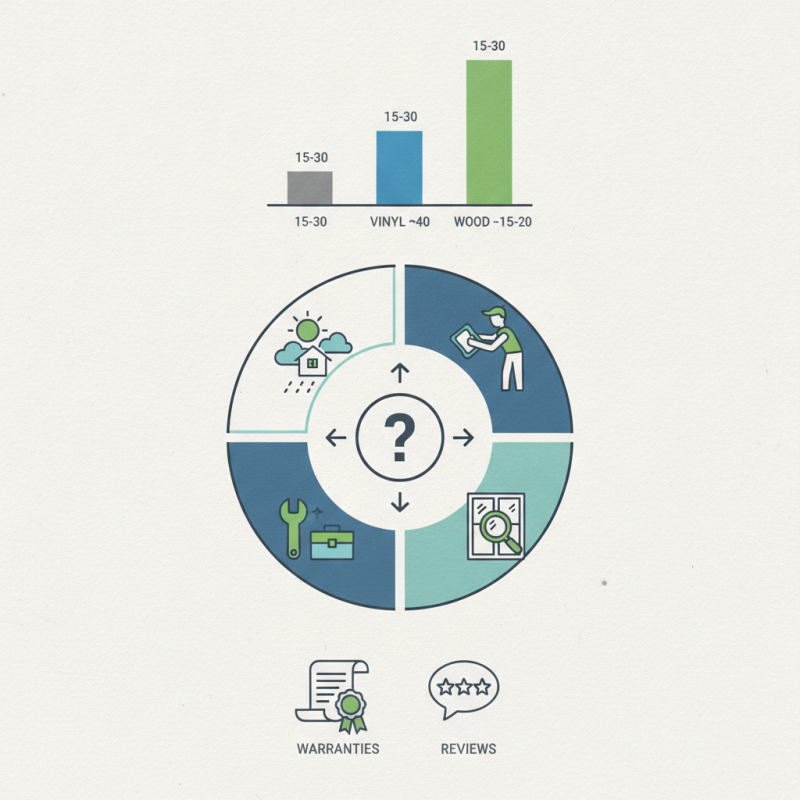
The question of "how long do windows last" is critical for homeowners and builders alike. According to the National Association of Home Builders, the lifespan of quality windows can range from 15 to 30 years, depending on materials and installation quality. Vinyl windows may last up to 40 years, while wood windows typically have a shorter life span.

Many factors influence a window's durability. Regional climate conditions, maintenance routines, and installation specifics all play a role. For instance, windows in harsh climates may deteriorate faster than those in milder areas. Moreover, regular maintenance can extend a window's life considerably, yet many homeowners neglect this.

Despite existing data, the variability in materials and craftsmanship raises questions. Some windows might fail before the suggested lifespan due to subpar installation or manufacturing flaws. This uncertainty prompts buyers to consider warranties and reviews. Ultimately, understanding how long windows last requires weighing multiple factors for informed purchasing decisions.
How Long Do Windows Last for Global Buyers?

Factors Affecting the Lifespan of Windows in Different Climates

When considering how long windows last, climate plays a critical role. According to the American Architectural Manufacturers Association, the average lifespan of windows can vary significantly based on environmental factors. In arid climates, where UV exposure is intense, windows may fade and degrade faster than in cooler regions. For instance, a well-maintained window in a temperate climate can last up to 30 years, while those in harsher environments may need replacement after just 15 years.

Humidity levels also influence durability. High humidity can lead to mold and mildew, affecting window frames and seals. Wood frames, in particular, are susceptible to warping. A study by the National Oceanic and Atmospheric Administration highlights that homes near coastal areas face shorter window lifespans. Salt air contributes to corrosion and degradation.

Tips: Regular cleaning can extend the life of your windows. Remove dirt and debris that can promote rot or deterioration. Consider using protective coatings for added defense against the elements. Be mindful of signs of wear, such as drafts and condensation between the panes, as they can indicate the need for replacement. Keeping an eye on these factors ensures your windows remain functional and visually appealing.

Common Materials Used in Windows and Their Durability

When considering window materials, durability varies significantly. Many homeowners choose materials like vinyl, wood, aluminum, and fiberglass. Each type has its pros and cons.

Vinyl windows are popular for their resistance to moisture and low maintenance needs. They can last up to 20-40 years. However, their appearance may fade over time. Wood windows bring elegance and classic beauty. Yet, they require regular upkeep and can rot if not maintained properly.

Aluminum windows are durable and resistant to the elements. They may not insulate as well as other materials, which can lead to energy inefficiencies. Fiberglass windows offer excellent insulation and durability, lasting up to 50 years. But, they can come at a higher cost.

Tips: Consider your local climate when choosing materials. In humid areas, moisture-resistant options are crucial. Regular maintenance can enhance wooden window longevity. Assess the balance between aesthetics and practicality. Your choice should reflect your lifestyle and environment.

Maintenance Practices to Extend Window Longevity

Proper maintenance is essential to extend the longevity of windows. Regular cleaning helps prevent dirt buildup and potential damage. Use a gentle soap solution and soft cloths to clean glass surfaces. Pay attention to the frames and sills as well, ensuring they are free from debris. Non-abrasive methods are crucial to avoid scratches or wear.

Inspecting seals and weather stripping is equally important. Over time, these components can wear down, leading to energy loss. A visual check can reveal gaps or cracks that need addressing. Prompt repairs can prevent more significant issues down the line. When you notice minor problems, consider addressing them before they escalate.

Proper drainage is vital too. Ensure that window wells and drainage systems are clear. This prevents water accumulation that can lead to rot or mold. Regular checks after heavy rain can be beneficial. It’s easy to overlook these details, but they make a difference in longevity. Always reflect on your maintenance habits. Are they enough? Small adjustments can lead to lasting benefits.

Signs That Indicate It's Time to Replace Your Windows

When it comes to windows, recognizing the signs that it’s time for a replacement is crucial. Cracks, leaks, or gas between panes are all clear indicators. If you notice condensation inside the glass, that’s another red flag. These issues not only affect aesthetics but also energy efficiency. Drafts may signal gaps that can result in increased heating or cooling costs.

Tips for identifying when to replace your windows:
Check for moisture accumulation between the panes. If it persists, consider a replacement. Inspect the frame for peeling paint or rotting wood. This may lead to structural issues if ignored. Lastly, consider your energy bills. A consistent rise might suggest window inefficiencies.

Keep in mind that the lifespan of windows varies. Factors such as material, climate, and maintenance play a role. Even durable windows may not last indefinitely. Regular inspection is essential to catch minor issues before they escalate. You may notice some areas of your home are cooler or hotter than others, indicating potential window problems.

Cost Considerations for Window Replacement Across Global Markets

When considering window replacement, costs can vary widely across global markets. Factors such as material, design, and energy efficiency play significant roles in pricing. For example, vinyl windows may be less expensive in some regions compared to wood alternatives. Yet, wood windows offer aesthetic appeal, which might justify their higher price in certain markets.

Labor costs can also significantly impact overall expenses. In countries with higher wage rates, installation may consume a larger portion of your budget. It's important to factor in local economic conditions. Some regions might experience shortages in skilled labor, leading to higher installation costs.

Market competition affects pricing too. In areas with numerous suppliers, consumers often benefit from lower prices. However, if you live in a remote locale, options may be limited, driving prices up. Understanding these dynamics can be overwhelming. Each buyer should research their local market carefully before committing to a costly replacement.

Global Window Lifespan and Replacement Cost Analysis

FAQS

: What materials are commonly used for windows?

: Common materials include vinyl, wood, aluminum, and fiberglass. Each has distinct pros and cons.

How long do vinyl windows typically last?

Vinyl windows can last between 20 to 40 years. However, they may fade over time.

Why are wood windows appealing?

Wood windows offer classic beauty and elegance. They do require regular maintenance to prevent rotting.

What should I consider when choosing window materials?

Consider your local climate. Moisture-resistant materials are essential in humid areas.

How can I maintain my windows properly?

Regular cleaning is important. Use a soft cloth and gentle soap solution to avoid scratches.

When should I inspect my window seals?

Inspect window seals regularly. Look for cracks or gaps that can lead to energy loss.

What are signs my windows need replacing?

Signs include cracks, leaks, and condensation between the panes. Drafts can also indicate issues.

How often should I check my windows after heavy rain?

Regular checks are beneficial after heavy rain. Ensure drainage systems are clear to prevent water damage.

What role do energy bills play in window assessment?

Rising energy bills may indicate window inefficiencies. Monitor them for unusual spikes.

How can minor problems escalate with windows?

Ignored issues like small leaks can become significant over time. Regular inspection can prevent this.

Conclusion

The article titled "How Long Do Windows Last for Global Buyers?" explores the various factors that influence the lifespan of windows across different climates. Key considerations include the materials used in window manufacturing, such as wood, vinyl, and aluminum, each presenting varied durability and maintenance requirements. Additionally, incorporating effective maintenance practices can significantly extend window longevity, while recognizing the signs that indicate it’s time for a replacement is crucial for homeowners.

Furthermore, the article discusses cost considerations for window replacement, highlighting that prices can vary based on market conditions and regional factors. By understanding how long do windows last, buyers can make informed decisions regarding their window investments, ensuring they choose products suited to their environmental conditions and personal maintenance capabilities.

Liam

Liam

Liam is a dedicated marketing professional with a profound expertise in the industry, where he excels at highlighting the unique advantages of our core products. With a keen understanding of market trends and consumer needs, Liam frequently updates our company’s professional blog, providing......