Explore our flagship engineered opening solutions, designed for demanding architectural, commercial, and heavy industrial applications worldwide.
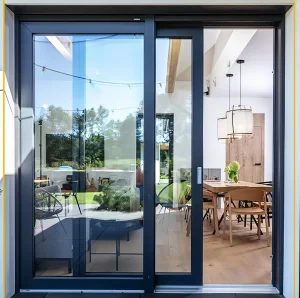
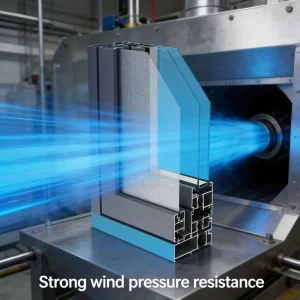
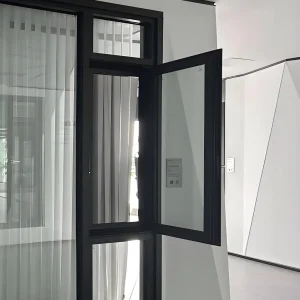
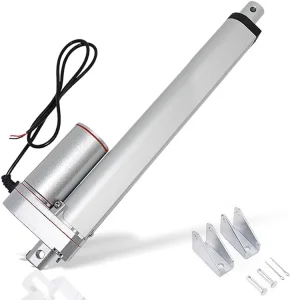
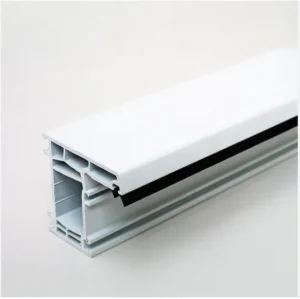
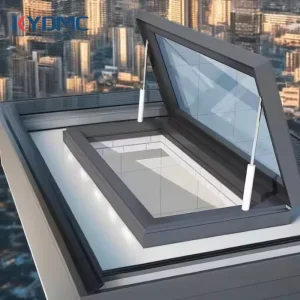
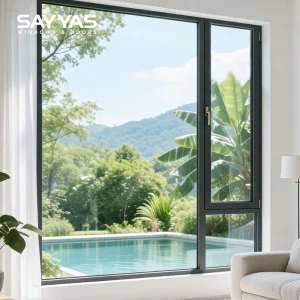
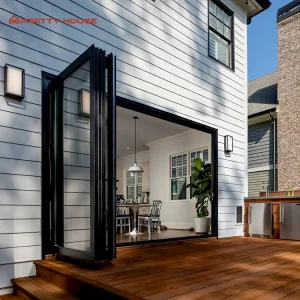
Proven performance standards across industrial, commercial, and specialized infrastructure environments worldwide.
In the modern era of rapid global industrialization, intelligent logistics, and stringent green building energy codes, the boundary opening systems of facilities—encompassing industrial doors, high-speed sectional barriers, thermal break glazing, and automated fenestration—have transitioned from passive architectural elements to critical operational assets.
Modern industrial hubs, cold-chain distribution nodes, and automated high-bay warehouses require rigorous thermal containment. Advanced industrial sectional doors and high-insulation fenestration systems utilize polyamide thermal breaks (PA66GF25), injected polyurethane core insulation (density > 48 kg/m³), and multi-chambered EPDM perimeter seals. This structural design mitigates thermal bridging, minimizes HVAC energy consumption, and maintains precise internal room temperatures across extreme ambient gradients.
In high-throughput manufacturing and logistics environments, cycle efficiency directly influences ROI. High-speed roll-up doors operating at velocities up to 2.5 m/s, paired with smart radar sensors and vector-controlled frequency drives, reduce opening cycles, eliminate forklift congestion, and safeguard internal cleanroom air pressures. High-durability torsion spring mechanisms and direct-drive gearboxes ensure continuous 500,000+ cycle performance with zero unscheduled downtime.
As industrial complexes expand in coastal zones, extreme hurricane regions, and high-seismic geographic sectors, doors and commercial window envelopes must resist massive positive and negative wind pressures. Heavy-duty extruded aluminum profiles (6063-T6 temper) and reinforced double/triple laminated tempered glass panels deliver structural integrity exceeding 5500 Pascals, conforming to international standards such as ASTM E330, EN 12424, and AS2047.
China has established itself as the global epicenter for precision aluminum extrusion, advanced fenestration manufacturing, and automated industrial door production. The synergy of integrated raw material supply, robotized processing, and economies of scale provides unparalleled cost-to-performance advantages for global procurement entities.
China's industrial door and window manufacturing hubs benefit from localized access to high-grade primary aluminum ingots, world-class fluorocarbon (PVDF) coating facilities, and specialized hardware fabrication. By controlling the supply chain from billet casting and extrusion to automated anodizing and assembly, manufacturers eliminate multi-tier distributor markups while maintaining total quality control over metallurgic compositions and coating thickness metrics (> 25 microns for outdoor durability).
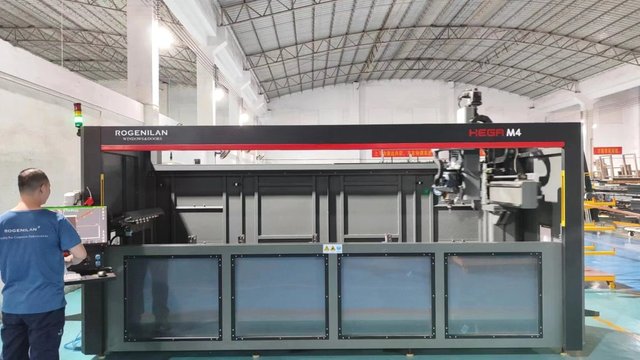
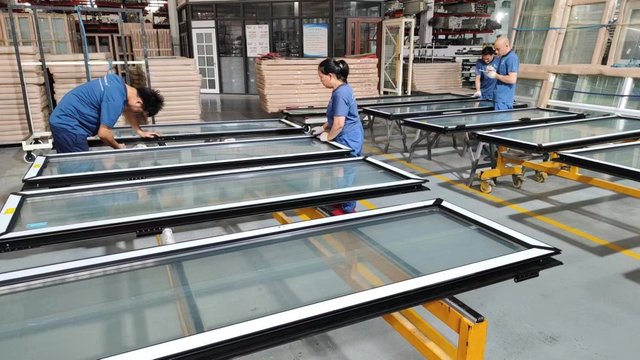
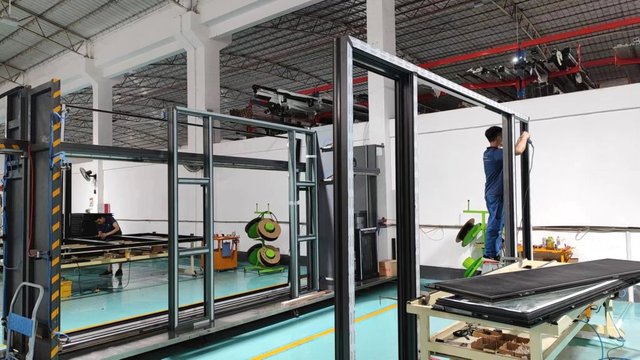
Leading Chinese exporters deploy 5-axis CNC machining centers, automated corner-crimping cells, and robotic laser welding stations. This digital precision guarantees dimensional tolerances within ±0.5mm across massive structural door panels and floor-to-ceiling curtain wall profiles. Automated glazing lines ensure structural silicone bonding (IGU double seal) complies with rigorous structural load ratings and long-term argon gas retention standards (> 90% concentration over 20 years).
Top-tier Chinese OEM/ODM exporters design and test their product ranges specifically to meet or exceed regional building standards globally. Products undergo third-party testing for CE marking, NFRC thermal performance ratings, Florida Product Approval (hurricane impact), AS2047 Australian window standards, and ISO 9001/14001 operational quality management system audits.
Industrial door systems and thermal-break architectural windows are engineered to solve specific operational, environmental, and structural challenges across diverse sector verticals.
Operating in environments with temperatures ranging from -30°C to +4°C, these facilities require heavy-duty thermal barrier doors with integrated heating cables within the frame tracks to prevent frost formation. High-density PU foam core panels paired with dual-layer perimeter gaskets maintain absolute thermal isolation, preventing condensation build-up and reducing compressor loads.
In sterile environments, pressure differential maintenance and particulate control are paramount. Seamless smooth-surface PVC or stainless steel high-speed roll-up doors with flush glazing windows prevent dust accumulation, withstand aggressive chemical sterilization routines, and feature self-repairing zipper guides to recover automatically from accidental vehicle impacts.
Modern commercial complexes demand seamless indoor-outdoor transition, high acoustic damping (STC > 42 dB), and solar radiation control. Thermal break aluminum casement, vertical guillotine, and bifold glass doors equipped with low-emissivity (Low-E) double or triple glazing offer architectural elegance paired with structural resistance against heavy urban wind forces.
Luxury residential properties in coastal and island environments demand hurricane impact resistance combined with ultra-clear panoramic views. Heavy-duty aluminum sliding and tilt-turn window systems utilize multi-point locking hardware, SentryGlas® interlayer laminates, and corrosion-resistant powder coatings to withstand salt-spray exposure (ASTM B117 > 3000 hours testing).
Healthcare facilities require UPVC and aluminum window-door profiles that maximize natural light transmission while providing superior sound insulation, fire resistance, and effortless hygienic maintenance. Multi-slide and tilt-turn systems offer controlled trickle ventilation without compromising patient safety or interior security.
Extremely large clear spans in aircraft hangars, shipyard bays, and crane logistics workshops require heavy-duty telescopic sliding doors or extra-wide sectional doors equipped with redundant cable-break safety devices, anti-drop safety brakes, and high-torque industrial motor drives.
Evaluating industrial door manufacturers and fenestration suppliers requires a systematic analysis of key performance metrics, material specifications, and engineering compliance parameters.
Quantify thermal insulation via U-Factor (W/m²K or Btu/h·ft²·°F). Lower values indicate superior resistance to conductive heat transfer. Combined with Low-E glass coatings, optimized SHGC values allow winter solar thermal gain while reflecting high-angle summer infrared radiation, drastically reducing total building lifecycle operational costs.
For commercial spaces and multi-family residential towers adjacent to busy transport corridors or industrial plant noise, opening systems must specify Sound Transmission Class (STC) ratings. Incorporating asymmetric glass thickness combinations (e.g., 6mm + 12Ar + 8mm laminated) disrupts acoustic wave resonance, lowering noise levels by up to 45 dB.
Ensure structural calculations account for localized design wind speed (m/s) and site exposure categories. Test protocols (EN 12208 for water tightness, EN 12210 for wind resistance) confirm whether profile wall thickness (1.4mm to 3.0mm structural grade) and internal steel/aluminum reinforcements satisfy structural deflection limits (L/175 or L/250).
Modern industrial and architectural openings rely on smart drive automation. Enterprise buyers should evaluate motor duty cycles (100% continuous duty rating), IP protection ratings (IP65 for washdown zones), encoder position feedback systems, and compatibility with Modbus, BACnet, or smart home automation protocols for central facility monitoring.
The industrial door and window fenestration sector is undergoing a technology-driven evolution centered around digital connectivity, dynamic solar management, and sustainable materials science.
Next-generation industrial motor drives feature integrated IoT connectivity modules that continuously log operating cycles, motor winding thermal profiles, vibration spectrums, and brake wear metrics. AI-driven cloud algorithms analyze telemetry data to predict component wear before failure occurs, dispatching maintenance alerts automatically to reduce facility operational risks.
Building-Integrated Photovoltaics (BIPV) and motorized solar-powered internal louvers represent a breakthrough in active energy harvesting. Windows now function as distributed clean power generators while dynamic shading blinds auto-adjust based on real-time solar tracking sensors, dramatically reducing cooling loads in zero-carbon building designs.
With global mandates prioritizing decarbonization, manufacturers are transitioning to 100% recyclable primary aluminum alloys extruded using hydro-electric or renewable energy sources (Low-Carbon Aluminum). Non-toxic UPVC formulations utilizing calcium-zinc (Ca/Zn) stabilizers replace traditional lead additives, achieving environmental compliance with REACH and RoHS standards.
Combining decades of precision engineering with world-class production capacity, Dongguan Wright Windows Co., Ltd. is a recognized leader in high-performance fenestration solutions and commercial access systems.
Dongguan Wright Windows Co., Ltd. is a professional China window manufacturer specializing in aluminum windows, UPVC windows, and energy-efficient window solutions for residential, commercial, and architectural construction projects worldwide. With a strong commitment to quality, innovation, and customer satisfaction, we provide high-performance window systems that combine durability, aesthetics, functionality, and energy-saving benefits.
Our comprehensive product portfolio includes aluminum windows, UPVC windows, thermal break windows, sliding windows, casement windows, awning windows, fixed windows, soundproof windows, and customized architectural window systems. Designed to meet modern building requirements, our products are widely used in residential communities, commercial complexes, office buildings, hotels, educational facilities, and large-scale construction developments.
At Wright Windows, we integrate advanced manufacturing technologies with professional engineering expertise to deliver window solutions tailored to diverse project specifications. Our experienced team supports customers throughout every stage of the project, from design consultation and material selection to production, quality inspection, and delivery. We work closely with architects, contractors, developers, distributors, and building material suppliers to ensure each solution meets both functional and aesthetic expectations.
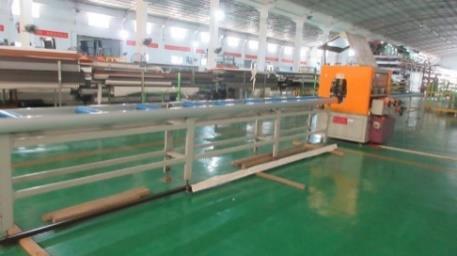
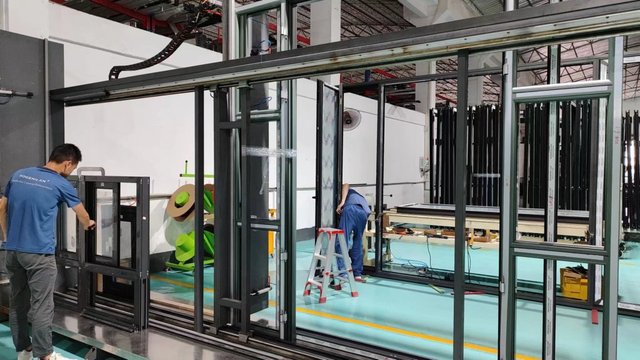
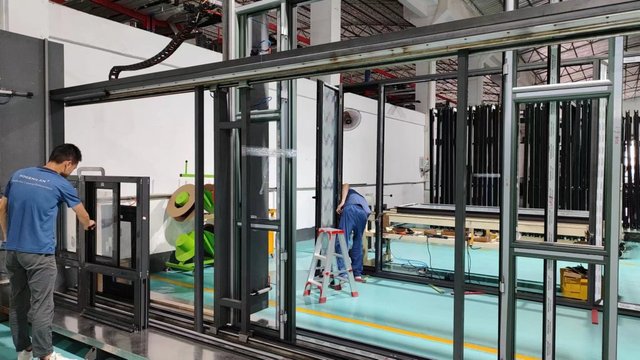
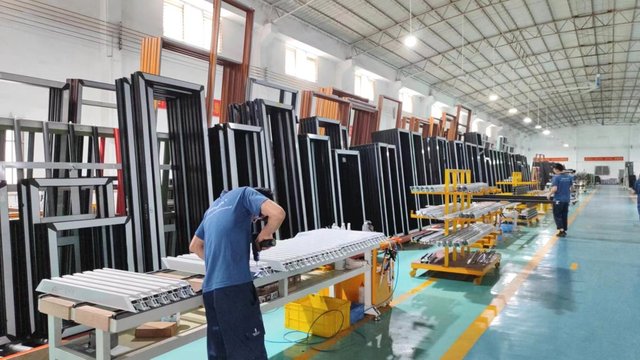
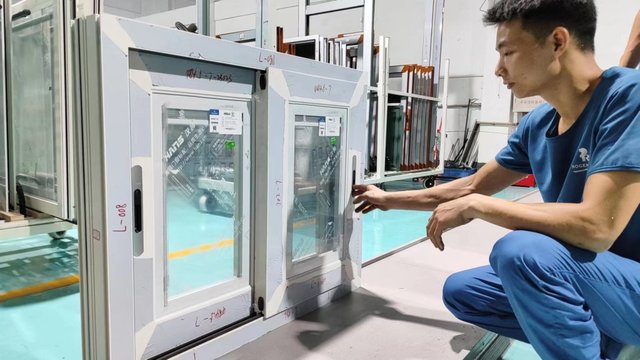
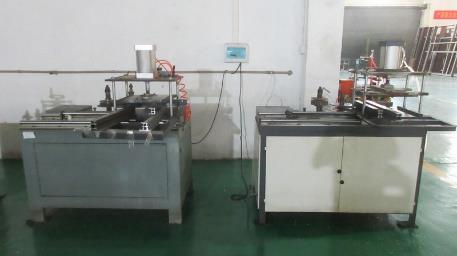
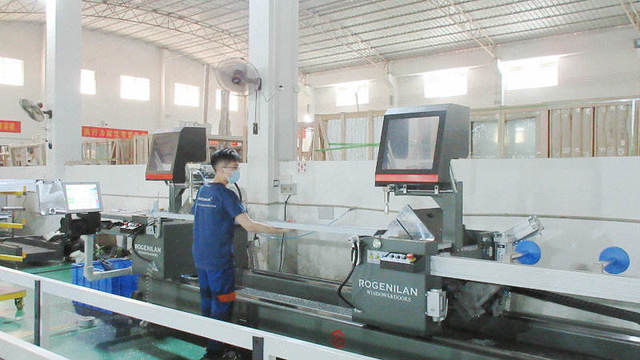
Quality is the foundation of our business. Our manufacturing facility is equipped with modern production equipment and strict quality management systems that ensure precision fabrication, structural reliability, and long-term performance. Every product undergoes rigorous testing and inspection to verify durability, weather resistance, thermal insulation, and operational efficiency.
In addition to standard product lines, Dongguan Wright Windows Co., Ltd. offers comprehensive OEM and ODM services, providing customized window solutions that support unique architectural concepts and branding requirements. Our flexible production capabilities allow us to accommodate both large-scale construction projects and specialized custom orders.
Serving customers across North America, Europe, Australia, the Middle East, Southeast Asia, and other global markets, Wright Windows is dedicated to delivering reliable window systems, competitive value, and professional service. Our mission is to become a trusted global partner for innovative, energy-efficient, and sustainable window solutions that enhance modern building performance and design.
Detailed answers to common engineering, procurement, and compliance questions asked by global contractors, architects, and procurement managers.
Discover additional premium options engineered for specialized structural requirements, acoustic isolation, and architectural elegance.
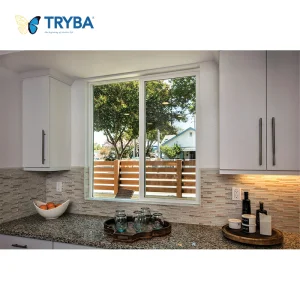
 Wright Windows