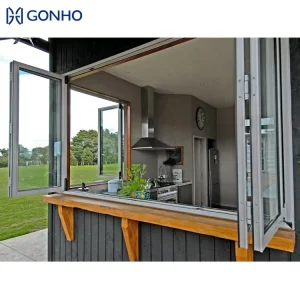
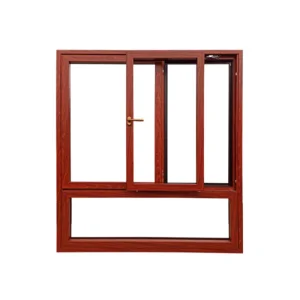
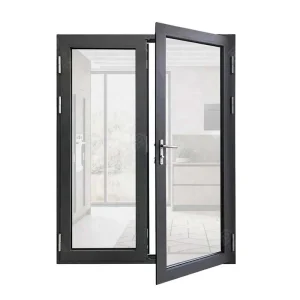
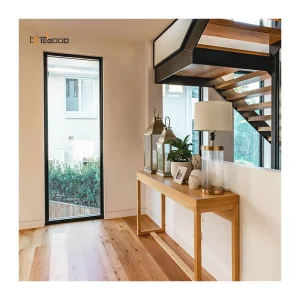
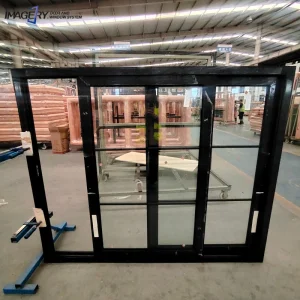
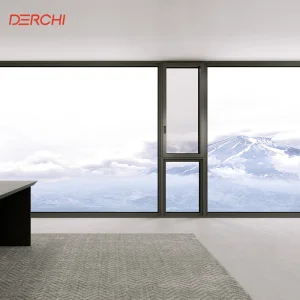
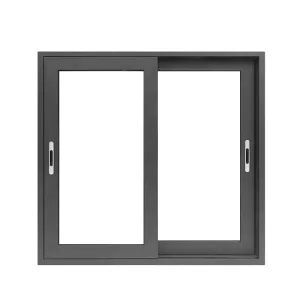
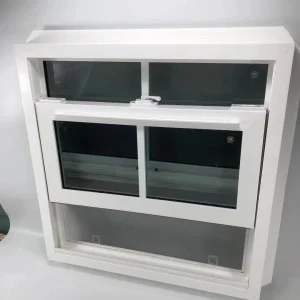
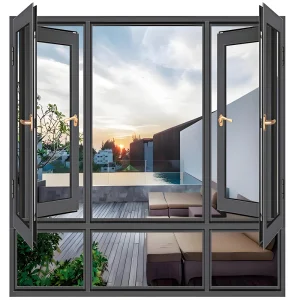
Engineered for extreme sound attenuation, thermal efficiency, and structurally tested safety margins.
Dongguan Wright Windows Co., Ltd. stands at the forefront of high-performance architectural envelope solutions. We operate as a premier Chinese window and door manufacturer specializing in standard and customized structural openings. Our expertise covers architectural aluminum systems, high-durability UPVC designs, and specialized soundproof profiles engineered to handle tough environmental noise. We serve residential, commercial, and industrial construction projects worldwide. We design products that balance sound isolation, energy conservation, wind load resistance, and clean modern styling.
For projects requiring specialized decibel isolation, we provide sound control systems designed to meet demanding sound-critical ratings. By combining dense framing profiles, modern multi-chamber extrusions, and specialized viscoelastic glass layups, our engineering team builds window and door systems that meet international sound transmission standards. We work closely with architects, general contractors, developers, and global supply partners to provide reliable, code-compliant acoustic systems.
Effective noise reduction requires managing sound energy transfer across a structural opening. Ordinary doors and windows often fail to block low and mid-frequency noises—like street traffic, aircraft flyovers, and industrial equipment—due to structural resonance. At Wright Windows, our designs target three main acoustic principles:
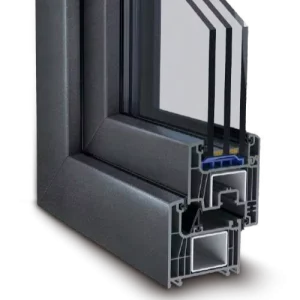
1. Optimized Mass and Multi-Layer Construction: Sound energy struggles to pass through high-density materials. Our acoustic systems use thick-walled aluminum extrusions and multi-chambered UPVC profiles, combined with custom multi-layered glass layups.
2. Damping Interlayer Technologies: Glass panels can resonate and allow sound through at specific frequencies. We solve this by using specialized PVB (Polyvinyl Butyral) or SentryGlas acoustic interlayers. These elastomeric layers absorb vibration and convert kinetic sound energy into trace heat.
3. Multi-Point Compression Seal Systems: Sound acts like water—if air can pass through a gap, sound will too. We design compression seals using custom EPDM gaskets and multi-point locking hardware to keep the frame airtight under pressure.
| Profile & Glazing Type | Standard STC Rating | Key Target Frequencies |
|---|---|---|
| Standard Single Glazing (6mm) | STC 28 - 30 | Low-frequency bypass |
| Double Glazed (6+12A+6) | STC 34 - 38 | Mid-frequency reduction |
| Triple Glazed (6+9A+6+9A+6) | STC 40 - 43 | Broadband attenuation |
| Acoustic PVB Laminated (6+0.76PVB+6) | STC 44 - 48+ | Critical high-frequency damping |
How we develop, test, and improve our acoustic systems to meet modern building requirements.
We integrate multi-chambered polyamide thermal breaks (PA66 GF25) into our aluminum systems. This reduces heat transfer and dampens internal sound wave propagation within the metal frames.
We use glass panes of different thicknesses (e.g., 6mm outer + 8mm inner) in our double and triple glazing. This helps prevent sympathetic vibration and eliminates common resonance dips.
We fill internal glazing spaces with high-density Argon gas. This slows down sound wave transmission compared to regular dry air and improves overall U-factor performance.
How our acoustic doors and window systems perform across different environments.
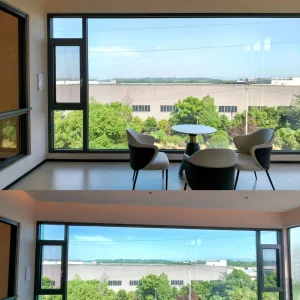
Urban high-rises and roadside villas face constant exposure to transportation noise. Our triple-glazed, soundproof casement and sliding systems reduce outside noise to a comfortable 30-35 dB inside, matching premium indoor acoustic standards.
Confidentiality is key for executive boardrooms, video production studios, and HR spaces. Our high-STC door and partition systems stop sound leaks, helping businesses meet ASTM privacy requirements.
Industrial sites, like pump houses, generator rooms, and manufacturing areas, require heavy-duty noise isolation. Our reinforced acoustic doors withstand high vibrations and protect workers from exposure to loud machinery noise.
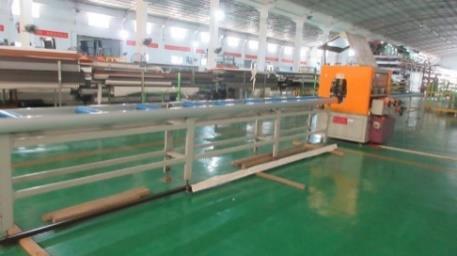
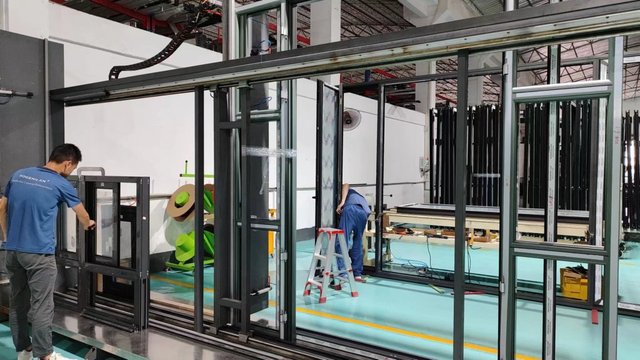
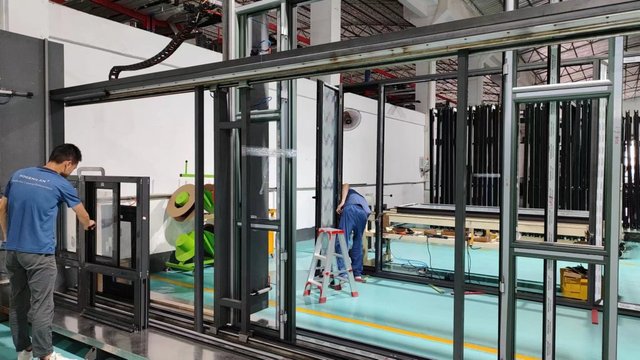
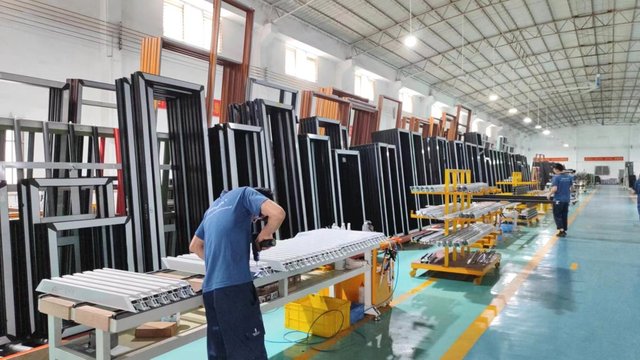
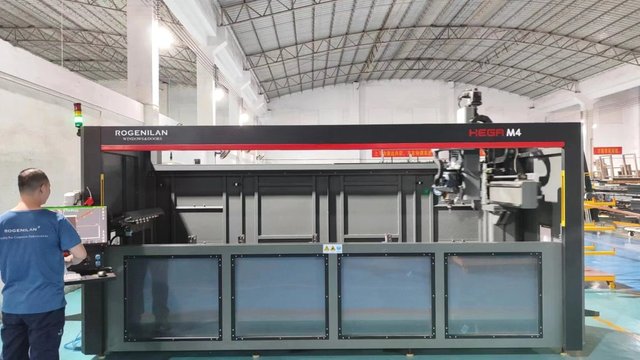
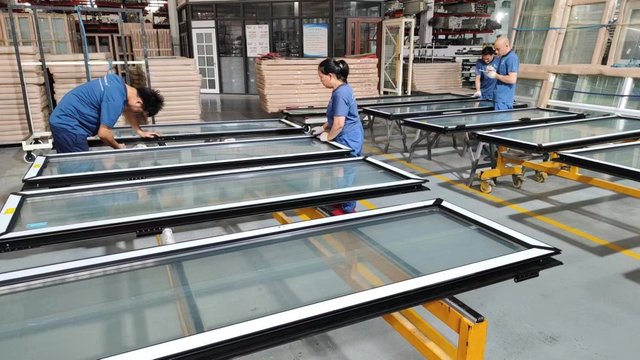
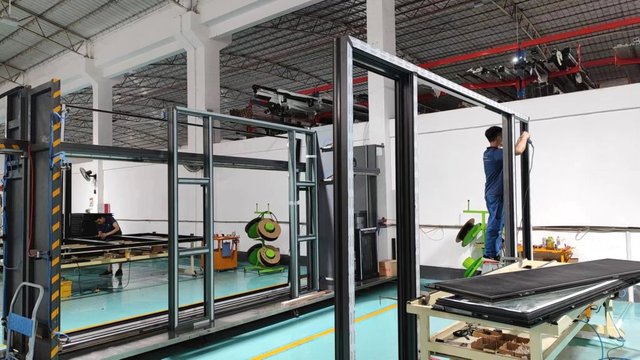
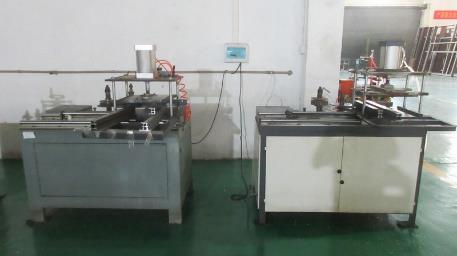
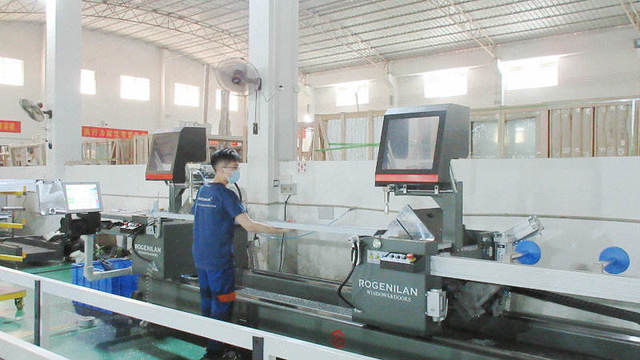
Based in the industrial manufacturing hub of Dongguan, Wright Windows runs a modern factory with advanced precision processing machinery. By keeping core production steps in-house—including aluminum extrusion processing, thermal break integration, multi-layer glass glazing, and final quality inspection—we maintain tight control over product quality.
This integration helps us offer competitive pricing and flexible turnaround times for complex custom projects. Our location also links us directly to premium hardware and component suppliers, ensuring stable material sourcing.
Our automated CNC milling equipment processes aluminum frames to within 0.1mm tolerances. This level of precision is necessary to maintain airtight, sound-tight gasket seals.
We use aging-resistant EPDM gaskets and heavy-duty multi-point locksets. These parts keep doors and windows pressed tight against their frames, preventing sound leaks over years of use.
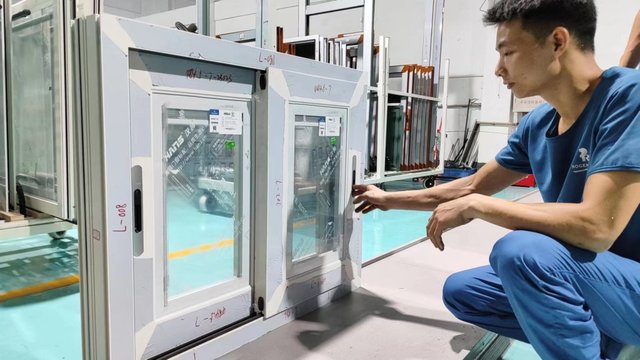
Our designs go through laboratory testing for air infiltration, water resistance, and sound attenuation to verify they perform under pressure.
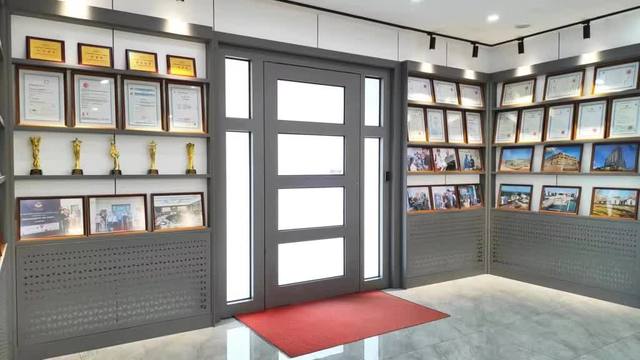
Our products are engineered and manufactured to meet building standards in diverse regional markets.
We design our systems to meet NFRC thermal performance standards and ASTM sound transmission requirements, helping projects earn points under LEED certification guidelines.
Our window and door profiles comply with EN ISO 140-3 sound measurement standards and feature full CE marking, ensuring they meet European performance and energy safety codes.
We configure our systems to handle high wind loads and harsh weather, meeting AS2047 structural requirements and AS1170 wind action codes for Australia and New Zealand.
Find answers to common questions about performance ratings, customization, and installation.
Select from our range of custom sliding, casement, and high-insulation window systems.
 Wright Windows