Engineered with precision thermal barriers and heavy-duty profiles to suit Canberra residential developments, modern custom builds, and retrofitting projects.
Understanding the engineering challenges of specifying structural glazed systems in the Australian Capital Territory (ACT).
Canberra presents a unique set of challenges for architects, developers, and builders. Characterized by an inland sub-alpine climate (Climate Zone 7 under the Building Code of Australia), the Australian Capital Territory experiences severe seasonal temperature swings. Overnight winter temperatures routinely plunge below freezing, while summers feature intense solar radiation and dry heat exceeding 40°C. Consequently, architectural components must act as active thermal modulators.
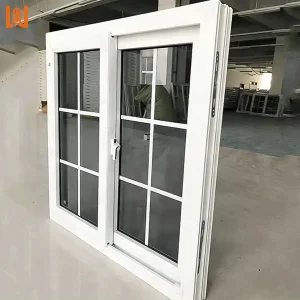
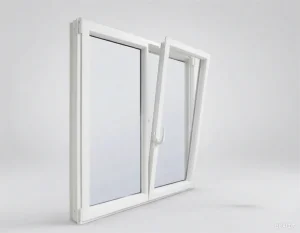
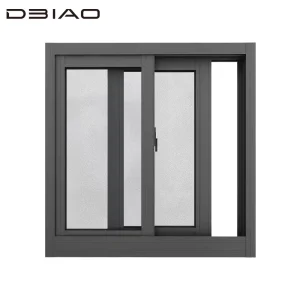
With the adoption of the updated National Construction Code (NCC 2022), new residential constructions in Canberra are mandated to achieve a minimum 7-star NatHERS (National House Energy Rating Scheme) rating. Windows represent the most vulnerable interface in a building envelope, historically accounting for up to 40% of conducted heat loss in winter and over 80% of heat gain in summer. As a leading manufacturer, Wright Windows designs advanced, thermally-broken aluminum sliding windows and multi-chamber UPVC systems engineered specifically to satisfy these strict energy efficiency guidelines while maintaining structural integrity.
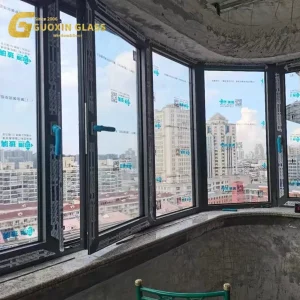
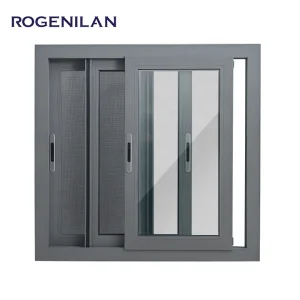
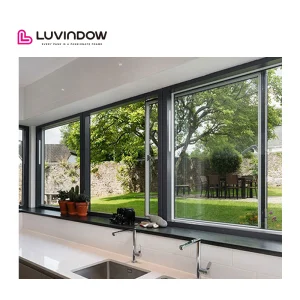
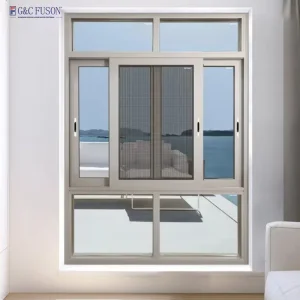
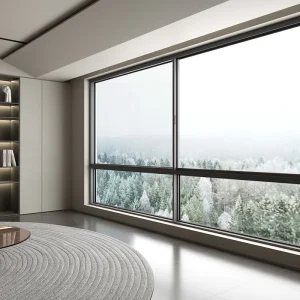
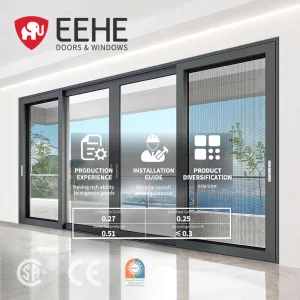
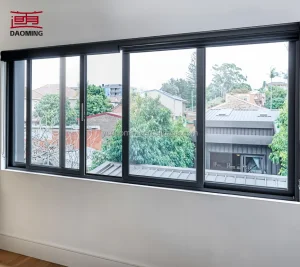
The application of sliding window systems in Canberra spans diverse architectural topologies. In modern suburbs like Denman Prospect and Whitlam, designers prefer wide-span sliding glass doors and horizontal sliding window configurations. These setups capture the expansive vistas of the Brindabella Ranges while optimizing passive solar heat gain during chilly winters. The mechanical requirement here is dual-action low-emissivity (Low-E) coatings placed strategically on the interior glass panes to trap warmth inside the home.
Conversely, for inner-north and inner-south urban infill projects—such as multi-residential medium-density apartments in Braddon or Kingston—acoustic insulation is as vital as thermal performance. For these configurations, our soundproof double and triple glazed sliding systems, paired with high-performance acoustic PVB interlayers and asymmetrical glass thicknesses, reduce street noise (Db drop values up to 45dB) while conforming strictly to the local precinct development plans.
How modern thermal insulation, structural engineering, and coating technologies combine to form high-performance window systems.
| Performance Class | Typical Profile Technology | Glazing Assembly | U-Value Performance | SHGC Range | |
|---|---|---|---|---|---|
| Standard Residential | Multi-Chamber UPVC / Non-TB Alu | 4mm Clear + 12Argon + 4mm Clear | 2.8 - 3.2 W/m²K | 0.55 - 0.65 | Ideal for sheltered urban projects |
| High-Performance Thermal Break | 24mm Polyamide Insulated Aluminium | 5mm Low-E + 16Argon + 5mm Clear | 1.6 - 1.9 W/m²K | 0.38 - 0.48 | Engineered for open residential spaces |
| Extreme Sub-Alpine Spec | Reinforced Multi-Chamber UPVC / Dual-Break | 4Low-E + 12Ar + 4Clear + 12Ar + 4Low-E | 0.9 - 1.2 W/m²K | 0.30 - 0.40 | Best for harsh mountain climates |
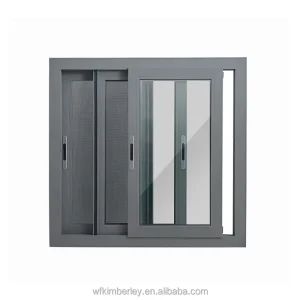
The technical roadmap for our sliding window platforms centers on eliminating the thermal bridge. Aluminum, while highly durable and structurally stable, is inherently conductive. To combat this, our thermal break technology introduces a low-conductivity polyamide insulating strip (PA66 GF25) reinforced with fiberglass between the interior and exterior aluminum profiles. This creates a barrier that drastically reduces heat transfer rates.
Furthermore, air infiltration is minimized through multi-tiered silicone-impregnated weather seals and specialized interlockings that resist the pressure differentials typical of high-rise developments in Woden and Belconnen. For projects requiring peak efficiency, we integrate triple-glazed configurations with double Low-E coatings, filled with 90% concentration Argon gas. This allows projects to achieve U-values well below the limits of standard local designs.
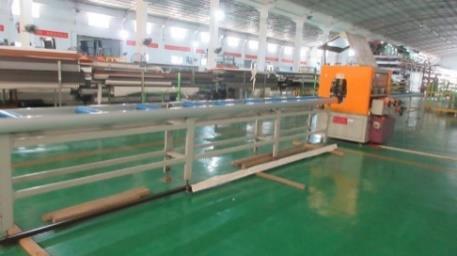
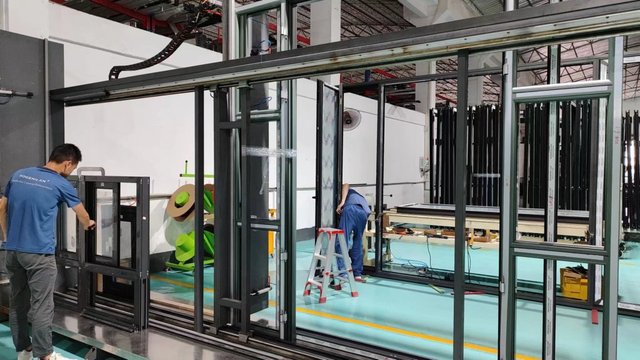
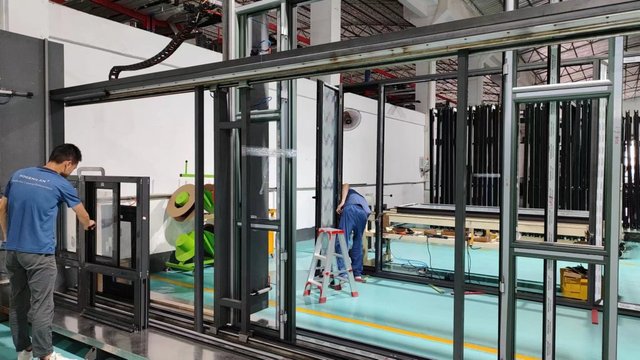
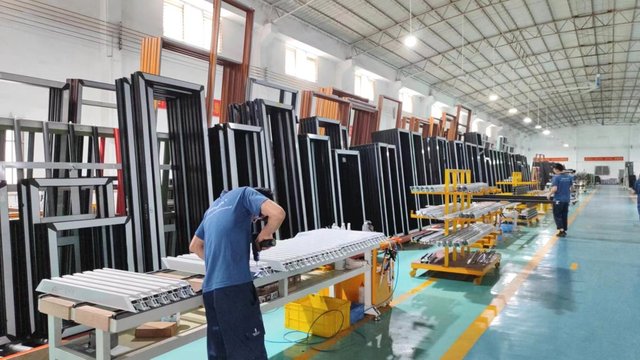
Leveraging state-of-the-art automation and global raw material sourcing in Dongguan to deliver project-ready window systems.
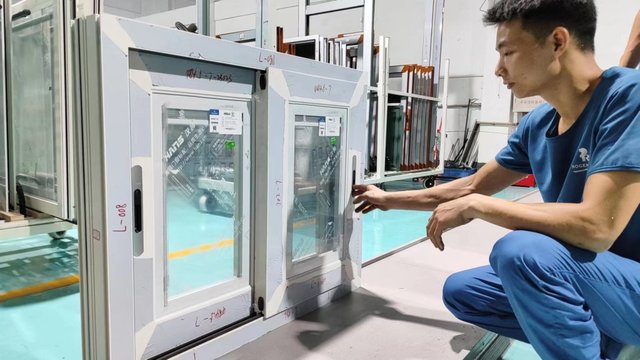
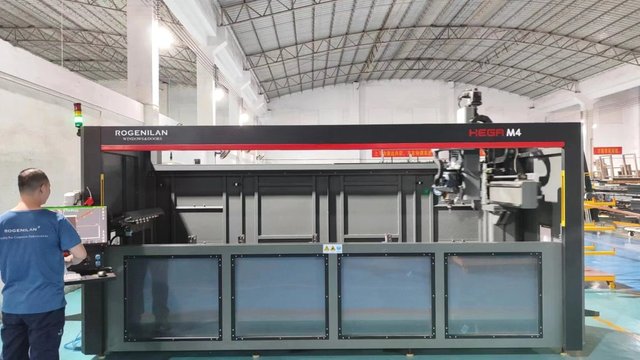
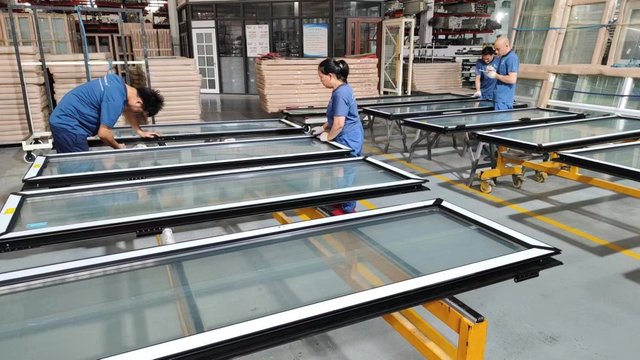
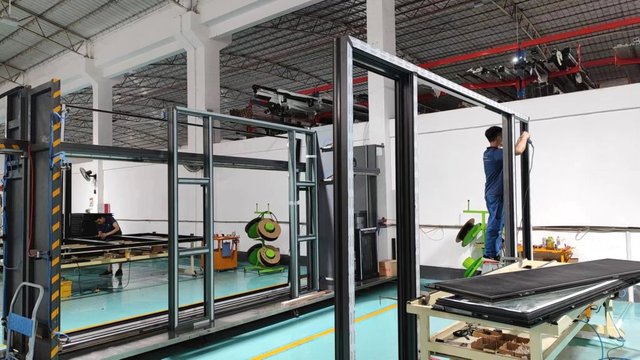
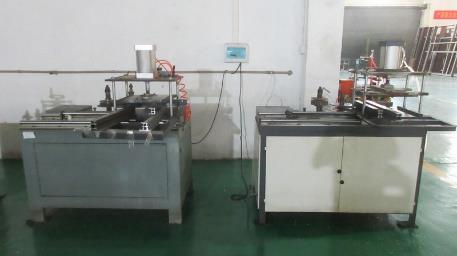
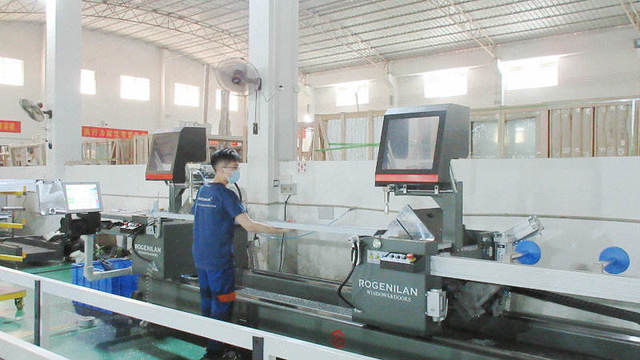
Our production floor uses robotic precision cutting centers and automated glazing lines, maintaining structural tolerances within 0.5mm across all window frames.
Every structural profile is tested to meet AS2047 standard requirements, ensuring safety, water penetration resistance, and high structural load capacities.
All exports to Australia are packed using custom timber crates, protective structural films, and moisture absorption packs to ensure zero transport damage.
Operating out of Dongguan, the manufacturing heart of high-precision architectural hardware, Dongguan Wright Windows Co., Ltd. offers a reliable supply chain. Our strategic location provides access to premium raw aluminum alloy (6063-T5/T6 grade) and advanced glass coatings. This enables us to maintain shorter lead times and more competitive pricing structures compared to domestic Australian fabricators.
Through robust quality control workflows, we inspect all stages of fabrication, including profile extrusion, surface anodization, powder coating (Qualicoat certified), glazing assembly, and hardware cycle-testing. For Canberra contractors facing tight project milestones, our optimized sea freight logistics to Sydney or Melbourne ports, coupled with reliable inland transport, ensures materials arrive safely and on schedule.
Ensuring all architectural glazed systems comply with the strict regulatory requirements of the Australian construction market.
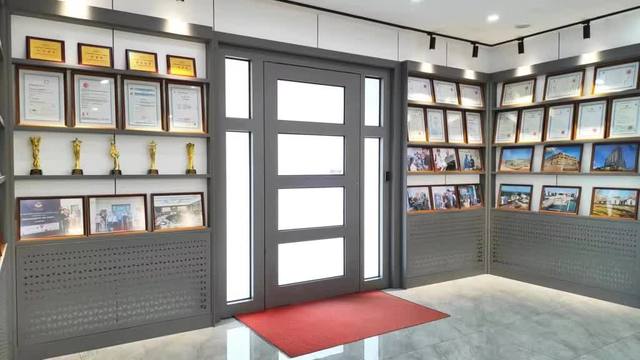
Entering the Australian construction market requires strict compliance with local building standards. Our products are fully engineered, tested, and certified to meet the following benchmarks:
Through our comprehensive OEM/ODM services, Wright Windows supports developers and builders from design and testing to final logistics. This structured approach helps ensure a seamless pathway to certification for complex commercial or custom residential builds in Canberra.
Explore our complete range of specialized structural profiles, heavy-duty window designs, and multi-chamber systems.
Answers to common structural and thermodynamic queries regarding window specification in the Australian Capital Territory.
 Wright Windows