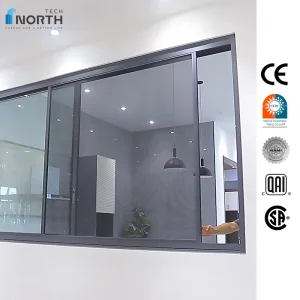
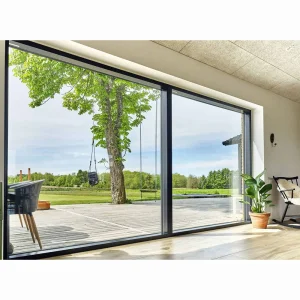
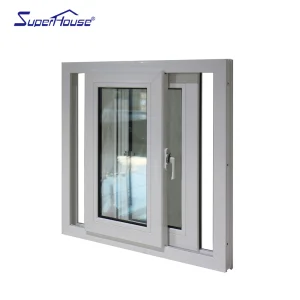
Explore our certified structural window and door systems designed for extreme climatic resistance and architectural precision.
A rigorous examination of building envelope physics, material thermal dynamics, and structural water tightness for modern architectural specs.
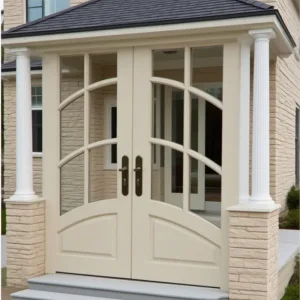
In modern architectural engineering, the exterior fenestration envelope represents the primary interface between environmental stressors and interior structural safety. CE Certified Weatherproof Doors Suppliers & Exporters operate under stringent regulatory frameworks to ensure that entrance structures, sliding doors, and architectural window assemblies maintain structural integrity under extreme pneumatic, thermal, and hydrostatic pressures.
The European Standard EN 14351-1 mandates comprehensive initial type testing (ITT) and Factory Production Control (FPC) covering key parameters including water tightness, air permeability, resistance to wind load, acoustic insulation, and thermal transmittance values (U-factor). For high-rise commercial structures and luxury residential developments, specified fenestration products must demonstrate non-negotiable compliance to prevent systemic building envelope failures.
Unlike standard interior partitions, weatherproof exterior door systems require continuous multi-layer sealing geometry. Utilizing pressure-equalized drainage tracks, primary EPDM gaskets, and low-emissivity glass modules, CE-certified systems mitigate boundary layer turbulence and balance micro-pressure zones inside profile cavities, completely eliminating water ingress under severe storm conditions.
Dongguan Wright Windows Co., Ltd. stands as an industry leader in engineering high-performance architectural fenestration. By integrating precision thermal break extruded aluminum alloys (6063-T6), high-grade UPVC vinyl formulations, and multi-chamber polyurethane insulations, Wright Windows manufactures energy-efficient envelope solutions tailored to exact mechanical and aesthetic project requirements.
Custom structural design matrices calibrated for severe global environmental conditions.
Climatic Threat: Severe salt spray oxidation (ISO 9227 conditions), wind-driven rain, dynamic wind load pressure spikes (>4500 Pa).
Engineering Mitigation: Marine-grade 25-micron anodized aluminum profiles or PVDF fluorocarbon coatings combined with laminated impact-resistant glass (Miami-Dade NOA style compliance). Multi-point stainless steel (SUS316) locking hardware ensures structural perimeter compression.
Climatic Threat: Intense solar radiation, diurnal thermal shocks (+50°C to +10°C within 12h), fine particulate wind-blown dust storms.
Engineering Mitigation: UV-stabilized UPVC profiles and heavy-duty thermal break polyamide strips (PA66 GF25) prevent profile deformation. Triple-lip dust-sealing gaskets and double-glazed Low-E glass units with Solar Heat Gain Coefficient (SHGC) < 0.22.
Climatic Threat: Deep freezing cycles, frost heaving, massive interior-exterior thermal differentials, indoor condensation accumulation.
Engineering Mitigation: Warm-edge spacer technology coupled with Argon/Krypton filled triple glazing (U-values ≤ 0.75 W/m²K). Cryogenic-resistant EPDM gasket seals maintain elasticity down to -40°C without micro-cracking.
Climatic Threat: Acoustic pollution (traffic/industrial), structural deflection due to high-altitude stack effect, fire-spread containment.
Engineering Mitigation: Heavy structural wall aluminum extrusions (2.0mm–3.0mm thickness) with integrated acoustic PVB laminated interlayers achieving Sound Transmission Class (STC) ratings above 42 dB.
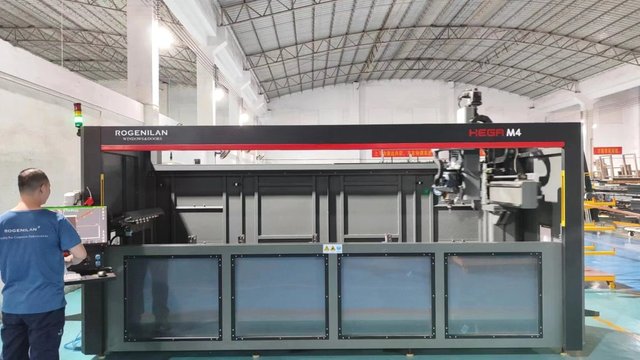
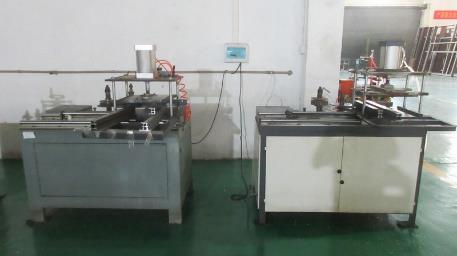
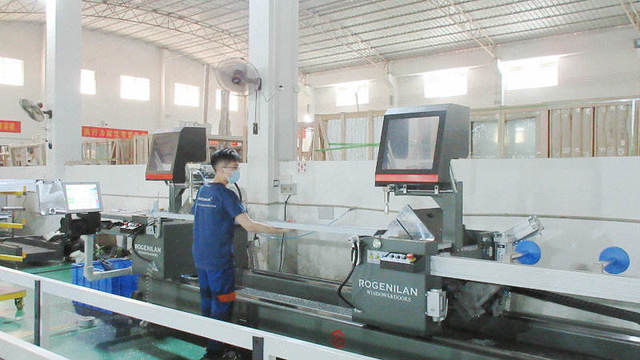
Combining the Pearl River Delta industrial ecosystem with advanced European automated processing technology.
Dongguan Wright Windows Co., Ltd. is a professional China window manufacturer specializing in aluminum windows, UPVC windows, and energy-efficient window solutions for residential, commercial, and architectural construction projects worldwide. With a strong commitment to quality, innovation, and customer satisfaction, we provide high-performance window systems that combine durability, aesthetics, functionality, and energy-saving benefits.
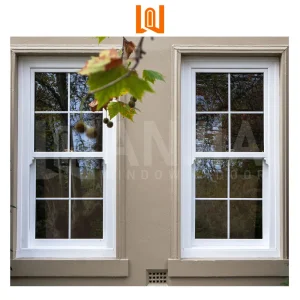
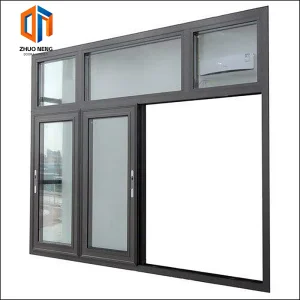
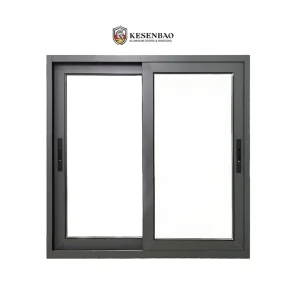
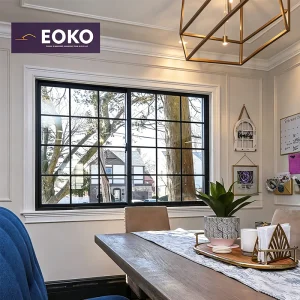
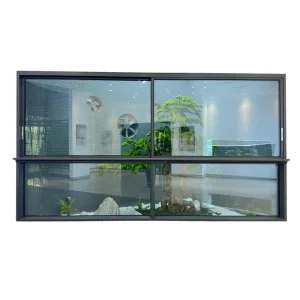
Our comprehensive product portfolio includes aluminum windows, UPVC windows, thermal break windows, sliding windows, casement windows, awning windows, fixed windows, soundproof windows, and customized architectural window systems. Designed to meet modern building requirements, our products are widely used in residential communities, commercial complexes, office buildings, hotels, educational facilities, and large-scale construction developments.
| Technical Parameter | Standard Residential Grade | Wright CE Weatherproof Grade | Testing Protocol / Compliance |
|---|---|---|---|
| Profile Material | Non-Thermal Aluminum / Recycled PVC | 6063-T6 Primary Aluminum / German Vinyl | GB/T 5237 / EN 755-2 |
| Thermal Break System | 14.8mm PVC Strips / None | 24mm - 34mm Polyamide PA66 GF25 | ISO 10077-2 / DIN 4108 |
| Air Permeability | Class 2 (300 Pa) | Class 4 (600 Pa High-Sealed) | EN 12207 / ASTM E283 |
| Water Resistance | 300 Pa - 450 Pa | E1050 (1050 Pa Static & Dynamic) | EN 12208 / ASTM E331 |
| Acoustic Damping | 25 - 30 dB | 38 - 46 dB (Acoustic Laminate Glass) | EN ISO 140-3 / ASTM E90 |
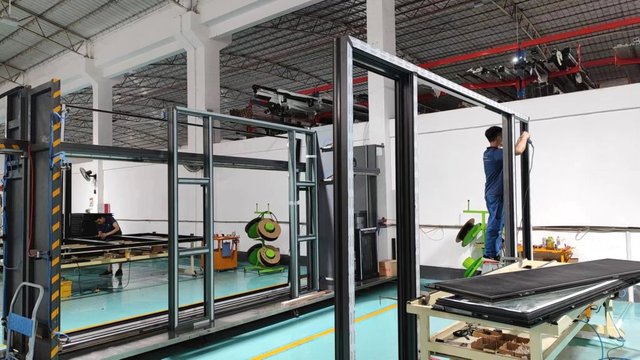
At Wright Windows, we integrate advanced manufacturing technologies with professional engineering expertise to deliver window solutions tailored to diverse project specifications. Our experienced team supports customers throughout every stage of the project, from design consultation and material selection to production, quality inspection, and delivery. We work closely with architects, contractors, developers, distributors, and building material suppliers to ensure each solution meets both functional and aesthetic expectations.
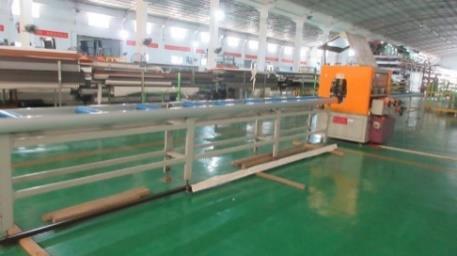
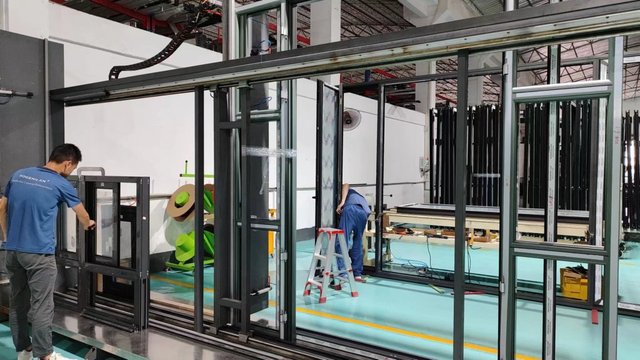
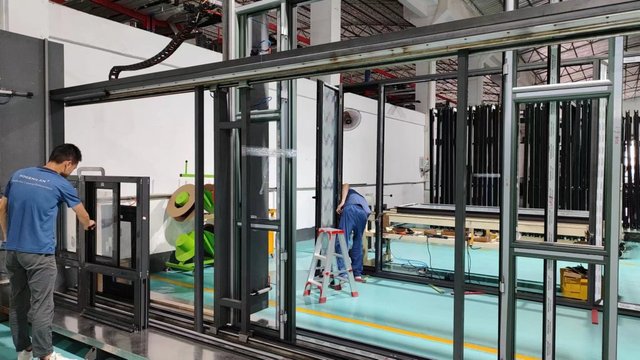
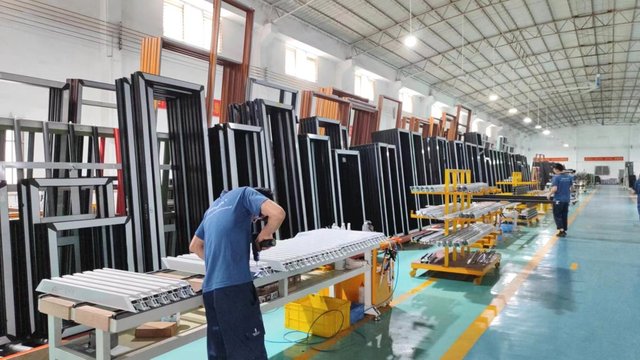
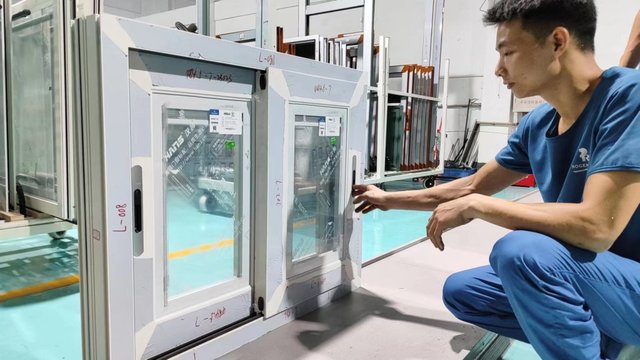
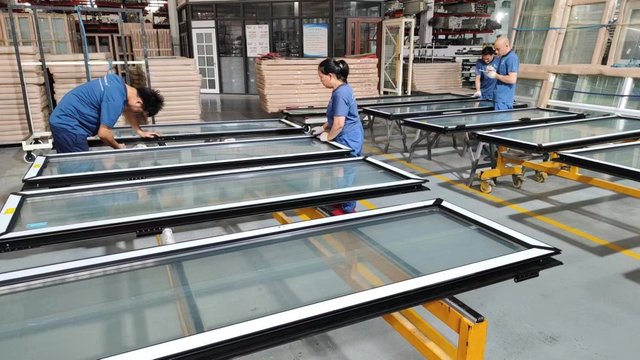
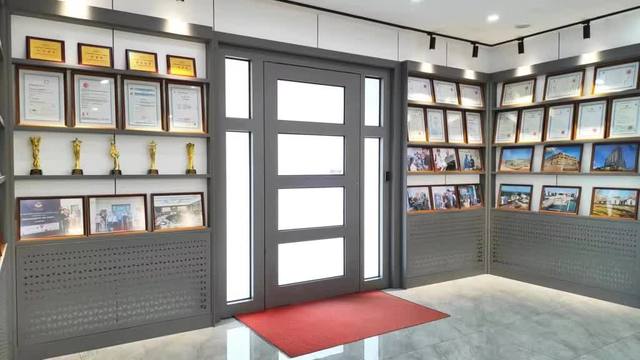
Quality is the foundation of our business. Our manufacturing facility is equipped with modern production equipment and strict quality management systems that ensure precision fabrication, structural reliability, and long-term performance. Every product undergoes rigorous testing and inspection to verify durability, weather resistance, thermal insulation, and operational efficiency.
In addition to standard product lines, Dongguan Wright Windows Co., Ltd. offers comprehensive OEM and ODM services, providing customized window solutions that support unique architectural concepts and branding requirements. Our flexible production capabilities allow us to accommodate both large-scale construction projects and specialized custom orders.
Serving customers across North America, Europe, Australia, the Middle East, Southeast Asia, and other global markets, Wright Windows is dedicated to delivering reliable window systems, competitive value, and professional service. Our mission is to become a trusted global partner for innovative, energy-efficient, and sustainable window solutions that enhance modern building performance and design.
Inside Dongguan Wright Windows Co., Ltd.: Precision CNC Machining, Automated Assembly & Quality Assurance.
Direct responses from our engineering department addressing procurement, compliance, and structural specifications.
Explore our full range of thermal-break sliding windows, soundproof casements, and smart system integrations.
 Wright Windows