The pool fencing sector is undergoing a massive transformation driven by urbanization and heightened safety regulations. With the global residential pool construction market expected to reach $4.5 billion by 2028, the demand for specialized fencing solutions is at an all-time high.
Modern manufacturers must adhere to stringent codes such as Australia's AS 1926.1, the USA's ASTM F1908, and EU's safety directives. Compliance isn't just about height; it's about the physics of self-closing mechanisms and non-climbable zones.
From Marine-grade 316 Stainless Steel to Heat-Soaked Toughened Glass, the technology behind pool fencing is evolving. New nanocoatings are reducing maintenance needs while enhancing structural integrity against salt-water corrosion.
For B2B buyers, distributors, and large-scale developers, sourcing pool fencing systems is no longer a simple transactional purchase. It involves a "Triple-V" validation: Vendor Reliability, Vertical Safety Integration, and Visual Aesthetics. Our research highlights the Top 10 manufacturers that excel in these domains, merging Dongguan Wright's manufacturing precision with global safety standards.
Choosing the right manufacturer requires understanding the technical nuances of production. Whether it's the precision of CNC-milled aluminum brackets or the thermal tempering of safety glass, the difference lies in the details. Dongguan Wright Windows Co., Ltd., as a premier manufacturer in the architectural hardware space, leverages these high-end technologies to deliver world-class solutions.
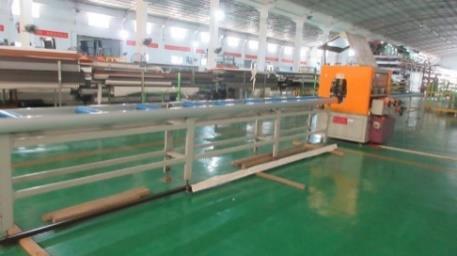
The trend towards "invisible boundaries" has made frameless glass the gold standard in modern pool design. Manufacturers are now utilizing 12mm to 15mm toughened safety glass with polished edges. The focus has shifted to the 'Spigot'—the anchoring mechanism. Leading suppliers are using Duplex 2205 stainless steel, which offers twice the strength and significantly higher corrosion resistance than standard 316 stainless steel.
For high-traffic commercial zones or budget-conscious residential developments, powder-coated aluminum remains the dominant choice. The technical roadmap here involves pre-treatment processes like chromate-free conversion coatings to ensure the powder coat doesn't flake even under intense UV exposure and chlorine contact.
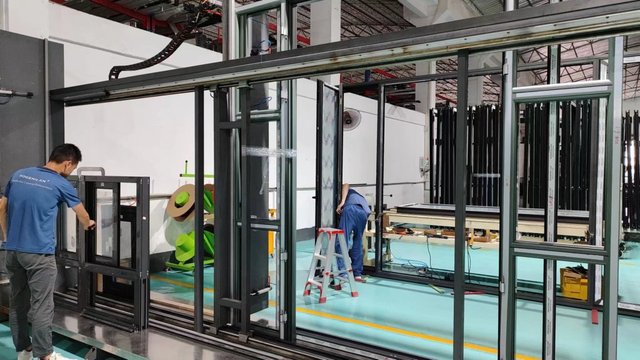
We are entering the era of "Smart Fencing." Integration of IoT sensors into gate latches provides real-time alerts to homeowners' smartphones if a gate is left ajar. Manufacturers are collaborating with tech firms to embed these features directly into the hardware, moving beyond passive protection to active monitoring.
Safety Compliance Rate
Average Material Lifespan
Countries Served Globally
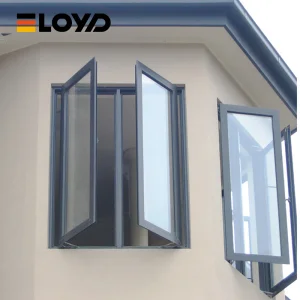
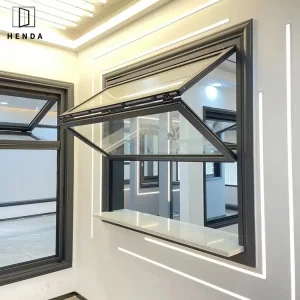
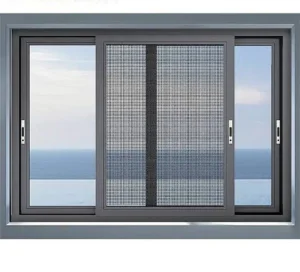
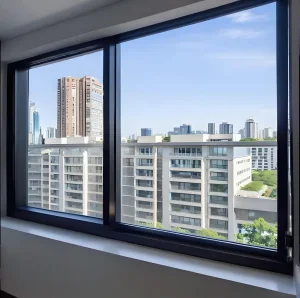
As a professional China window manufacturer, Dongguan Wright Windows Co., Ltd. specializes in high-performance aluminum and energy-efficient systems. While their core expertise lies in thermal break windows and soundproof systems, their structural engineering prowess extends naturally into the pool fencing and architectural safety barrier market.
Their comprehensive product portfolio includes aluminum systems, thermal break solutions, and customized architectural systems. Designed to meet modern building requirements, Wright Windows' products are widely used in residential communities, commercial complexes, and luxury villas worldwide.
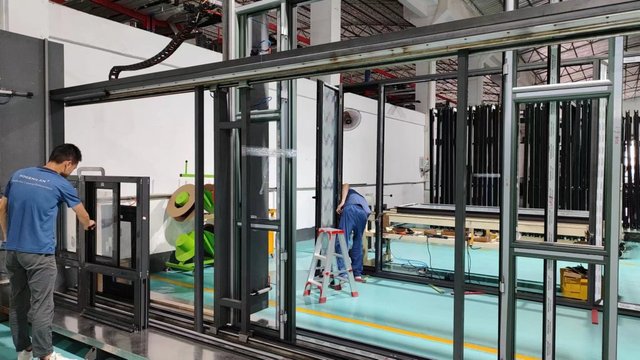
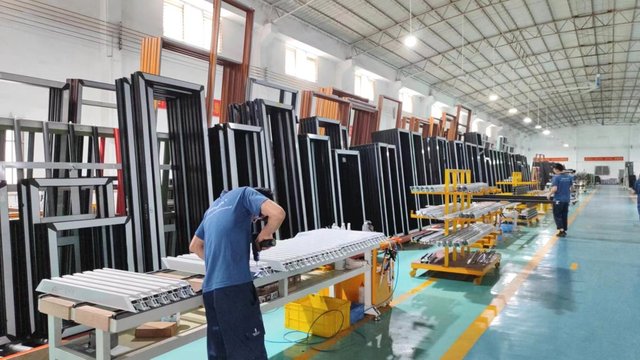
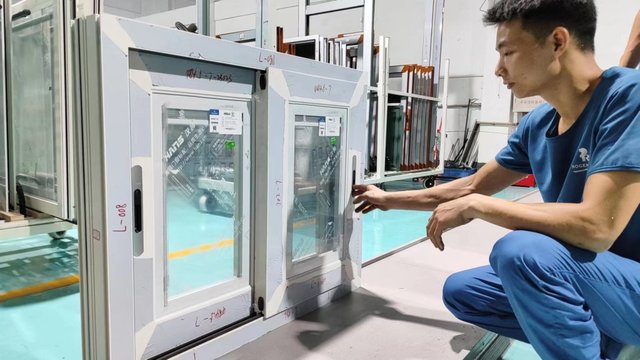
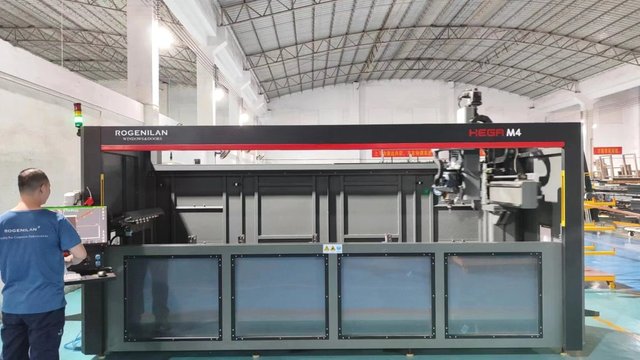
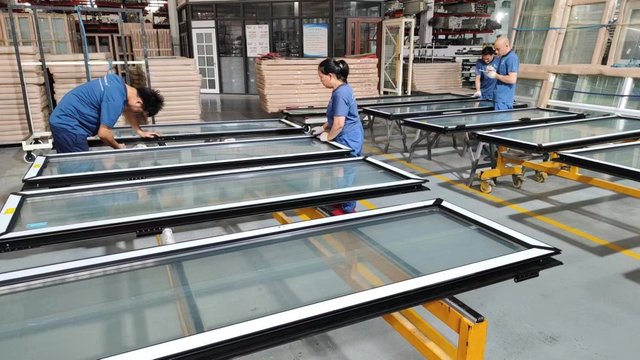
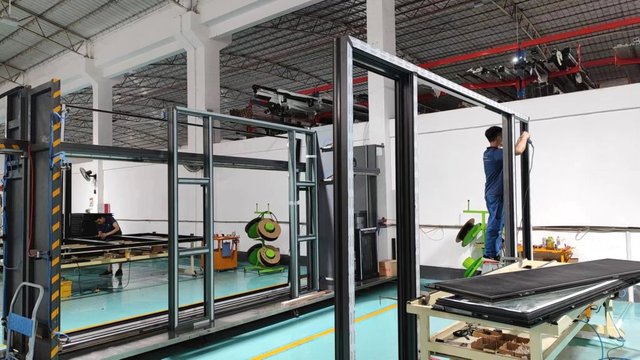
At Wright Windows, manufacturing is a blend of advanced technology and professional engineering. Their team supports customers from design consultation to material selection and final delivery. This E-E-A-T (Experience, Expertise, Authoritativeness, and Trustworthiness) approach ensures that every project meets both aesthetic and functional expectations.
Serving markets in North America, Europe, and Australia, they offer OEM and ODM services, providing customized solutions that support unique architectural concepts and branding requirements. Their mission is to be a trusted global partner for sustainable building solutions.
Global procurement requires navigating a maze of local regulations. A top-tier supplier doesn't just ship products; they provide a compliance roadmap. This includes wind load certifications for hurricane-prone areas (like Florida or Queensland) and thermal expansion calculations for desert climates (the Middle East).
Focus on gate height (minimum 48 inches) and specific latch positioning to prevent child access.
Some of the world's strictest codes, requiring non-climbable zones (NCZ) and rigid strength testing.
Emphasis on material sustainability, recyclability, and safety glass breakage patterns.
 Wright Windows