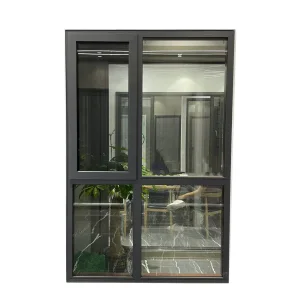
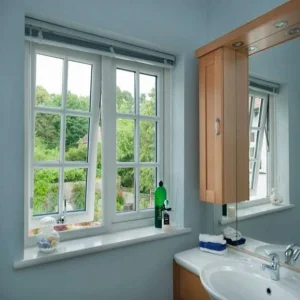
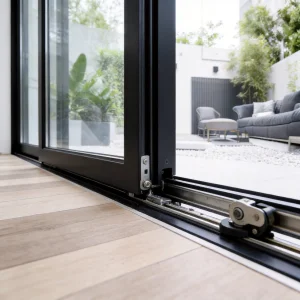
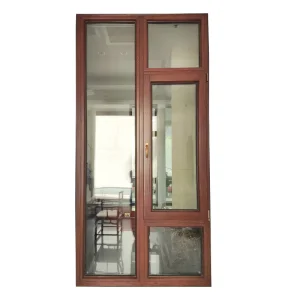
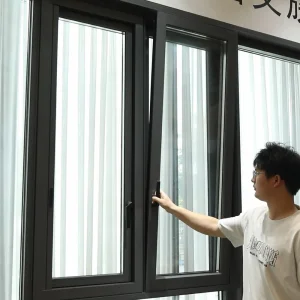
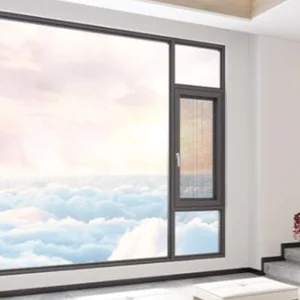
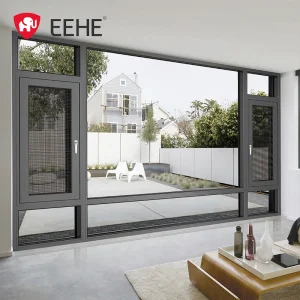
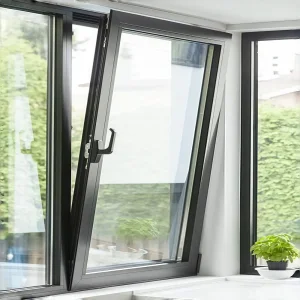
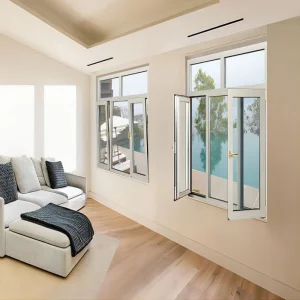
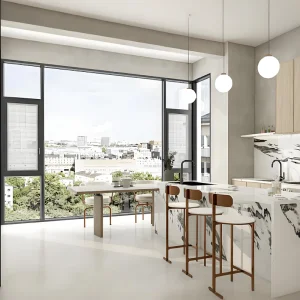
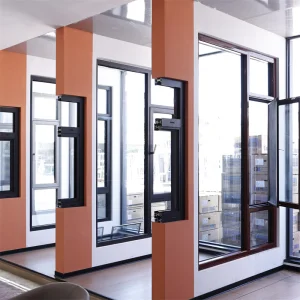
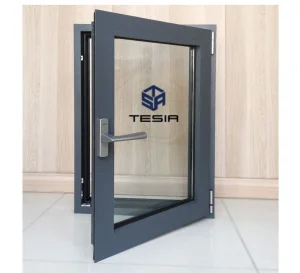
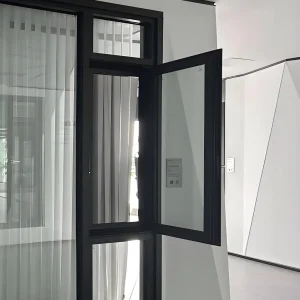
The Japanese construction industry is undergoing a significant paradigm shift. With the government's push towards ZEH (Net Zero Energy House) and ZEB (Net Zero Energy Building) standards, the demand for high-performance fenestration has skyrocketed. Tilt and Turn windows, traditionally a European staple, have found a strategic foothold in Japan's urban landscape, from the dense residential wards of Tokyo to the snowy climates of Sapporo.
Japan’s unique geographic conditions—ranging from humid subtropical climates to subarctic zones, coupled with frequent seismic activity—require windows that offer more than just aesthetics. Japanese developers and architects are increasingly sourcing from specialized Tilt and Turn Windows Factories that can provide localized technical support and products compliant with JIS (Japanese Industrial Standards).
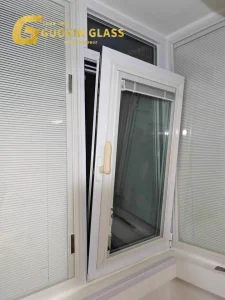
The "Tilt" function provides secure, draft-free ventilation, essential for Japan’s humid summers, while the "Turn" function allows for easy cleaning in high-rise apartments where external access is impossible. This dual-functionality is becoming a standard requirement for premium real estate developments in Minato-ku and Chuo-ku.
For Japanese building material trading companies and large-scale contractors like Taisei or Kajima, finding a reliable global supplier means balancing cost-efficiency with uncompromising quality. Manufacturers like Dongguan Wright Windows Co., Ltd. bridge this gap by offering precision-engineered aluminum and UPVC systems that rival domestic Japanese brands in performance while providing superior flexibility in custom sizing and architectural finishes.
The future of tilt and turn windows in Japan is defined by "Smart Intelligence" and "Ultra-Insulation." We are moving beyond simple double glazing into a territory where windows are active participants in building management.
Japan's Building Standards Act necessitates high wind pressure resistance. Our technical roadmap involves the integration of multi-point locking systems made from high-tensile stainless steel, ensuring the sash remains locked even under extreme structural deformation during seismic events.
Using PA66 nylon thermal strips, we achieve U-values that satisfy the stringent insulation requirements of the "Top Runner" program in Japan. This minimizes internal condensation, a common issue in traditional Japanese homes during winter.
We are currently developing IoT-enabled sensors for our tilt-and-turn series. These sensors can detect if a window is tilted or fully open, syncing with Japan's popular home automation systems (like Panasonic or Sony's smart home hubs) to optimize HVAC performance and enhance security protocols.
Dongguan Wright Windows Co., Ltd. is a professional China window manufacturer specializing in aluminum windows, UPVC windows, and energy-efficient window solutions for residential, commercial, and architectural construction projects worldwide. With a strong commitment to quality, innovation, and customer satisfaction, we provide high-performance window systems that combine durability, aesthetics, functionality, and energy-saving benefits.
Our comprehensive product portfolio includes aluminum windows, UPVC windows, thermal break windows, sliding windows, casement windows, awning windows, fixed windows, soundproof windows, and customized architectural window systems. Designed to meet modern building requirements, our products are widely used in residential communities, commercial complexes, office buildings, hotels, educational facilities, and large-scale construction developments.
At Wright Windows, we integrate advanced manufacturing technologies with professional engineering expertise to deliver window solutions tailored to diverse project specifications. Our experienced team supports customers throughout every stage of the project, from design consultation and material selection to production, quality inspection, and delivery. We work closely with architects, contractors, developers, distributors, and building material suppliers to ensure each solution meets both functional and aesthetic expectations.
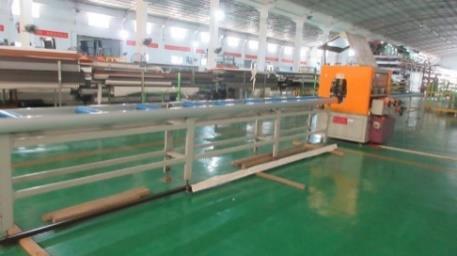
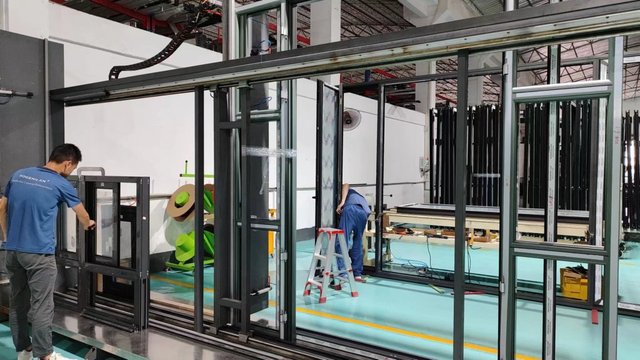
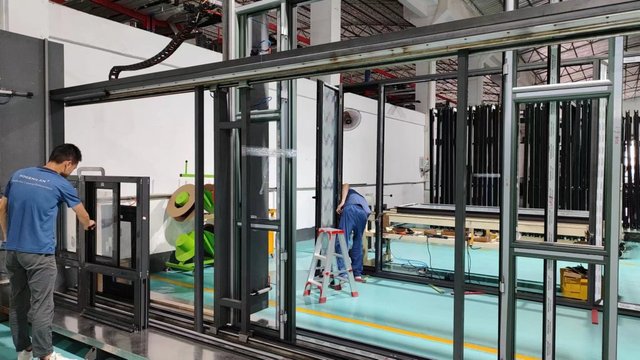
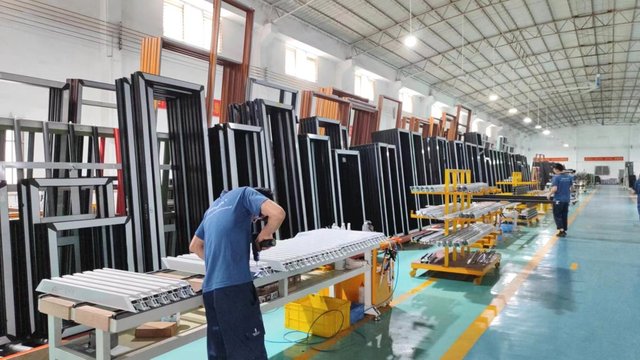
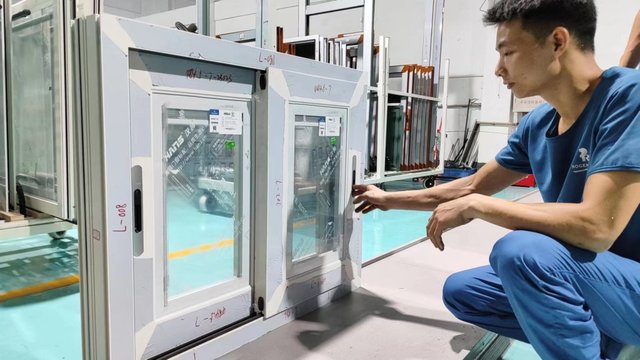
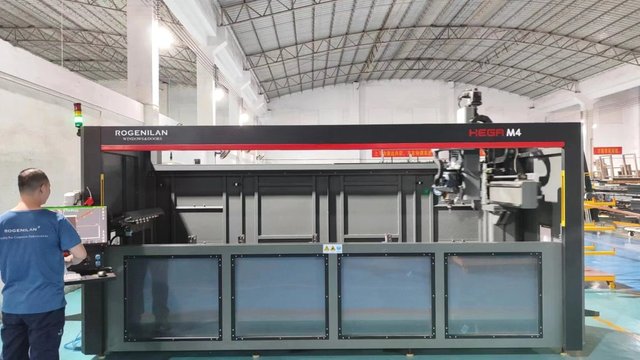
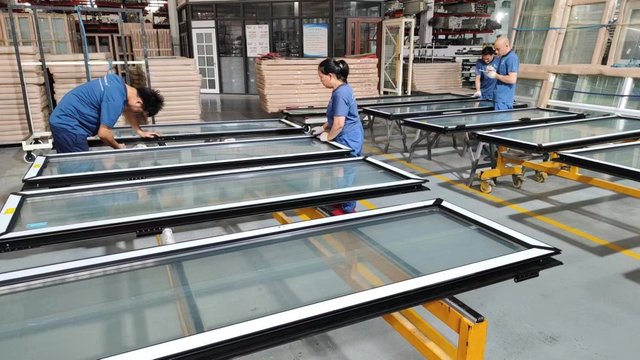
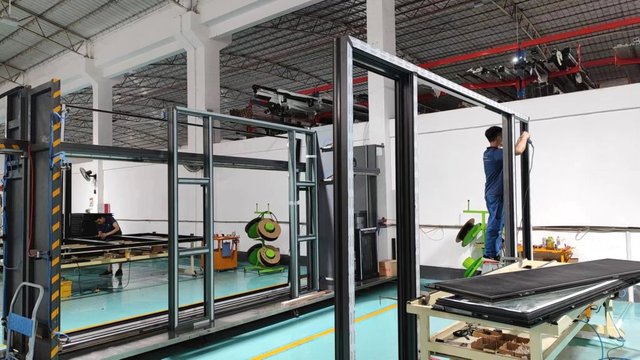
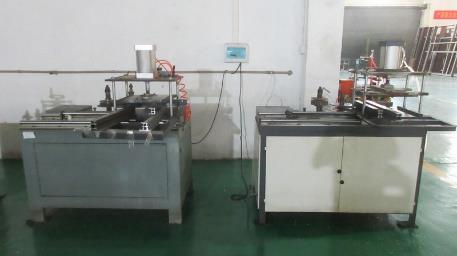
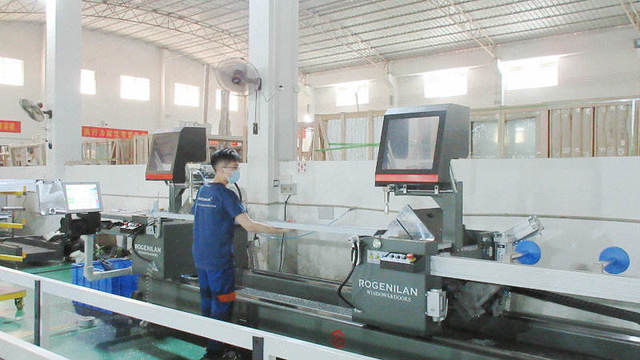
Quality is the foundation of our business. Our manufacturing facility is equipped with modern production equipment and strict quality management systems that ensure precision fabrication, structural reliability, and long-term performance. Every product undergoes rigorous testing and inspection to verify durability, weather resistance, thermal insulation, and operational efficiency.
In addition to standard product lines, Dongguan Wright Windows Co., Ltd. offers comprehensive OEM and ODM services, providing customized window solutions that support unique architectural concepts and branding requirements. Our flexible production capabilities allow us to accommodate both large-scale construction projects and specialized custom orders.
Serving customers across North America, Europe, Australia, the Middle East, Southeast Asia, and other global markets, Wright Windows is dedicated to delivering reliable window systems, competitive value, and professional service. Our mission is to become a trusted global partner for innovative, energy-efficient, and sustainable window solutions that enhance modern building performance and design.
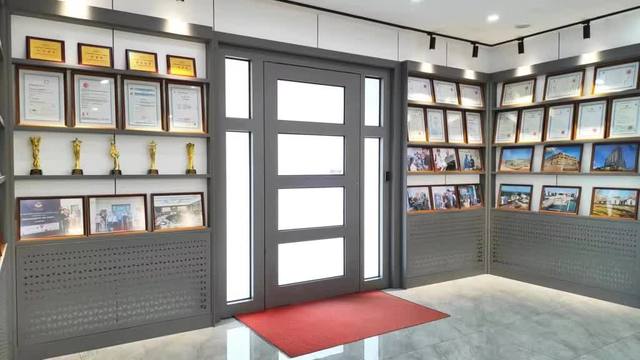
Navigating the Japanese regulatory environment requires a partner who understands the nuances of local law. Wright Windows ensures that all exports to Japan meet the following criteria:
Tilt and Turn windows provide significantly better airtightness and thermal insulation compared to traditional sliding systems (Yukimi/Hikichigai). They are safer for high-rise buildings and offer superior protection against the driving rain of typhoon seasons.
Yes, we manufacture our window systems to meet or exceed international standards, and we can provide specific test reports for wind pressure and water tightness that align with Japanese project requirements.
Absolutely. We offer a wide range of RAL powder coatings and wood-grain finishes that complement both modern minimalist Tokyo designs and traditional Machiya aesthetics.
Depending on the scale of the order, manufacturing typically takes 3-5 weeks, followed by sea freight to major ports like Yokohama, Nagoya, or Kobe.
Looking for a specific technical drawing or a bulk quote for your Japan-based project?
Send Inquiry Now Wright Windows