Specially engineered for coastal residences and humid climates in São Tomé and Príncipe
The island nation of São Tomé and Príncipe, situated along the equator in the Gulf of Guinea, experiences an aggressive tropical maritime environment characterized by high ambient humidity (often exceeding 85% year-round), high salinity, and intense solar irradiance. For architects, structural engineers, and property developers, these environmental pressures present critical challenges. Standard construction materials degrade rapidly; aluminum profiles oxidize and undergo galvanic corrosion without cost-prohibitive anodized treatments, while traditional timber suffers from expansion, warping, and fungal decay.
In response to these demands, modern high-performance UPVC (Unplasticized Polyvinyl Chloride) window systems have emerged as the premier structural solution. By utilizing advanced multi-chamber extrusion designs reinforced with internal galvanized steel cores, these systems provide exceptional resistance to physical wear, sound penetration, and thermal transfer. This report details why high-durability UPVC manufacturing is the cornerstone of sustainable infrastructure development in West Africa, detailing the technological advantages of Chinese manufacturing excellence.
An engineering comparison of structural material behaviors under severe tropical coastal stress.
Selecting fenestration systems for equatorial islands requires analyzing molecular and thermal degradation vectors. In São Tomé and Príncipe, the combinations of high chloride concentration from sea spray and constant UV radiation catalyze the failure of standard building materials.
| Performance Indicator | Standard Aluminum Profiles | Tropical Treated Hardwood | Premium UPVC Profile Systems |
|---|---|---|---|
| Saline Corrosion Resistance | Poor; prone to pitting and galvanic oxidation without C5-M grade coating. | Moderate; prone to rot from humidity and mold. | Excellent; completely inert to salt water and chemical attack. |
| Thermal Insulation (K-Value) | High thermal conductivity (~160 W/mK), requires thermal breaks. | Low thermal conductivity (~0.13 W/mK) but prone to splitting. | Extremely Low (~0.17 W/mK) with multi-chamber insulation. |
| UV Degradation Resistance | Excellent resistance, but coatings can peel under constant equatorial UV. | Poor; requires regular painting, varnishing, and sealant replacement. | High; formulated with TiO2 titanium dioxide stabilizer additives. |
| Structural Wind Load Capacity | High structural strength; susceptible to joint weakness under high wind. | Subject to warping and structural deflection over time. | Superior; reinforced with internal galvanized steel cores. |
| Lifecycle Maintenance Costs | Moderate to High (recoating, hardware corrosion replacement). | Extremely High (compulsory sanding, sealing, pest treatment). | Negligible (simple water wash, long-life stainless steel hardware). |
The UV Stabilization Factor (TiO₂ Chemistry): High-performance UPVC is not standard plastic. Modern formulations manufactured for West African climates contain elevated ratios of Rutile Titanium Dioxide (TiO₂), a highly efficient UV absorber. This chemical structure prevents photo-oxidation, preserving the structural integrity, flexural strength, and color fastness of the profiles.
Engineered for high physical load, acoustic control, and extreme environmental protection
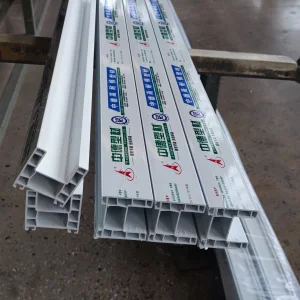
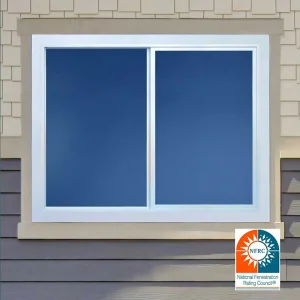
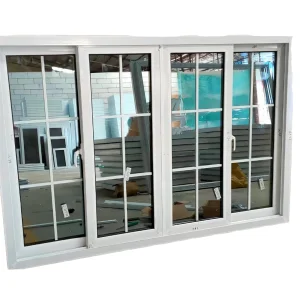
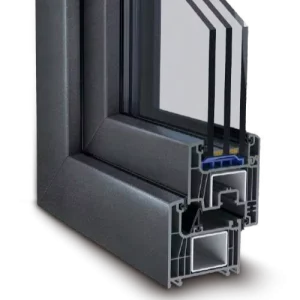
The global construction landscape is experiencing a deep transition toward eco-friendly and energy-certified building materials. Major hotel franchises, residential developers, and public infrastructure planners are setting strict carbon limits. This transition has boosted the demand for high-grade UPVC windows, which offer superior thermal ratings.
In West Africa, and specifically in developing island economies like São Tomé and Príncipe, the cost of electricity is a major driver of operational real estate expenses. Thermal loss through poorly insulated windows represents up to 40% of a building's cooling load. By installing multi-chamber, double-glazed or triple-glazed UPVC window configurations, commercial properties can reduce HVAC energy consumption by up to 30%. This makes energy-efficient UPVC window installation a primary method for reducing operational costs in modern hospitality projects.
How Dongguan Wright Windows Co., Ltd. integrates advanced automation with custom shipping logistics for West African ports.
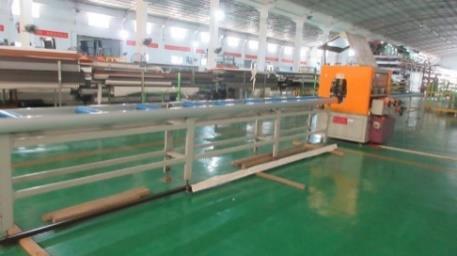
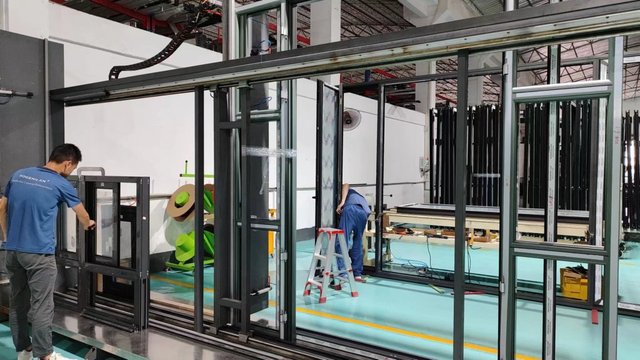
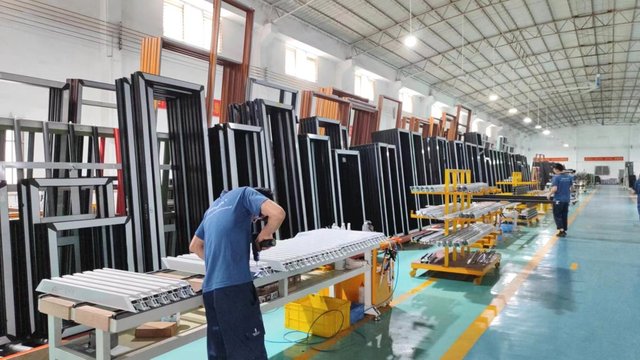
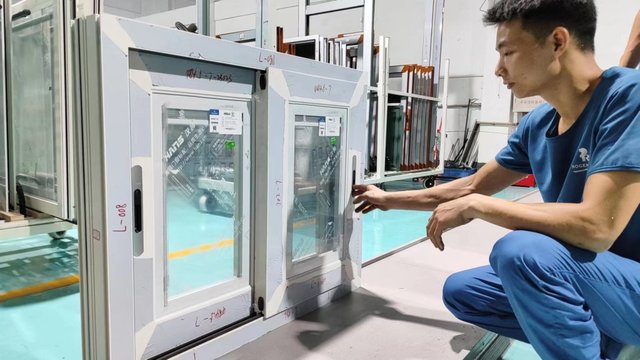
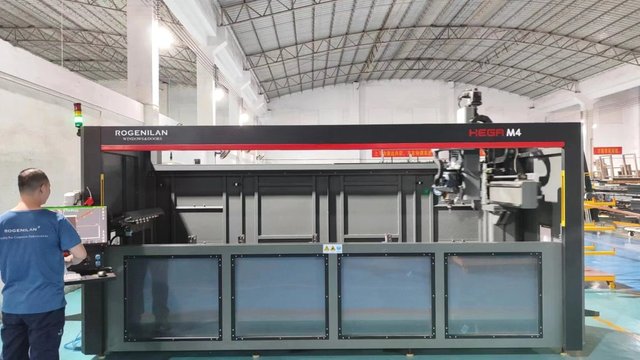
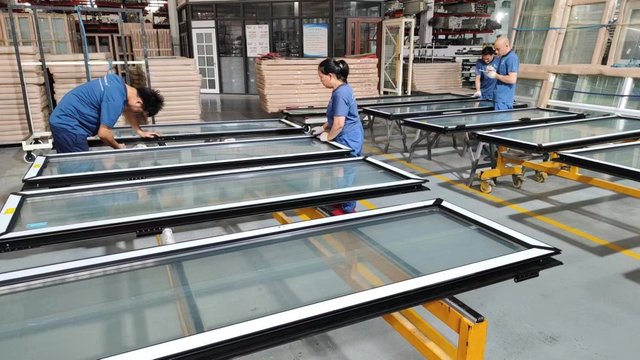
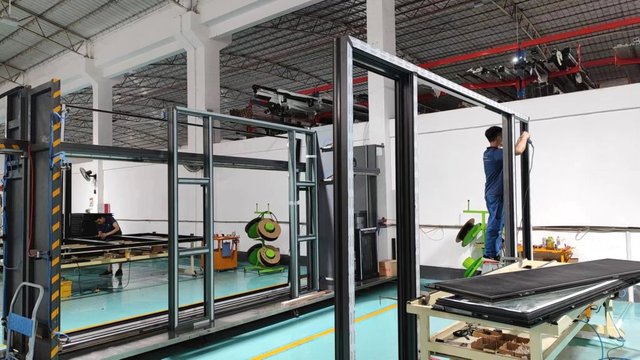
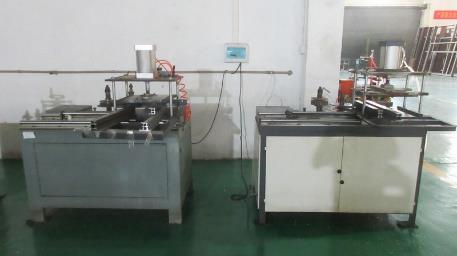
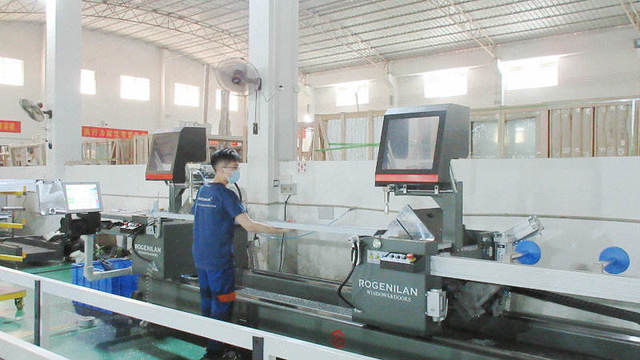
China's Smart Manufacturing (Factory 4.0) has transformed the custom window fabrication sector. By integrating CAD/CAM design systems with automated CNC profile cutting, corner welding, and glazing stations, Dongguan Wright Windows Co., Ltd. achieves high dimensional accuracy (tolerances within ±0.5mm). This precision ensures that custom wind-load reinforcements are correctly aligned, preventing air and water leaks after installation.
For projects in São Tomé and Príncipe, manufacturing precision is critical. Because replacement parts are hard to source locally, every frame, mullion, sash, and gasket must fit perfectly upon arrival. Our smart production lines use advanced quality checks at every step of manufacturing, ensuring each window conforms to global construction standards before shipment.
Targeted installations designed for specific island microclimates and regional conditions.
Properties located on the shores of Ilhéu das Rolas or Santo António face constant exposure to salt air. Conventional metal windows degrade quickly in these conditions. Our marine-grade UPVC casement windows feature multi-point locking systems and dual EPDM rubber compression seals, providing protection against ocean storms while maintaining indoor temperatures.
In urban centers like the capital city of São Tomé, road traffic and port activity cause acoustic pollution. Our multi-chamber UPVC profile systems, paired with double-glazed acoustic laminated glass, offer sound insulation up to 45dB, creating quiet indoor environments for hotels, administrative offices, and high-density apartments.
Schools, medical facilities, and government structures require high durability with minimal maintenance budgets. Installing long-life, self-extinguishing (Class B1 fire rated) UPVC sash and tilt-and-turn windows provides long-term performance without the need for periodic painting or chemical anti-termite treatments.
Browse our selection of certified UPVC systems with direct shipping options to West African ports.
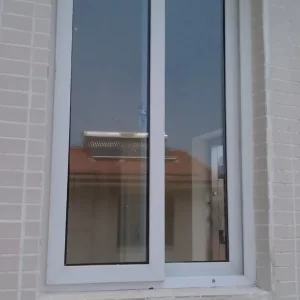
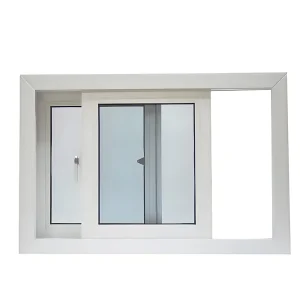
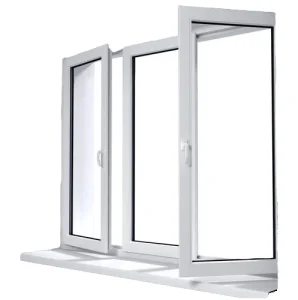
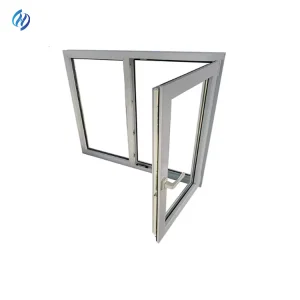
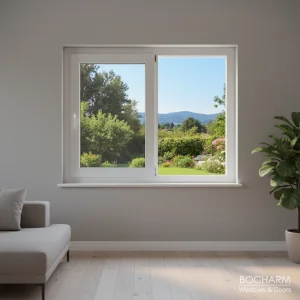
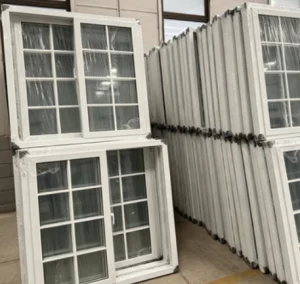
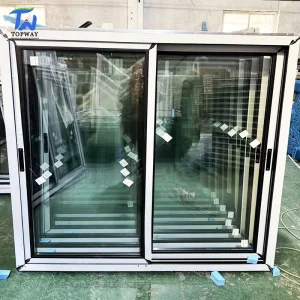
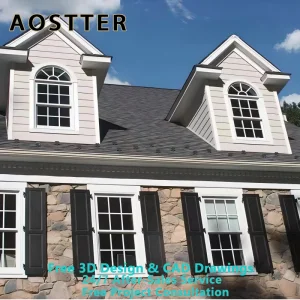
Dongguan Wright Windows Co., Ltd. is a professional China window manufacturer specializing in aluminum windows, UPVC windows, and energy-efficient window solutions for residential, commercial, and architectural construction projects worldwide. With a strong commitment to quality, innovation, and customer satisfaction, we provide high-performance window systems that combine durability, aesthetics, functionality, and energy-saving benefits.
Our comprehensive product portfolio includes aluminum windows, UPVC windows, thermal break windows, sliding windows, casement windows, awning windows, fixed windows, soundproof windows, and customized architectural window systems. Designed to meet modern building requirements, our products are widely used in residential communities, commercial complexes, office buildings, hotels, educational facilities, and large-scale construction developments.
At Wright Windows, we integrate advanced manufacturing technologies with professional engineering expertise to deliver window solutions tailored to diverse project specifications. Our experienced team supports customers throughout every stage of the project, from design consultation and material selection to production, quality inspection, and delivery. We work closely with architects, contractors, developers, distributors, and building material suppliers to ensure each solution meets both functional and aesthetic expectations.
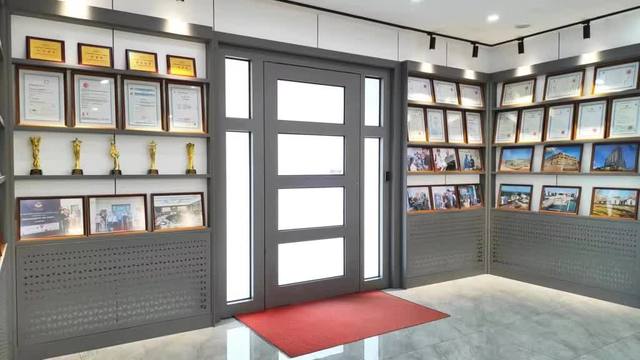
Quality is the foundation of our business. Our manufacturing facility is equipped with modern production equipment and strict quality management systems that ensure precision fabrication, structural reliability, and long-term performance. Every product undergoes rigorous testing and inspection to verify durability, weather resistance, thermal insulation, and operational efficiency.
In addition to standard product lines, Dongguan Wright Windows Co., Ltd. offers comprehensive OEM and ODM services, providing customized window solutions that support unique architectural concepts and branding requirements. Our flexible production capabilities allow us to accommodate both large-scale construction projects and specialized custom orders.
Serving customers across North America, Europe, Australia, the Middle East, Southeast Asia, and other global markets, Wright Windows is dedicated to delivering reliable window systems, competitive value, and professional service. Our mission is to become a trusted global partner for innovative, energy-efficient, and sustainable window solutions that enhance modern building performance and design.
✓ Direct export and custom shipping to São Tomé Port.
✓ Custom tropical-grade UPVC profile formulation.
✓ Stainless steel grade 316 (marine-grade) hardware options.
✓ Dedicated logistics, protective packaging, and on-time delivery.
Technical answers to common procurement questions from developers, engineers, and building contractors.
Unplasticized Polyvinyl Chloride (UPVC) is chemically inert. Unlike aluminum, which is prone to galvanic oxidation and pitting when exposed to airborne chlorides, UPVC cannot corrode or rust. Our profiles are engineered using high-quality polymers stabilized with Rutile Titanium Dioxide (TiO₂). This formulation prevents polymer degradation, cracking, or yellowing under intense equatorial UV radiation and constant maritime humidity.
Under severe tropical marine conditions, our premium UPVC window systems have a design life exceeding 35 years. Because the color is integrated directly into the profile material, the windows do not require painting, sanding, or varnishing. Maintenance is simple, requiring only occasional cleanings with soapy water and annual lubrication of the moving hardware joints.
Yes. We design and manufacture our windows to conform to major international building regulations, including European CE standards (EN 14351-1) and American AAMA/WDMA protocols. Our products are tested for air tightness, water tightness, wind load resistance, and overall structural performance, making them suitable for commercial and government projects.
UPVC has a low natural thermal conductivity (~0.17 W/mK) compared to aluminum (~160 W/mK). Our multi-chamber profiles act as insulated air pockets, restricting heat transfer from the outside into air-conditioned interior spaces. This reduces energy consumption for air conditioning, lowering electricity costs in tropical coastal climates.
Our standard manufacturing lead time is 25 to 35 days, depending on project volume and customization needs. Shipping from the Port of Shenzhen to the Port of São Tomé takes approximately 40 to 50 days, depending on the carrier and transshipment schedules. We use reinforced wooden crates and protective corner wraps to protect all products during sea transit.
We offer full customization options, including dual-color profiles (different interior/exterior finishes), laminated safety glass, Low-E thermal coatings, and gas-filled double/triple glazing. For security, we offer internal galvanized steel reinforcement cores, heavy-duty multi-point locking mechanisms, and integrated mosquito screens.
Yes, we provide detailed technical drawings, section details, and step-by-step video installation guides. For large commercial projects in São Tomé and Príncipe, our engineering team can provide remote video support to assist local contractors with structural mounting, sealing, and hardware calibration.
 Wright Windows